Get your free personalized podcast brief
We scan new podcasts and send you the top 5 insights daily.
Despite predictions that conversational bots, voice, or CLI tools will replace graphical user interfaces, Miller argues diverse cognitive styles ensure multi-modal UIs will remain essential. Some users think visually, while others prefer text. In workflows like corporate booking, clicking a single button or checkbox remains faster and less intrusive than conversational prompts, meaning AI agents will complement rather than eradicate traditional interfaces.

Related Insights
The dominant AI interface will be a universal conversational layer (chat/voice) for any task. This will be supplemented by specialized graphical UIs for power users needing deep functional control, much like an executive sometimes needs to edit a document directly instead of dictating to an assistant.

While CLIs were an important stepping stone for agentic AI, the industry is rapidly moving back to rich Graphical User Interfaces (GUIs). These new UIs are designed for simultaneous collaboration between a human user and an AI agent, offering a more powerful and intuitive experience.

Current chat interfaces are compared to the command-line: they require users to learn a specific, procedural way of communicating ('prompt engineering'). New interaction models, which allow for natural, multimodal communication, could be AI's 'GUI moment,' democratizing access by letting users focus on the task, not the tool.

Power users of AI agents believe the ideal user interface is not graphical but conversational. They prefer text-based interactions within existing chat apps and see voice as the ultimate endgame. The goal is an invisible assistant that operates autonomously and only prompts for input when absolutely necessary, making traditional UIs feel like friction.
The true evolution of voice AI is not just adding voice commands to screen-based interfaces. It's about building agents so trustworthy they eliminate the need for screens for many tasks. This shift from hybrid voice/screen interaction to a screenless future is the next major leap in user modality.

The belief that chat is the ultimate UI is a projection from high-agency builders like Sam Altman and Elon Musk. Most consumers aren't looking to save time but to spend it. They prefer browse-based interfaces for discovery and entertainment, not command-line efficiency, which represents a major builder bias.
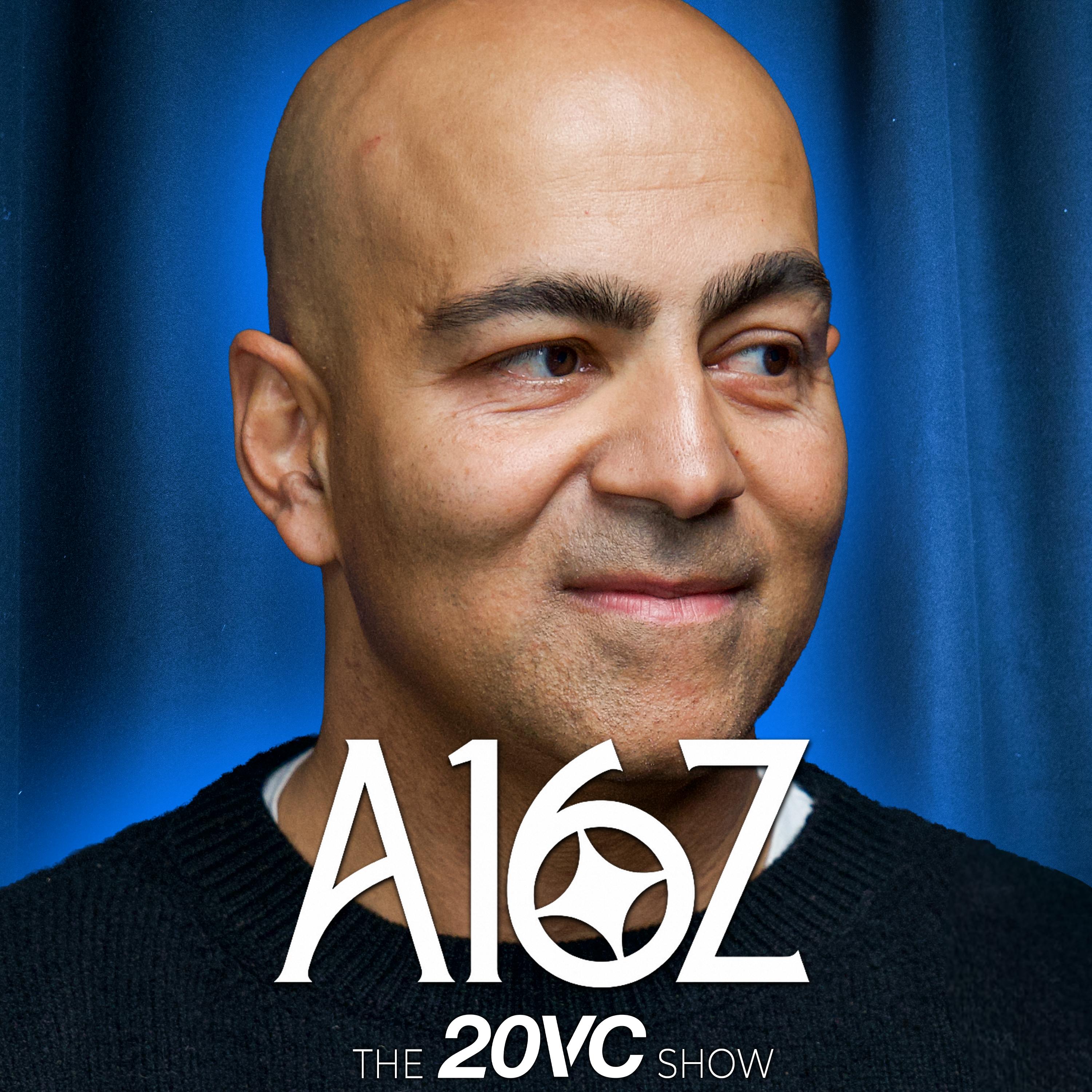
Power users are discovering that direct, conversational interaction with AI agents is more efficient than clicking through graphical user interfaces (GUIs). This signals a shift toward an 'app-less' world where tasks are accomplished via chat, potentially making traditional UI/UX design roles redundant for many applications.

Comparing chat interfaces to the MS-DOS command line, Atlassian's Sharif Mansour argues that while chat is a universal entry point for AI, it's the worst interface for specialized tasks. The future lies in verticalized applications with dedicated UIs built on top of conversational AI, just as apps were built on DOS.

AI isn't eliminating graphical interfaces but rather adding a conversational layer on top. Users prefer to delegate tasks and ask questions via conversation, which is more efficient than navigating menus or searching dashboards. However, traditional UIs remain essential for data exploration, visualization, and complex workflows.

Contrary to predictions that voice will make keyboards obsolete, it will function as an additional, not replacement, interface. Just as touchscreens didn't eliminate physical buttons, voice will become another expected modality for interacting with devices, enabling more passive computing experiences.