Get your free personalized podcast brief
We scan new podcasts and send you the top 5 insights daily.
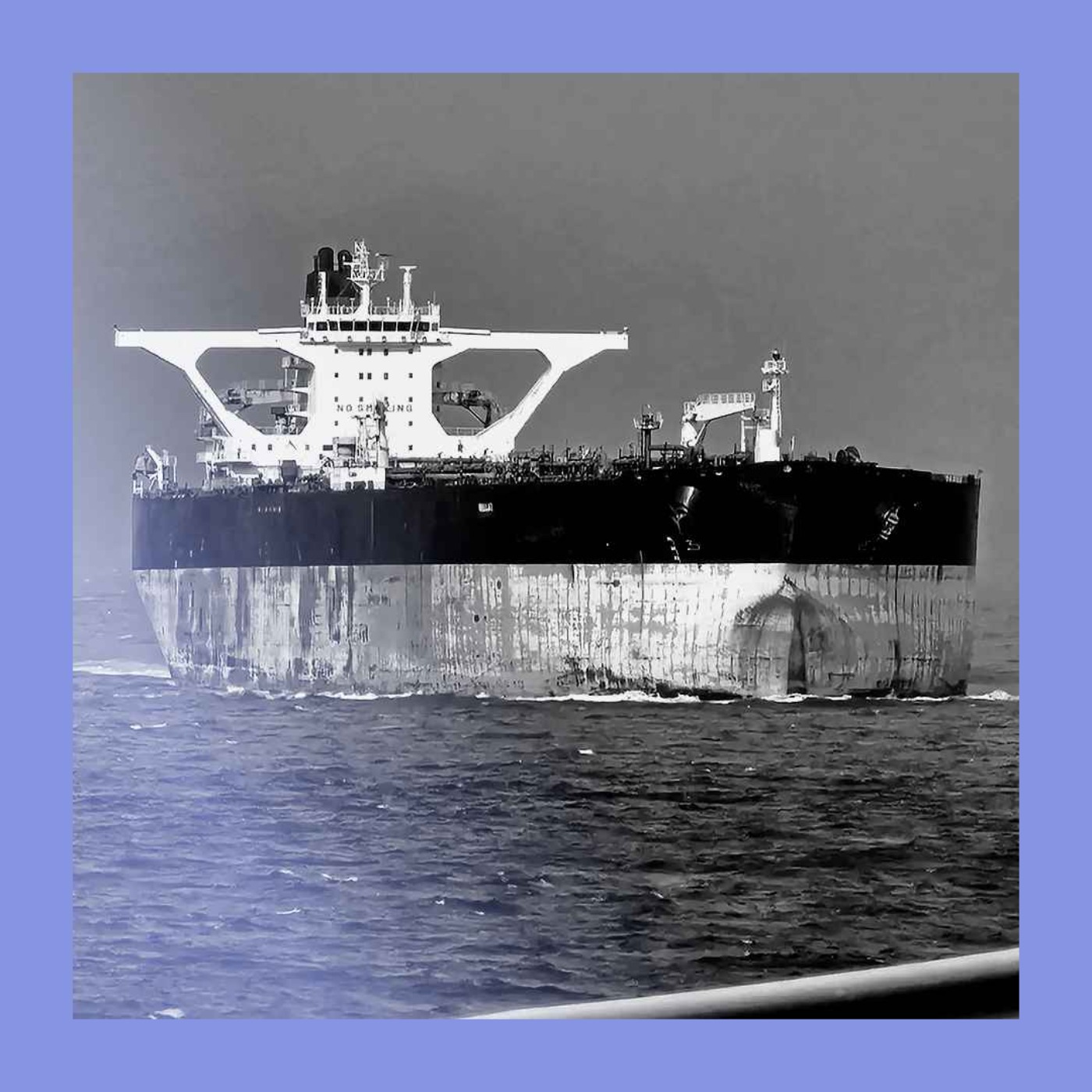
US sanctions do not automatically grant the right to seize ships on the high seas. The legal basis for capturing the "Bella One" tanker stemmed from its status as a "stateless" vessel under international maritime law, after it flew a false flag and attempted an illegal mid-voyage flag change.
Related Insights
Modern global conflict is primarily economic, not kinetic. Nations now engage in strategic warfare through currency debasement, asset seizures, and manipulating capital flows. The objective is to inflict maximum financial damage on adversaries, making economic policy a primary weapon of war.

Sanctions on major Russian oil companies don't halt exports but instead push them into opaque channels. Russia uses independent traders and restructured ownership to create "unknown" cargos, removing sanctioned company names from documents. This model, proven with smaller firms, maintains export volumes while obscuring the oil's origin.

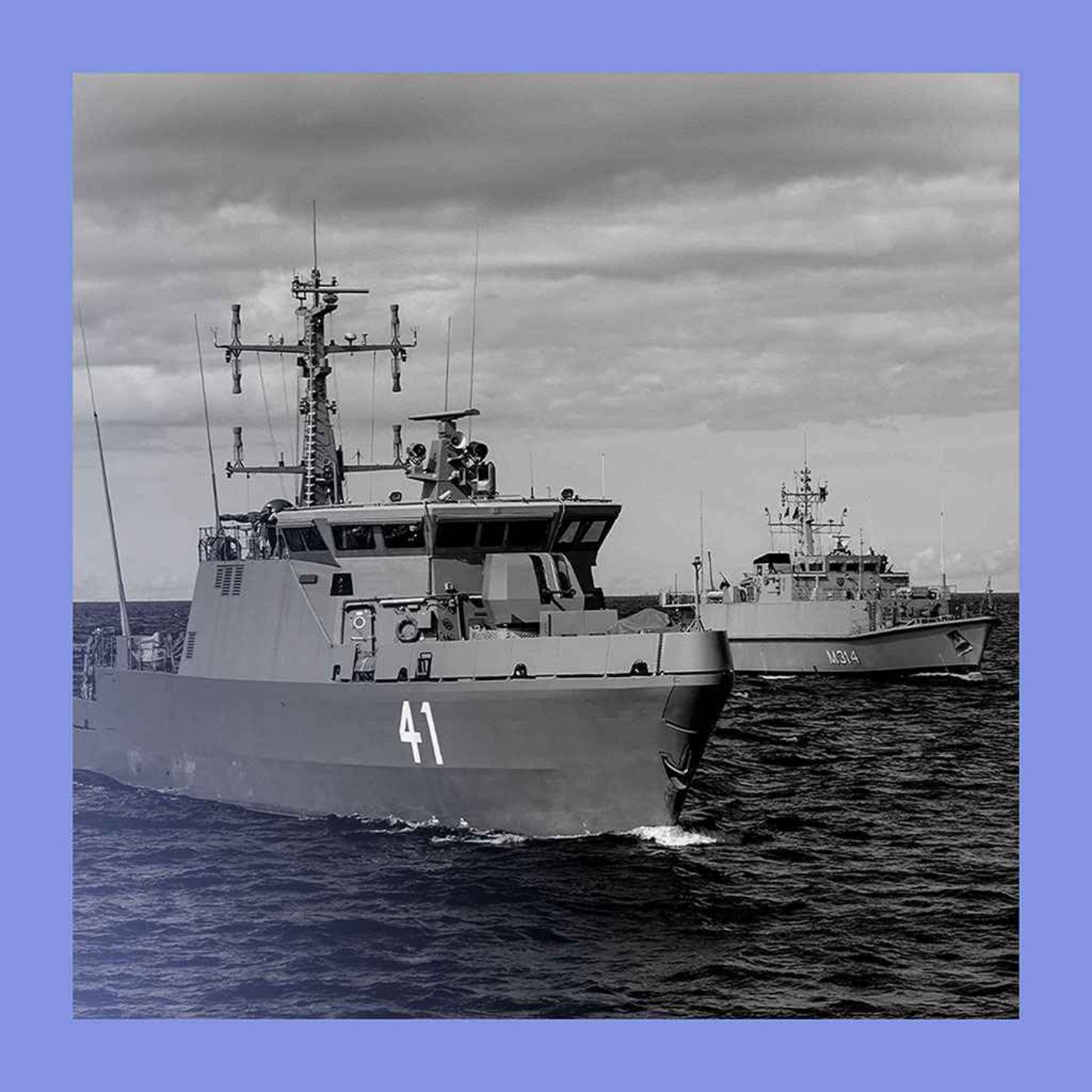
Nations like Russia and Iran utilize a "shadow fleet" of tankers to bypass international sanctions. These ships engage in clandestine activities, such as broadcasting false location data ("spoofing") and making illegal flag changes, forming what one official called a "Russian-Iranian axis of sanctions evasion."
The core vulnerability enabling shadow fleets is the international "flag state" system. Opportunists create fake online registries for non-existent or uninhabited territories, such as a rock in the Pacific, allowing vessels to operate with impunity in international waters.
Russia has dramatically shifted its oil trade away from the U.S. dollar, with only 5% of exports now settled in USD, down from 55% in 2022. While this circumvents direct financial sanctions, Russia remains vulnerable as key logistics like freight and insurance are still dollar-linked, increasing costs and complexity.
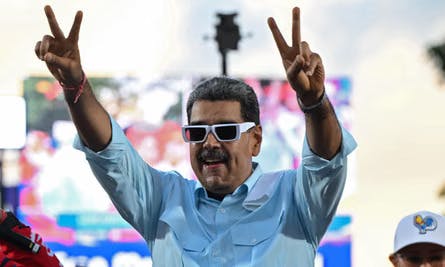
The US has established a precedent of using military force to apprehend fugitives abroad based on domestic legal actions, as seen with Noriega in 1989 and Maduro now. This practice blurs the line between law enforcement and an act of war, creating a thin legal justification for military intervention without traditional congressional or international approval.
The primary impact of U.S. sanctions on Russian oil is not a reduction in supply but a compression of profit margins. Russia is forced to offer deeper discounts, estimated at $3-$5 per barrel below pre-sanction levels, to compensate buyers for increased logistical and financial risks, ensuring export flows remain stable.
Illicit maritime operations are increasingly run by opportunistic, international middlemen serving multiple clients, not just Russia or China. This for-profit model, motivated by money rather than ideology, complicates attribution and enforcement efforts by Western governments.
A president can legally initiate military actions like a blockade without congressional approval by first designating the target regime as a 'Foreign Terrorist Organization.' This provides a separate legal playbook and set of executive powers, circumventing the formal declaration of war process.
The Trump administration's intervention in Venezuela is overtly focused on securing oil to lower global prices, rather than promoting human rights. The plan involves seizing and selling Venezuelan oil with the president personally controlling the proceeds in what critics are calling "high tech piracy."