Get your free personalized podcast brief
We scan new podcasts and send you the top 5 insights daily.
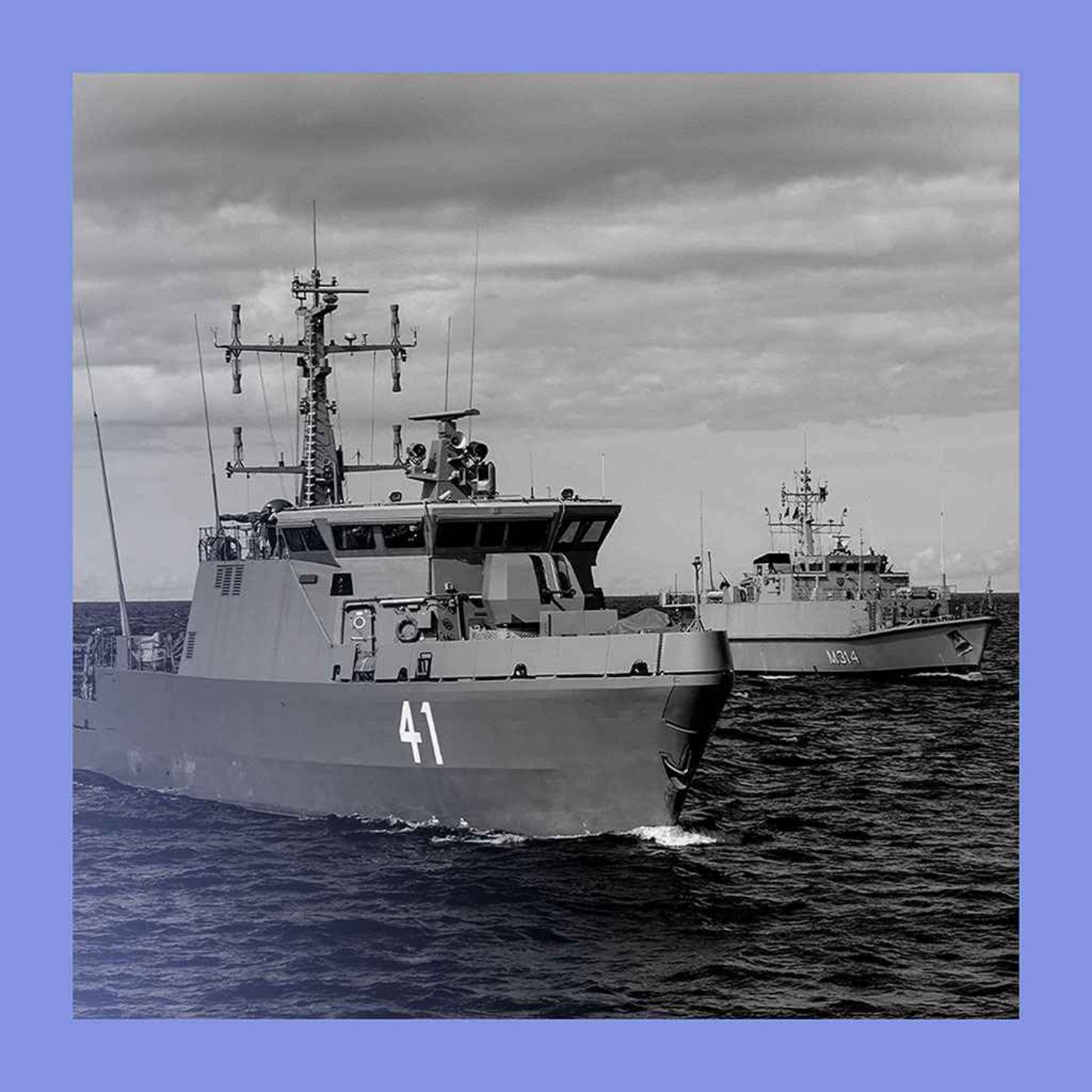
The core vulnerability enabling shadow fleets is the international "flag state" system. Opportunists create fake online registries for non-existent or uninhabited territories, such as a rock in the Pacific, allowing vessels to operate with impunity in international waters.
Related Insights
Sanctions on major Russian oil companies don't halt exports but instead push them into opaque channels. Russia uses independent traders and restructured ownership to create "unknown" cargos, removing sanctioned company names from documents. This model, proven with smaller firms, maintains export volumes while obscuring the oil's origin.

A novel form of organized crime involves gangs buying small, established freight forwarding businesses. They leverage the company's legitimate reputation to take possession of high-value shipping containers, steal the goods, and then promptly shut down the business and disappear, making the crime nearly untraceable.

Waving a national flag is a direct political act with serious risks in authoritarian countries. Activists are instead using pop culture symbols, like the pirate flag from the anime 'One Piece', to protest. This makes their message more ambiguous, providing a layer of plausible deniability to dodge censorship and reduce personal risk.
The Maduro regime is not just a corrupt petrostate; it is a diversified criminal enterprise. It has expanded into drug trafficking, gold smuggling, and human trafficking, turning Venezuela into a safe haven for global criminal networks, terrorist groups, and adversaries like Russia and Iran.

Beyond headline-grabbing scandals, the most insidious impact of a kleptocratic administration is its refusal to enforce existing laws, from financial regulations to anti-corruption acts. This quiet dismantling of the legal framework fosters a culture of impunity where bad actors thrive, ultimately harming ordinary people and destabilizing the entire system.

Illicit maritime operations are increasingly run by opportunistic, international middlemen serving multiple clients, not just Russia or China. This for-profit model, motivated by money rather than ideology, complicates attribution and enforcement efforts by Western governments.
To avoid property taxes on empty buildings, landlords lease them to shell companies that set up sham mollusk farms. When local authorities challenge the tax exemption, the shell company declares insolvency, making the tax debt uncollectible and leaving the landlord unaccountable for the liability.
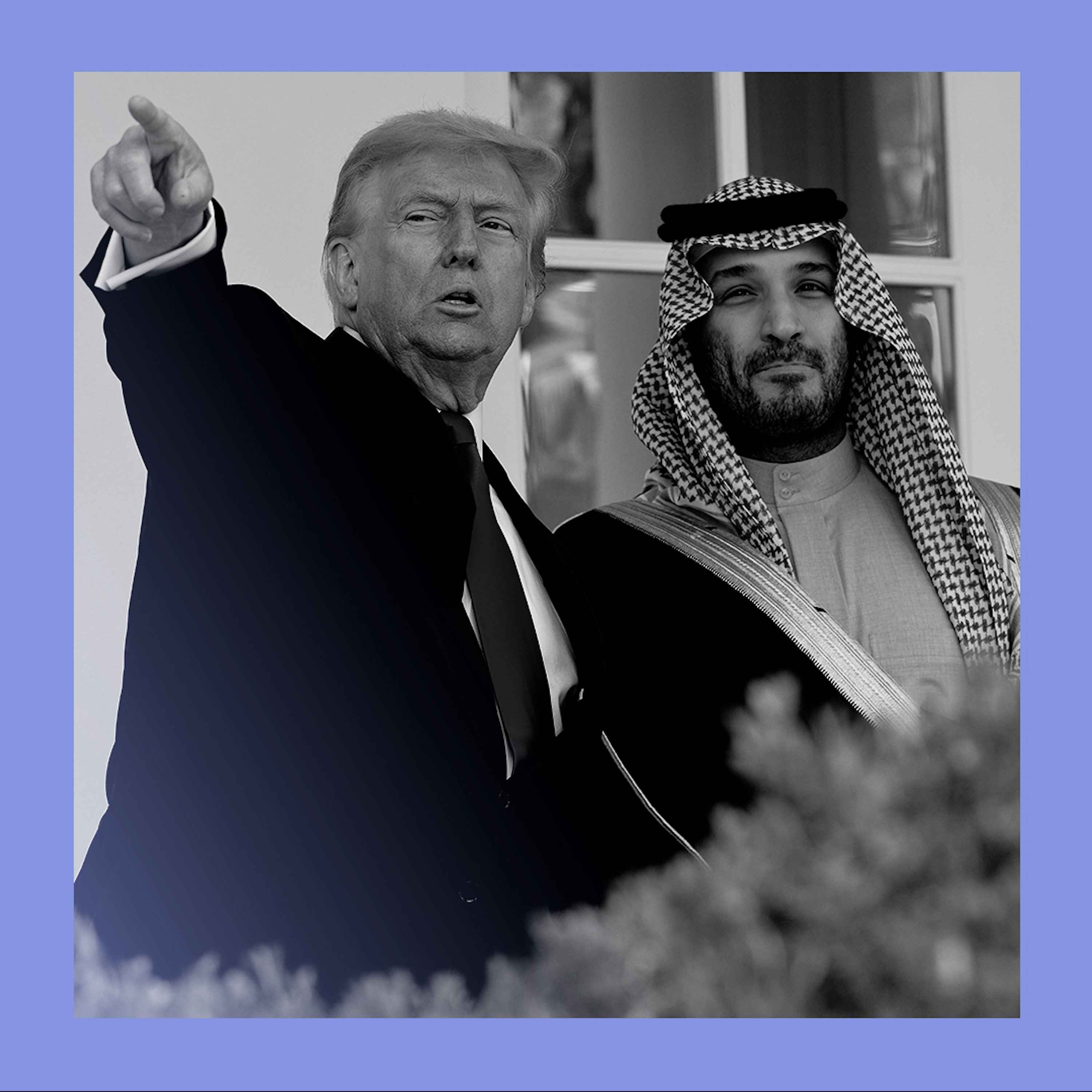
A president can legally initiate military actions like a blockade without congressional approval by first designating the target regime as a 'Foreign Terrorist Organization.' This provides a separate legal playbook and set of executive powers, circumventing the formal declaration of war process.
Online fraud has evolved into a massive shadow economy. The global scam industry is estimated to steal approximately $500 billion from victims worldwide each year, a figure that dwarfs many legitimate industries and highlights the significant, and often underestimated, economic threat posed by digital fraudsters.

A major unintended consequence of high tariffs is a surge in customs fraud, where companies misdeclare goods' value to slash duty payments. The U.S. is uniquely vulnerable as it allows foreign firms to import without a legal or physical presence, creating a significant enforcement challenge.