Get your free personalized podcast brief
We scan new podcasts and send you the top 5 insights daily.
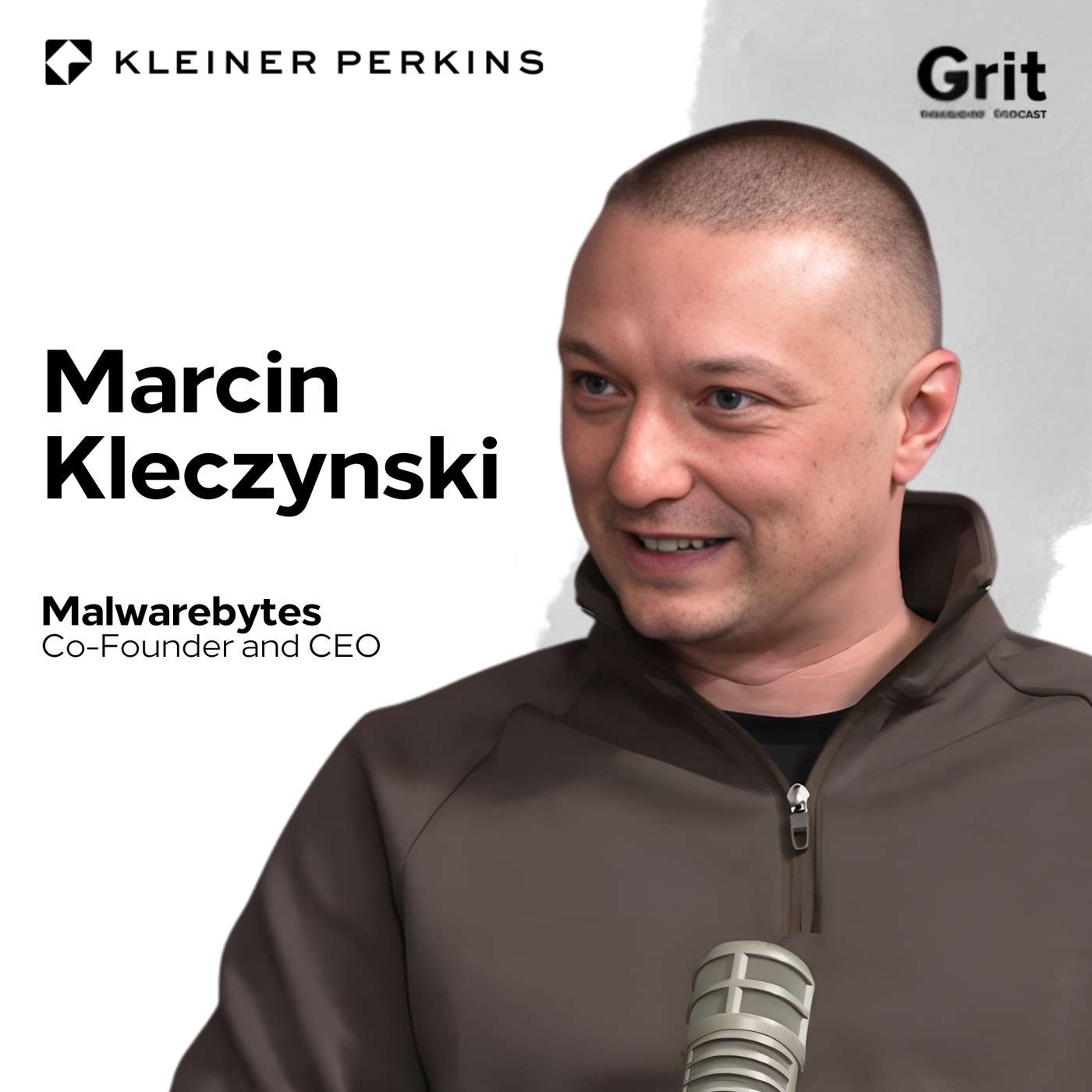
To last 18+ years as CEO, Marcin Kleczynski had to "settle in." He stopped pulling all-nighters, realizing that a few hours of sleep allowed him to solve complex problems in minutes that he had fruitlessly struggled with for hours while exhausted.
Related Insights
For cognitive and creative pursuits, scheduled rest and renewal are not optional indulgences. They are critical for insight, creativity, and sustained performance. Activities like walking actively improve creative output.

To maintain performance over the long term, Canva's CEO deliberately creates strict boundaries between work and life. By removing email from her phone, she can be "all in" when working at her laptop and "all out" when she's not, allowing for true mental separation and recovery.

Hustle culture falsely equates exhaustion with progress. In reality, a founder's ability to regulate their nervous system through intentional rest is their most important asset. It's the foundation of creativity and long-term sustainability. Entrepreneurs with strong boundaries will outlast those who run on adrenaline and caffeine.

Founders often equate constant hustle with progress, saying yes to every opportunity. This leads to burnout. The critical mindset shift is recognizing that every professional "yes" is an implicit "no" to personal life. True success can mean choosing less income to regain time, a decision that can change a business's trajectory.
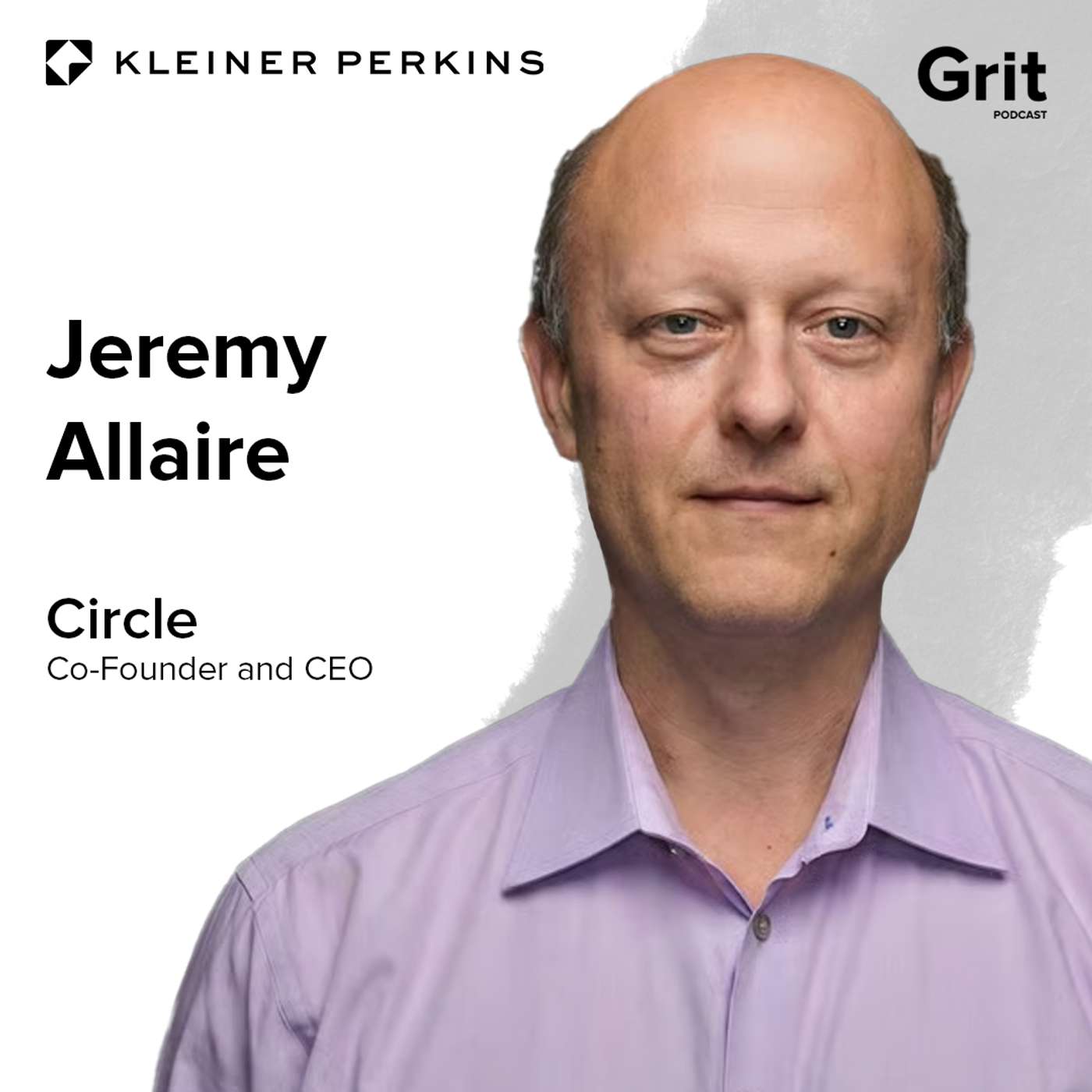
The immense pressure of building Circle took a physical toll on Jeremy Allaire. He responded by systematically improving his health—fitness, sleep, diet, mindfulness, and sobriety. He views peak personal wellness not as a luxury but as a necessary tool to absorb complexity and lead effectively.
In an era defined by notifications and multitasking, a founder's ability to block out all distractions for extended periods is a profound competitive advantage. This deep, rigorous focus allows them to solve complex problems at a level that is increasingly rare and valuable.
Rather than trying to be the top-ranked student by matching the 8-hour study days of her peers, Arista's CEO focused on a "rich ROI." By studying 3-4 hours to achieve top 10% results, she demonstrated an early instinct for optimizing effort for significant returns, rather than maximizing input for marginal gains. She calls this "playing the long game."

Biohacker Bryan Johnson directly challenges the "grind culture" belief that founders must sacrifice health and sleep for success. He argues this is a false narrative, stating that prioritizing high-quality sleep will make an individual a more effective leader, parent, and partner.

Daniel Ek argues the obsession with time management (e.g., 15-minute meetings, waking at 4 AM) is misguided. The key to high performance is managing your energy—identifying what drains and energizes you and structuring your day accordingly, defying conventional productivity advice.

High-achievers often avoid rest because of a deep-seated fear that taking their "foot off the gas" will cause their business and life to fall apart. This isn't just about missing opportunities; it's a fear of total failure. Overcoming this requires building trust through small, safe experiments in slowing down, proving that the business can survive without constant, high-intensity effort.