Get your free personalized podcast brief
We scan new podcasts and send you the top 5 insights daily.
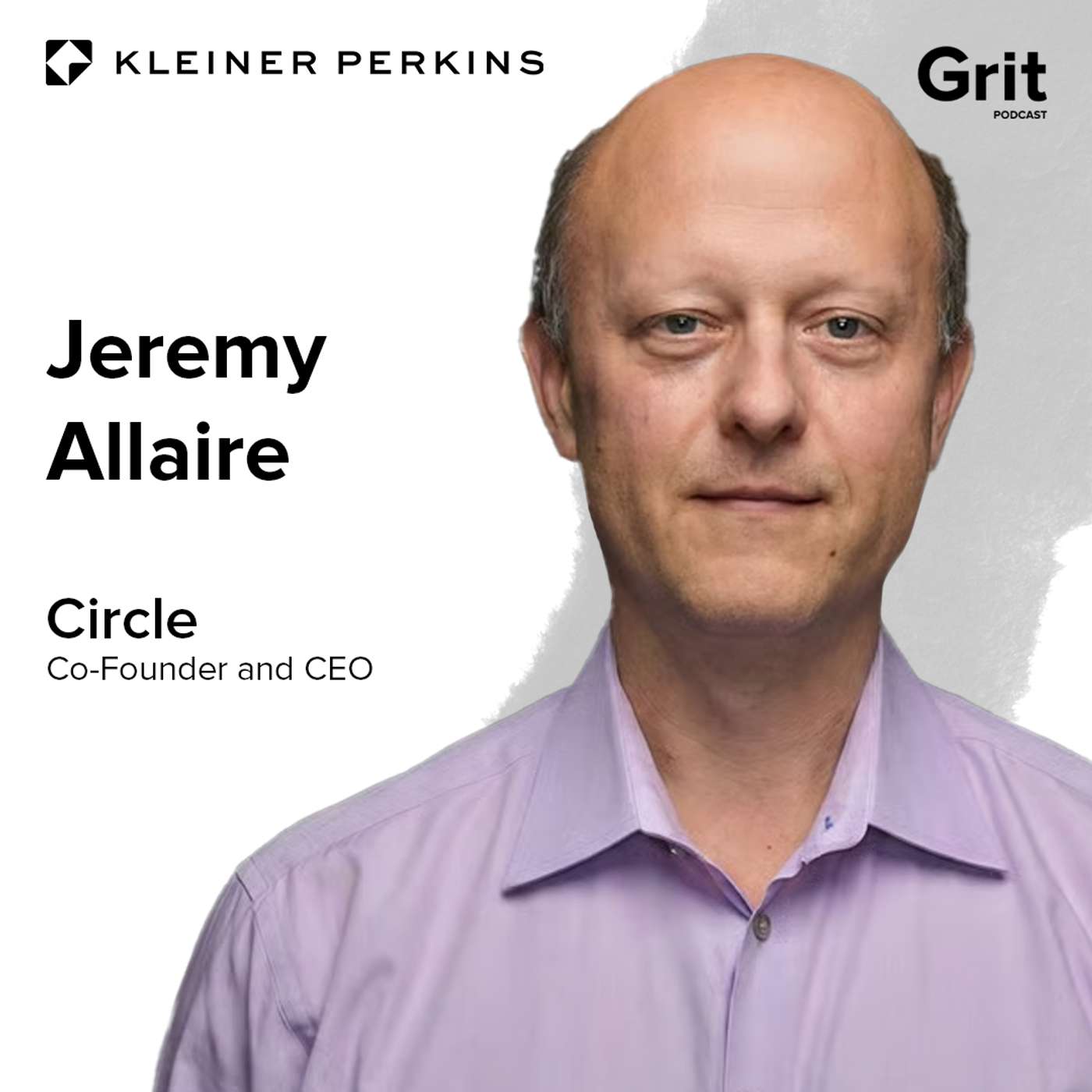
The immense pressure of building Circle took a physical toll on Jeremy Allaire. He responded by systematically improving his health—fitness, sleep, diet, mindfulness, and sobriety. He views peak personal wellness not as a luxury but as a necessary tool to absorb complexity and lead effectively.
Related Insights
Top founders don't simply "tough it out" or present a stoic front. They actively manage the immense stress of their role through practices like therapy and setting boundaries. Suppressing emotions leads to burnout, whereas processing them leads to resilience and better decision-making for the entire team.

Leaders often sacrifice their health to set their team up for success. However, this leaves them physically and mentally depleted right when the team needs an active, focused leader. Taking care of yourself is not selfish; it's a prerequisite for sustained, effective leadership.
Hustle culture falsely equates exhaustion with progress. In reality, a founder's ability to regulate their nervous system through intentional rest is their most important asset. It's the foundation of creativity and long-term sustainability. Entrepreneurs with strong boundaries will outlast those who run on adrenaline and caffeine.

For passionate founders, work-life balance isn't about stepping away from the mission; it's about sustaining the ability to achieve it. If you burn out, the mission fails. Taking care of yourself is a strategic imperative that enables you to better serve your team and community.

Peak performance requires daily conditioning in four key areas: physical health; emotional well-being (building community); intellectual curiosity (honing your craft); and spiritual fitness (practicing humility). Neglecting one area inevitably weakens the others, making this a holistic framework for long-term success.

Lyft's John Zimmer reflects that during intense growth periods, taking time for sleep and exercise felt selfish. He later learned that failing to prioritize his well-being actively hindered his ability to effectively lead and serve his team, customers, and investors.
A leader's responsibility is to act as a stress shield for their team and family. Instead of offloading pressure, they should develop personal mechanisms like exercise or meditation to process it, creating a more stable environment for others to perform.
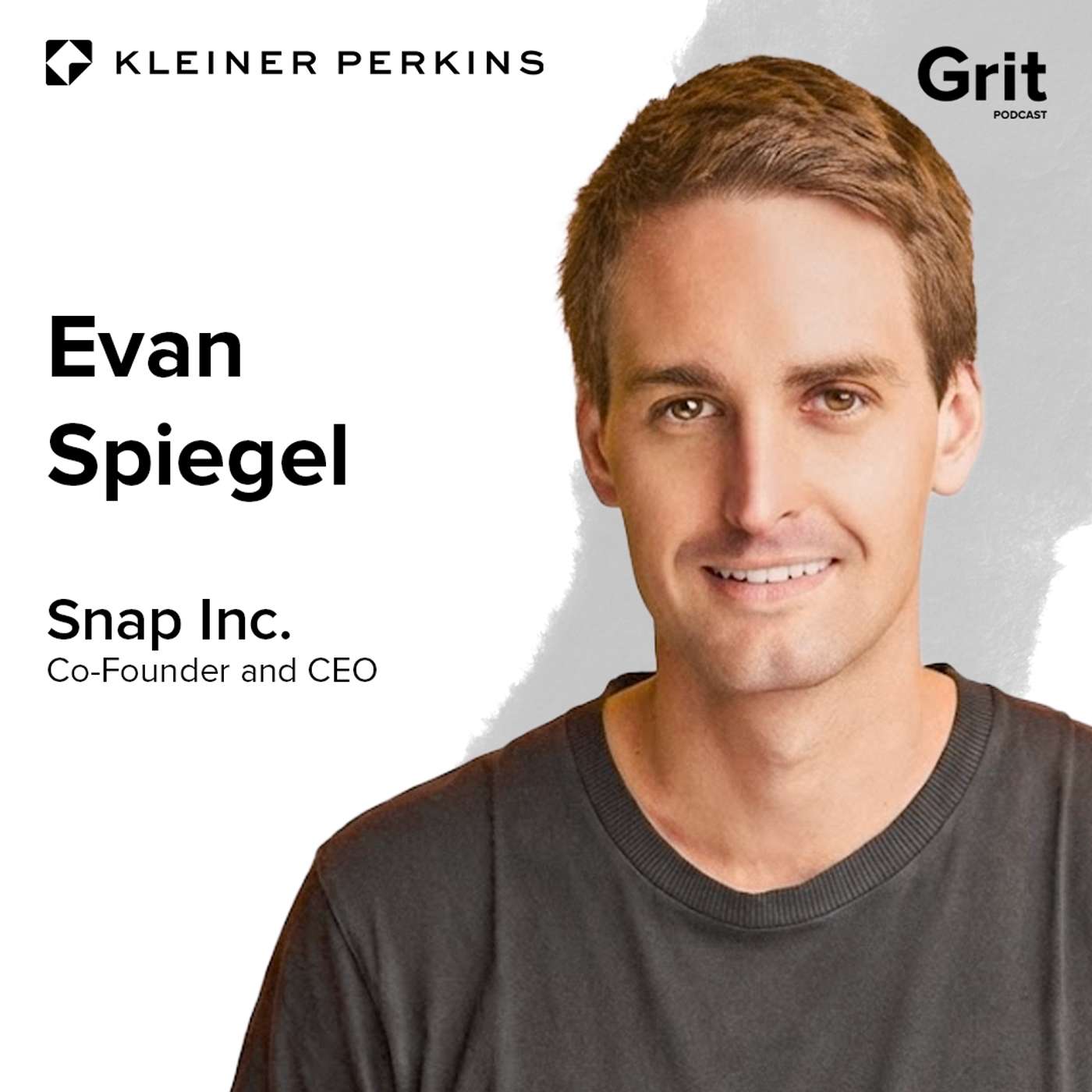
Biohacker Bryan Johnson directly challenges the "grind culture" belief that founders must sacrifice health and sleep for success. He argues this is a false narrative, stating that prioritizing high-quality sleep will make an individual a more effective leader, parent, and partner.
Emanuel believes his extreme wellness routines are direct training for business. By teaching his mind to handle the physical discomfort of ice baths or fasting, he builds the mental capacity to endure professional aggravation. This practice of being "comfortable in the uncomfortable" translates directly to entrepreneurial resilience.

OutboundSync founder Harris Kenny correlates his company's push past $500k ARR with his new, disciplined health regimen. By waking up at 4:30 AM and exercising daily, he found the energy and clarity for rapid growth, demonstrating how personal habits can be a key lever for professional success.
