Get your free personalized podcast brief
We scan new podcasts and send you the top 5 insights daily.
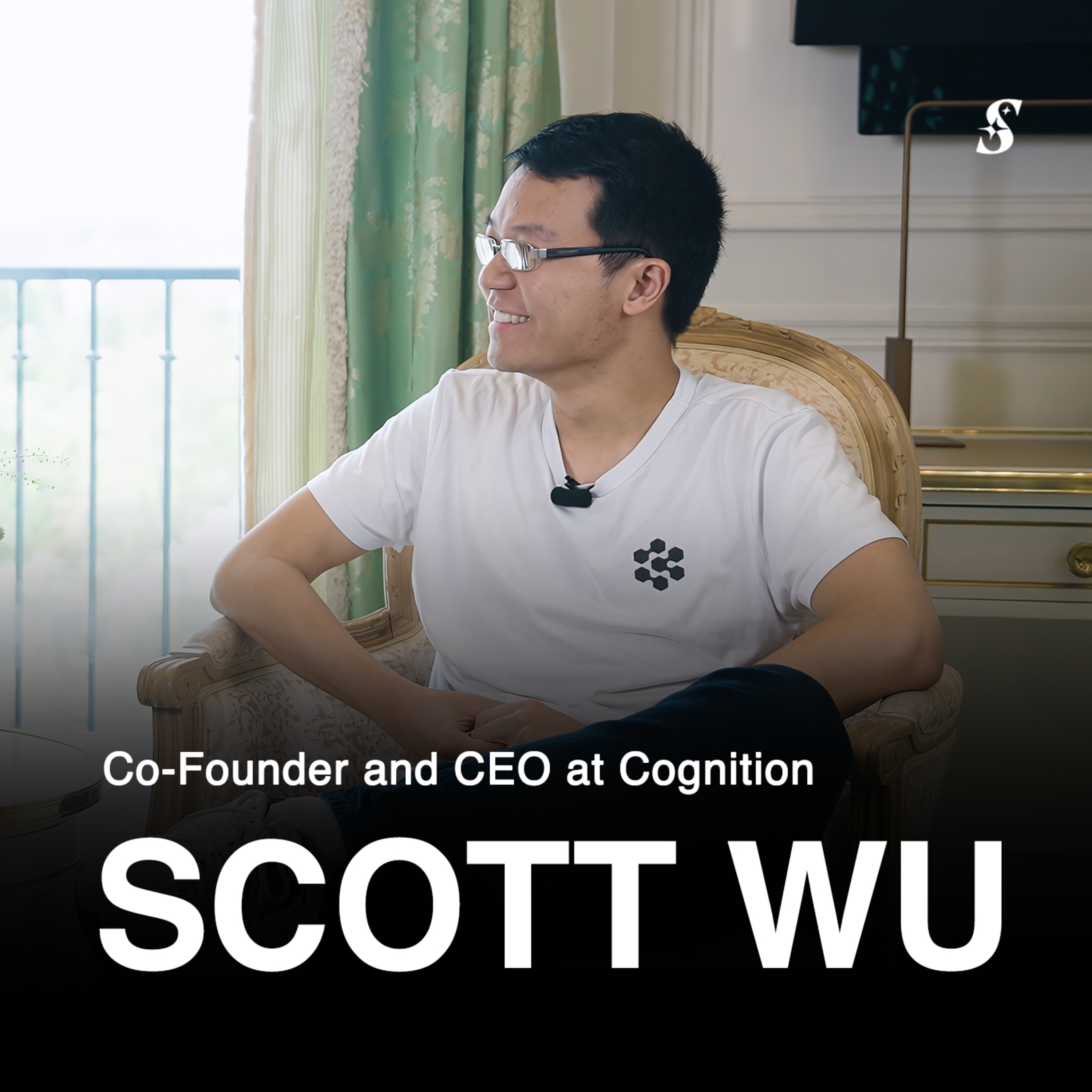
Cognition demonstrated extreme agility by initiating contact on a Friday evening and finalizing the acquisition of Windsurf by Monday morning. This rapid, decisive action secured a key asset, including an enterprise go-to-market team and a complementary IDE product, showcasing a strong bias for action in M&A.
Related Insights
Contrary to standard M&A practice where integration begins post-close, Brad Jacobs makes immediate, unrestricted access to a target company's employees and operations a non-negotiable term upon signing. This allows his team to begin the integration process weeks or months earlier.

By completing extensive strategy work and securing board approval upfront, Milliken entered the final bidding stage as the "most certain bidder." This allowed them to close quickly and confidently, winning the deal despite not offering the highest price because the seller valued the assurance of a close.

Amplitude's CEO acquired multiple founder-led companies as a deliberate strategy to counteract the inherent slowness of a large SaaS business. This injects a startup's pace and an AI-native mindset directly into the organization to accelerate its AI transformation.

When tasked with creating a new product line from zero, a CPO's first move can be to acquire a small company already operating in the space. This "buy before build" strategy can dramatically accelerate progress by inheriting a team that has already solved many of the foundational problems, bypassing a lengthy hiring and development cycle.

Jensen Huang personally drove the $20B acquisition of Groq, completing it in under two weeks with no other bidders and wiring money early. This demonstrates how a dominant market leader can and should act decisively, treating a multi-billion dollar strategic acquisition with the speed and simplicity of a small purchase.

The acquisition of Cursor by SpaceX's AI division was driven as much by Cursor's strong enterprise brand and go-to-market team as by its coding data. This highlights the strategic value of commercial infrastructure, like Fortune 500 relationships and sales teams, in AI M&A.

Instead of forcing a rapid, top-down integration of Windsurf's IDE, Cognition adopted a gradual approach. They let natural product evolution and overlapping user needs pull the two products together over time, avoiding disruption and ensuring the final integrated product genuinely solved user problems.
Amplitude's acquisition of Kraftful was re-initiated after their CPO personally used the product for hours, triggering an internal "power user" flag. This shows how deep, organic product engagement from a strategic buyer's leadership can be a direct M&A catalyst.
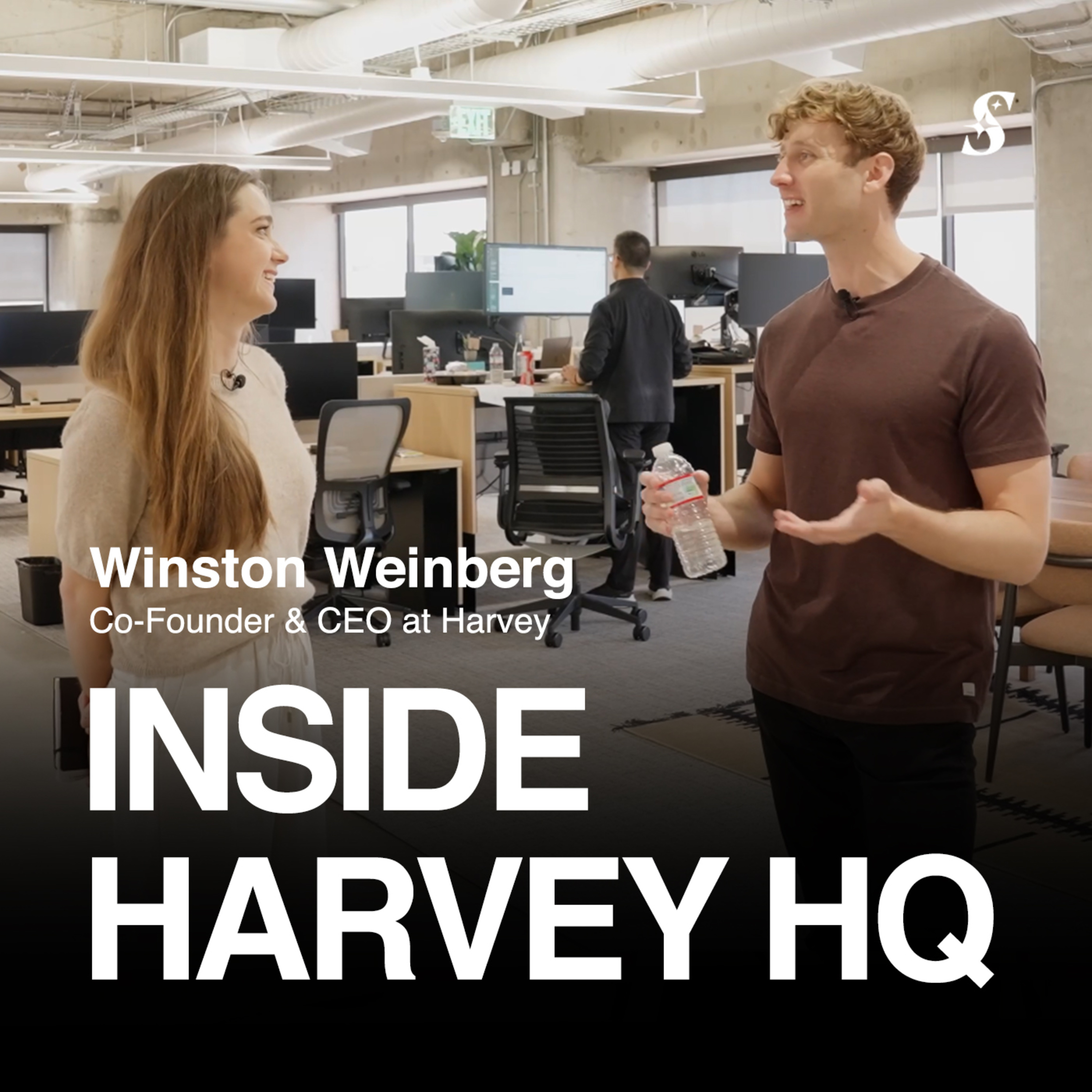
Harvey AI's M&A strategy prioritizes acquiring talented teams over buying existing tech, even from outside its industry. The rationale is that great talent can build new products much faster with modern AI tools, making the team the more valuable asset.
The Clapp acquisition began when Lemlist's CEO sent a random cold email to the founder. Despite competing against larger companies who bid more, Lemlist won the deal by focusing on product synergies and team fit, proving that a strong relationship and shared vision can be more valuable than the highest offer.
