Get your free personalized podcast brief
We scan new podcasts and send you the top 5 insights daily.
The acquisition of Cursor by SpaceX's AI division was driven as much by Cursor's strong enterprise brand and go-to-market team as by its coding data. This highlights the strategic value of commercial infrastructure, like Fortune 500 relationships and sales teams, in AI M&A.

Related Insights
The merger between SpaceX and xAI was likely driven by xAI's high cash burn ($1B/month). By absorbing it, the cash-flow positive SpaceX provides a financial lifeline and makes it easier to raise capital for the AI venture under the umbrella of a stronger, more established brand, boosting the combined entity's IPO prospects.
SpaceX's option to buy AI coding company Cursor for $60B just before its massive IPO is a strategic move to strengthen its AI pitch to investors. It suggests that Elon Musk's existing AI venture, XAI, lacked a compelling product story, and Cursor provides a ready-made, successful one.
The SpaceX/Cursor deal strategically strengthens XAI's weaker AI coding story, making the entire SpaceX conglomerate more attractive to public investors. This narrative-building is a key tactic before an IPO to address investor concerns about specific business units.
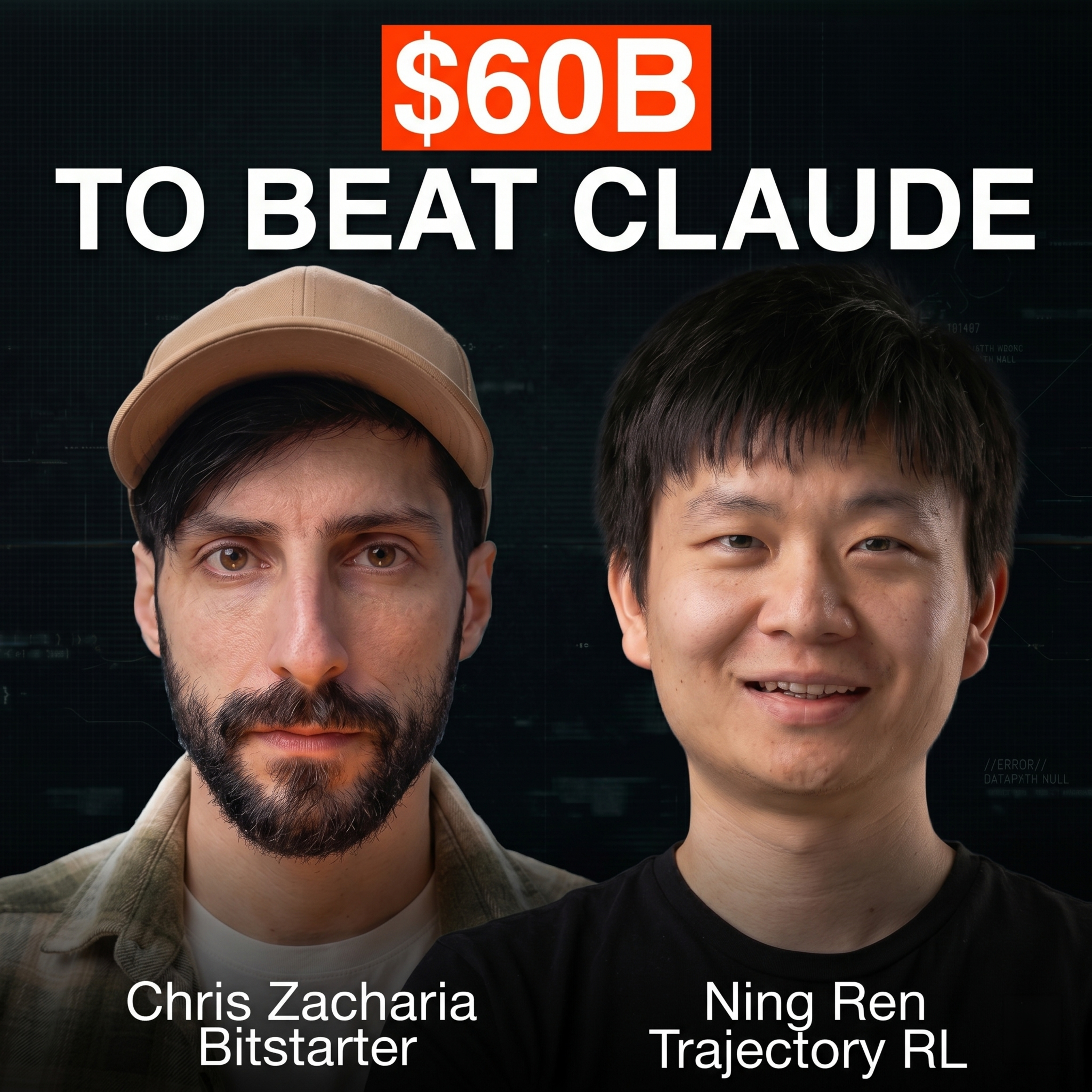
SpaceX gives coding AI company Cursor compute and a $10B payout if an acquisition fails, while securing an option to buy a state-of-the-art model. This innovative structure de-risks capital-intensive R&D for the startup and provides the acquirer with a low-cost call option on breakthrough technology.

SpaceX/xAI structured its deal with coding AI company Cursor as an option to buy for $60B. If the deal falls through, Cursor receives a $10B breakup fee. This win-win structure gives Cursor massive upside or non-dilutive capital, while allowing SpaceX to access a state-of-the-art model without the initial training risk and cost.

xAI's Grok faces enterprise adoption issues due to controversial branding associated with Elon Musk. By acquiring Cursor, which has a clean, professional image and a reassuring founder, xAI gains a vehicle to penetrate corporate markets that would otherwise be wary of its products, effectively laundering its brand perception.
SpaceX bought developer IDE company Cursor not just for its tech, but to create a captive audience for its massive compute resources (Colossus). This vertical integration provides Cursor with unlimited compute and SpaceX with a guaranteed customer, solving critical problems for both companies.

Despite technical capabilities, Grok's association with Elon Musk's controversial brand makes it a risk for large corporations. In contrast, Cursor's founder and brand project a welcoming, Stripe-like aesthetic. This makes them a more reassuring and palatable choice for enterprise buyers like Ford or GE, highlighting that brand perception is critical in B2B AI sales.
The SpaceX/Cursor deal, with its $60B acquisition option, reveals a symbiotic survival strategy. SpaceX has immense, underutilized compute but lacks a killer AI application and revenue. Cursor has a strong product and user base but is resource-constrained. This fusion solves both companies' critical weaknesses, signaling a new M&A driver where compute is traded for product-market fit.

Cursor has a leading AI coding product but lacks compute power. SpaceX's xAI has immense GPU capacity (Colossus) but a less mature model. The deal gives Cursor the resources to scale and xAI a best-in-class product and team, creating powerful vertical integration.
