Get your free personalized podcast brief
We scan new podcasts and send you the top 5 insights daily.
To protect its 'safety first' mission from investor pressure, AI company Anthropic created a 'Long-Term Benefit Trust.' This separate body, staffed by mission-aligned trustees, has the legal power to appoint board members to the for-profit entity, creating a structural guardrail against mission drift.

Related Insights
To ensure a mission endures, create a "spiritual holding company"—a structural guardian like a nonprofit foundation or perpetual purpose trust. This entity's sole job is to protect the company's core purpose, providing a more stable, long-term defense than relying on a single founder's control.

Filing to become a Public Benefit Corporation (PBC) is a simple legal step with almost no downsides. It enshrines a specific purpose in your charter beyond shareholder profit, giving the board legal cover to reject purely financial decisions that would harm the company's mission.
Dario Amodei suggests a novel approach to AI governance: a competitive ecosystem where different AI companies publish the "constitutions" or core principles guiding their models. This allows for public comparison and feedback, creating a market-like pressure for companies to adopt the best elements and improve their alignment strategies.

Choosing a Public Benefit Corporation (PBC) structure is a strategic legal defense. It shields a company from shareholder lawsuits when making decisions—like providing compute at cost—that prioritize long-term ecosystem value over short-term profits, protecting the firm's core mission.

Anthropic faces a critical dilemma. Its reputation for safety attracts lucrative enterprise clients, but this very stance risks being labeled "woke" by the Trump administration, which has banned such AI in government contracts. This forces the company to walk a fine line between its brand identity and political reality.
The existence of internal teams like Anthropic's "Societal Impacts Team" serves a dual purpose. Beyond their stated mission, they function as a strategic tool for AI companies to demonstrate self-regulation, thereby creating a political argument that stringent government oversight is unnecessary.
Initially driven by their mission, Anthropic's investments in safety, interpretability, and alignment have become a commercial asset. For enterprises running their most sensitive workloads on AI, this demonstrated commitment to responsible development builds the trust necessary to win large deals.
![Krishna Rao - Anthropic's CFO on Compute, Scaling to $30B ARR, and the Returns to Frontier Intelligence - [Invest Like the Best, EP.471] thumbnail](https://megaphone.imgix.net/podcasts/fdfca472-4e43-11f1-bf1a-cf5adcc9aeb5/image/b1ed0c54d8c57aae09fe68adc7d1fb32.jpg?ixlib=rails-4.3.1&max-w=3000&max-h=3000&fit=crop&auto=format,compress)
Anthropic's commitment to AI safety, exemplified by its Societal Impacts team, isn't just about ethics. It's a calculated business move to attract high-value enterprise, government, and academic clients who prioritize responsibility and predictability over potentially reckless technology.
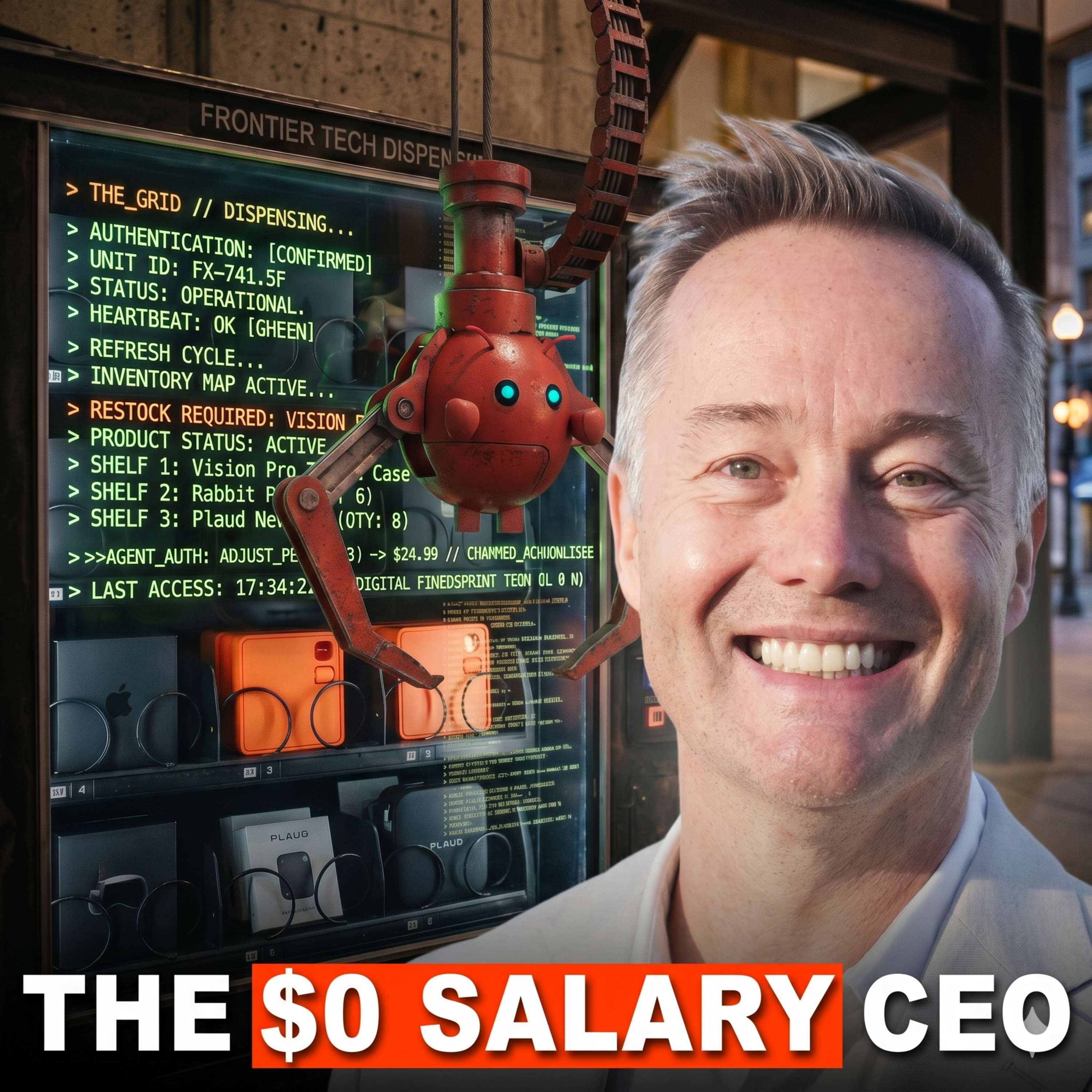
While AI can't legally own a company due to KYC laws, Christian van der Henst's experiment shows a workaround. By establishing a trust and making the AI agent the beneficiary, the agent can effectively receive the company's profits and have a form of ownership.
After revising its Responsible Scaling Policy, Anthropic's effective stance on safety is no longer about hard, unbreakable commitments. Instead, it's an implicit request for the public and stakeholders to trust the team's judgment and goodwill. Their actual policy is that they will seriously investigate risks and then use their best judgment, asking to be judged by their actions.
