Get your free personalized podcast brief
We scan new podcasts and send you the top 5 insights daily.
Initially driven by their mission, Anthropic's investments in safety, interpretability, and alignment have become a commercial asset. For enterprises running their most sensitive workloads on AI, this demonstrated commitment to responsible development builds the trust necessary to win large deals.
![Krishna Rao - Anthropic's CFO on Compute, Scaling to $30B ARR, and the Returns to Frontier Intelligence - [Invest Like the Best, EP.471] thumbnail](https://megaphone.imgix.net/podcasts/fdfca472-4e43-11f1-bf1a-cf5adcc9aeb5/image/b1ed0c54d8c57aae09fe68adc7d1fb32.jpg?ixlib=rails-4.3.1&max-w=3000&max-h=3000&fit=crop&auto=format,compress)
Related Insights
Anthropic's refusal to allow the Pentagon to use its AI for autonomous weapons is a strategic branding move. This public stance positions Anthropic as the ethical "good guy" in the AI space, similar to Apple's use of privacy. This creates a powerful differentiator that appeals to risk-averse enterprise customers.

Instead of competing with OpenAI's mass-market ChatGPT, Anthropic focuses on the enterprise market. By prioritizing safety, reliability, and governance, it targets regulated industries like finance, legal, and healthcare, creating a defensible B2B niche as the "enterprise safety and reliability leader."
By maintaining a steady, laser-focus on enterprise needs, Anthropic has cultivated a reputation as the "adult in the room." This perception of stability and brand safety is a key competitive advantage over OpenAI's more chaotic, constantly shifting strategy.

By being ambiguous about whether its model, Claude, is conscious, Anthropic cultivates an aura of deep ethical consideration. This 'safety' reputation is a core business strategy, attracting enterprise clients and government contracts by appearing less risky than competitors.
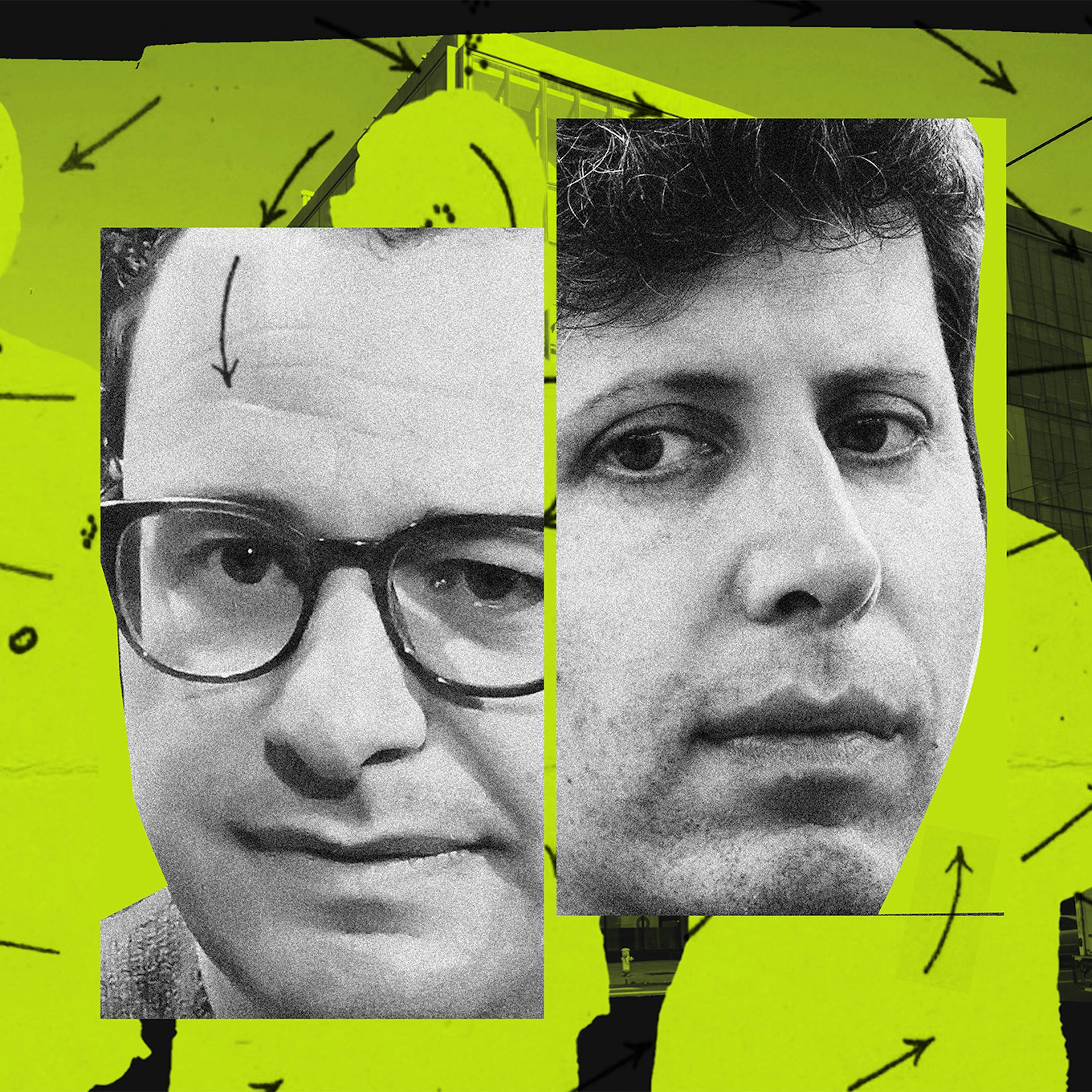
Despite government retaliation, Anthropic's principled stance on AI ethics is attracting enterprise clients wary of association with military applications. The company now reportedly gets 70 cents of every new enterprise AI dollar.
Anthropic's resource allocation is guided by one principle: expecting rapid, transformative AI progress. This leads them to concentrate bets on areas with the highest leverage in such a future: software engineering to accelerate their own development, and AI safety, which becomes paramount as models become more powerful and autonomous.

Anthropic is giving its new Mythos AI model to tech giants like Amazon and Microsoft specifically for cybersecurity. This B2B go-to-market strategy solves a critical, high-trust problem first. By proving its value in securing vital infrastructure, Anthropic can build deep enterprise relationships and drive broader adoption later.

By publicly clashing with the Pentagon over military use and emphasizing safety, Anthropic is positioning itself as the "clean, well-lit corner" of the AI world. This builds trust with large enterprise clients who prioritize risk management and predictability, creating a competitive advantage over rivals like OpenAI.
Anthropic's commitment to AI safety, exemplified by its Societal Impacts team, isn't just about ethics. It's a calculated business move to attract high-value enterprise, government, and academic clients who prioritize responsibility and predictability over potentially reckless technology.
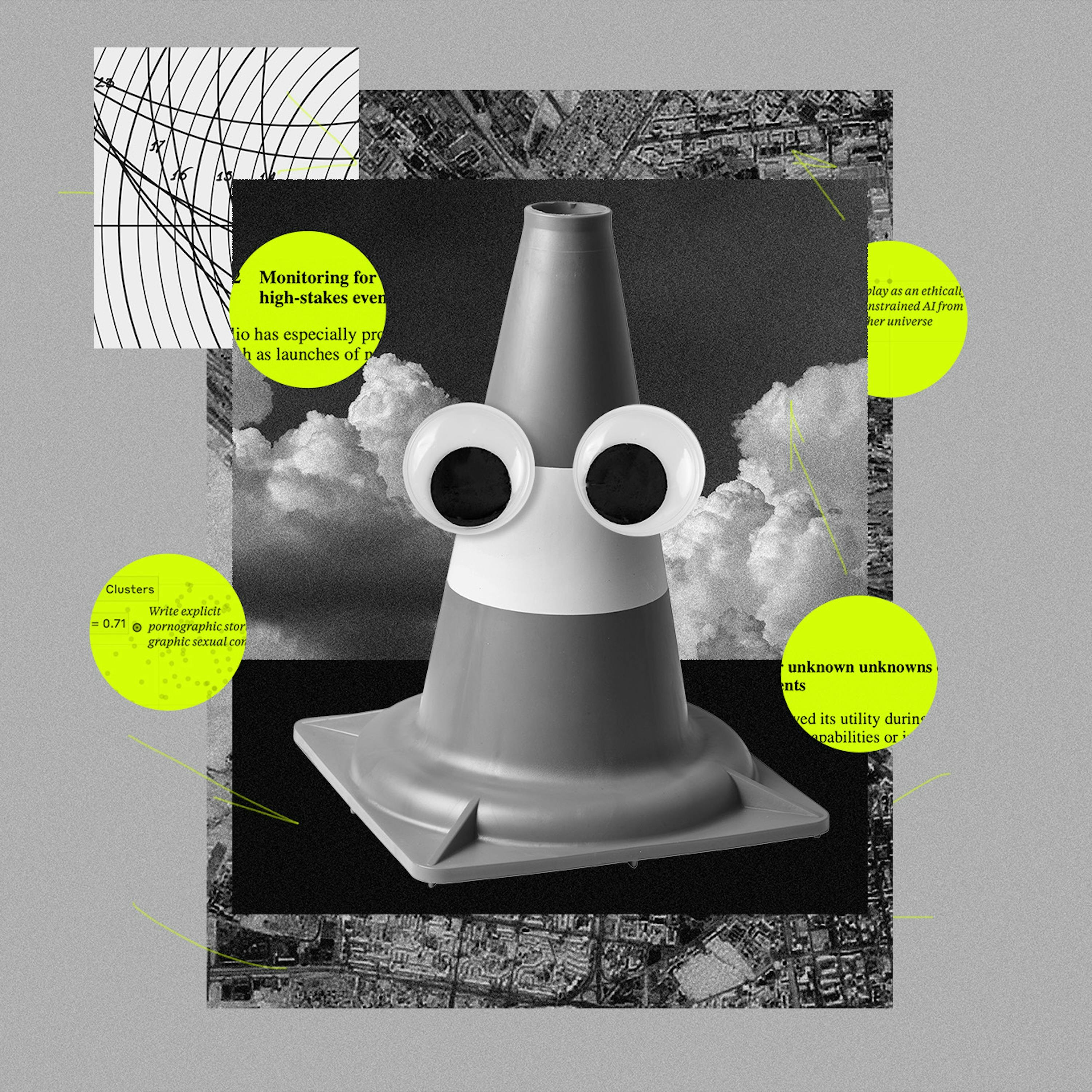
Synthesia views robust AI governance not as a cost but as a business accelerator. Early investments in security and privacy build the trust necessary to sell into large enterprises like the Fortune 500, who prioritize brand safety and risk mitigation over speed.