Get your free personalized podcast brief
We scan new podcasts and send you the top 5 insights daily.
Katie Dill, Stripe's Head of Design, actively uses their internal prototyping tools and codes on weekends. She believes that for leaders to be effective in a rapidly changing technical landscape, they must stay in touch with the tools and workflows their teams use daily, rather than just managing from a distance.

Related Insights
Z.AI's culture mandates that technical leaders, including the founder, remain hands-on practitioners. The AI field evolves too quickly for a delegated, hands-off management style to be effective. Leaders must personally run experiments and engage with research to make sound, timely decisions.

Webflow's CPO champions the "ICCPO" (Individual Contributor CPO) model. In the AI era, leaders must be hands-on practitioners who experiment with their own tools. This direct engagement is critical for understanding the new toolkit, discovering its limitations, and guiding their teams effectively from the trenches.

In today's fast-paced tech landscape, especially in AI, there is no room for leaders who only manage people. Every manager, up to the CPO, must be a "builder" capable of diving into the details—whether adjusting copy or pushing pixels—to effectively guide their teams.

The traditional management philosophy of “hire smart people and get out of their way” is obsolete in design. Today's leaders must be deeply engaged, providing significant support to senior designers who tackle ambiguous and politically complex projects. This hands-on guidance is crucial for shipping outcomes, not just outputs.

To prevent management from becoming a detached layer, Arista ensures its leaders are "coach players." This means even senior executives, like the CTO and founder, still contribute by coding. This "leading by example" approach proves to employees that management is connected to the core work, reinforcing a strong, authentic engineering culture.

The best leaders don't just stay high-level. They retain the ability to dive deep into technical details to solve critical problems. As shown by Apple's SVP of Software, this hands-on capability builds respect and leads to better outcomes, challenging the 'empower and get out of the way' mantra.
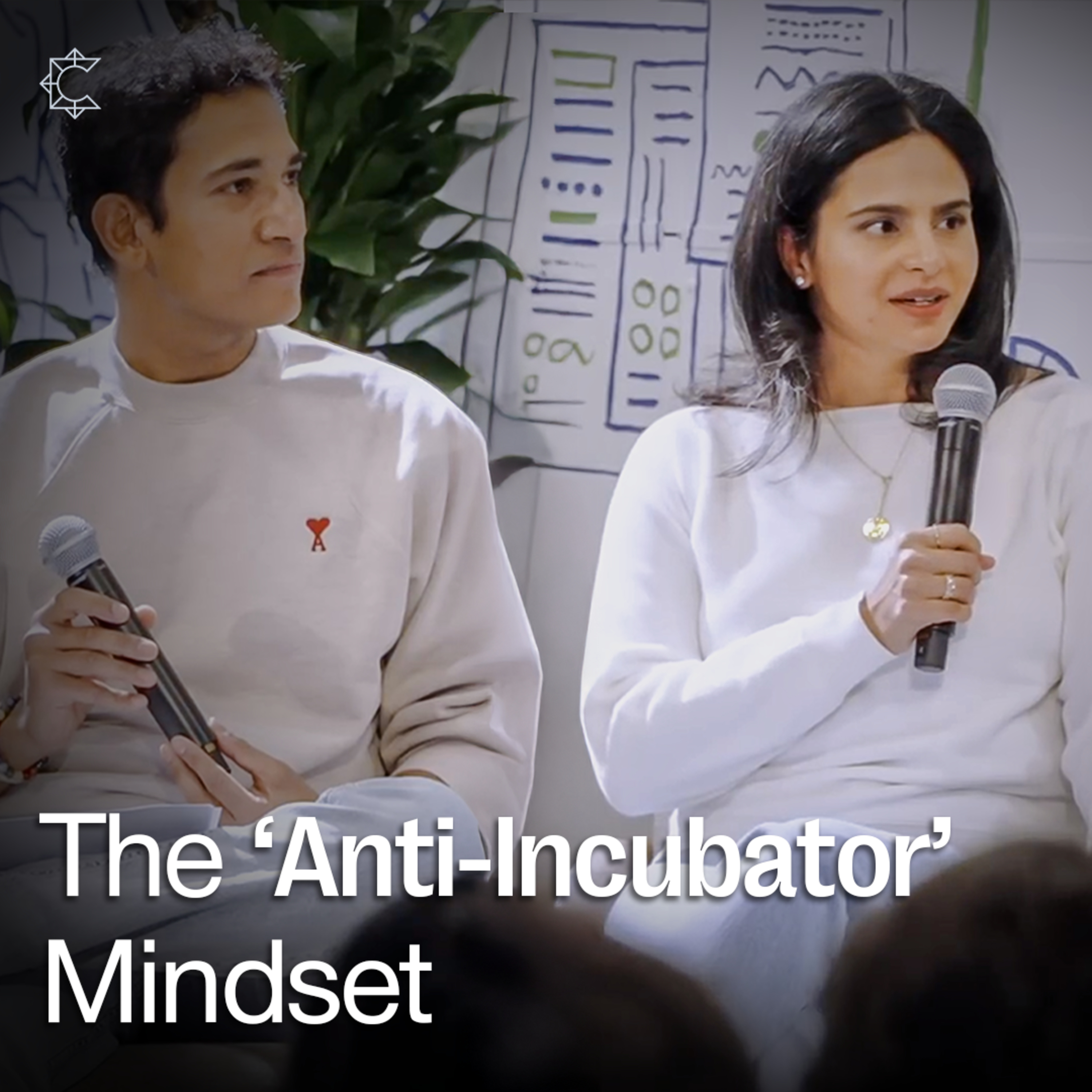
Design leaders must rapidly switch between high-level strategy and deep, hands-on critique. If they're not a strong practitioner, they lose credibility and can't effectively course-correct work, leading to quality issues discovered too late in the process. Operational skill alone is insufficient.

Lifetime's CCO argues that creative leaders should not become pure managers. He maintains his edge and leads by example by actively participating in the creative process, from logo design to app experience concepts. He believes any creative leader who doesn't "get their hands dirty" is less trustworthy and effective.

An emerging trend sees senior design leaders, including VPs, stepping back into Individual Contributor (IC) roles. The pace of change in design tooling, particularly with AI, makes it nearly impossible to lead effectively without direct, hands-on experience. This move is a strategy for staying relevant and empathetic.
To avoid becoming an "ivory tower" manager, engineering leaders should use side projects as a playground for new technologies. This practice ensures they understand the limitations of new tools like AI and can provide credible, concrete, hands-on guidance to their teams.
