Get your free personalized podcast brief
We scan new podcasts and send you the top 5 insights daily.
The Trump-Iran agreement is framed as a 'Memo of Understanding' (MOU), a common but non-enforceable business term. This signals a lack of serious commitment and legal standing, suggesting it's a temporary political maneuver rather than a durable international treaty, as only a fraction of MOUs ever become consummated deals.

Related Insights
Beyond the short-term political calculus of avoiding an unpopular war, President Trump's motivation for a deal with Iran is deeply rooted in legacy-building. He seeks to be the president who fundamentally reshapes the US-Iran relationship, a historic diplomatic achievement that provides a powerful personal incentive for resolution.

The touted $300 billion reconstruction fund for Iran is characteristic of Donald Trump's diplomatic style: offering a massive, vaguely defined financial incentive to "grease the wheels" of negotiation. With no confirmed funding, it serves as a powerful but likely unrealizable bargaining chip to achieve foreign policy goals.

The new US-Iran framework is a unilateral deal, unlike the previous JCPOA which involved Europe, China, and Russia. This structural weakness makes the agreement less consequential for Iran to break, as they would only antagonize the U.S. rather than a global coalition, ultimately leaving Iran in a stronger geopolitical position.

The US-Iran framework deal was primarily motivated by the need to reopen the critical Strait of Hormuz for oil transport. This narrow economic aim took precedence over allies' broader security concerns, such as dismantling Iran's missile program, revealing a divergence in strategic priorities between the US and Israel.
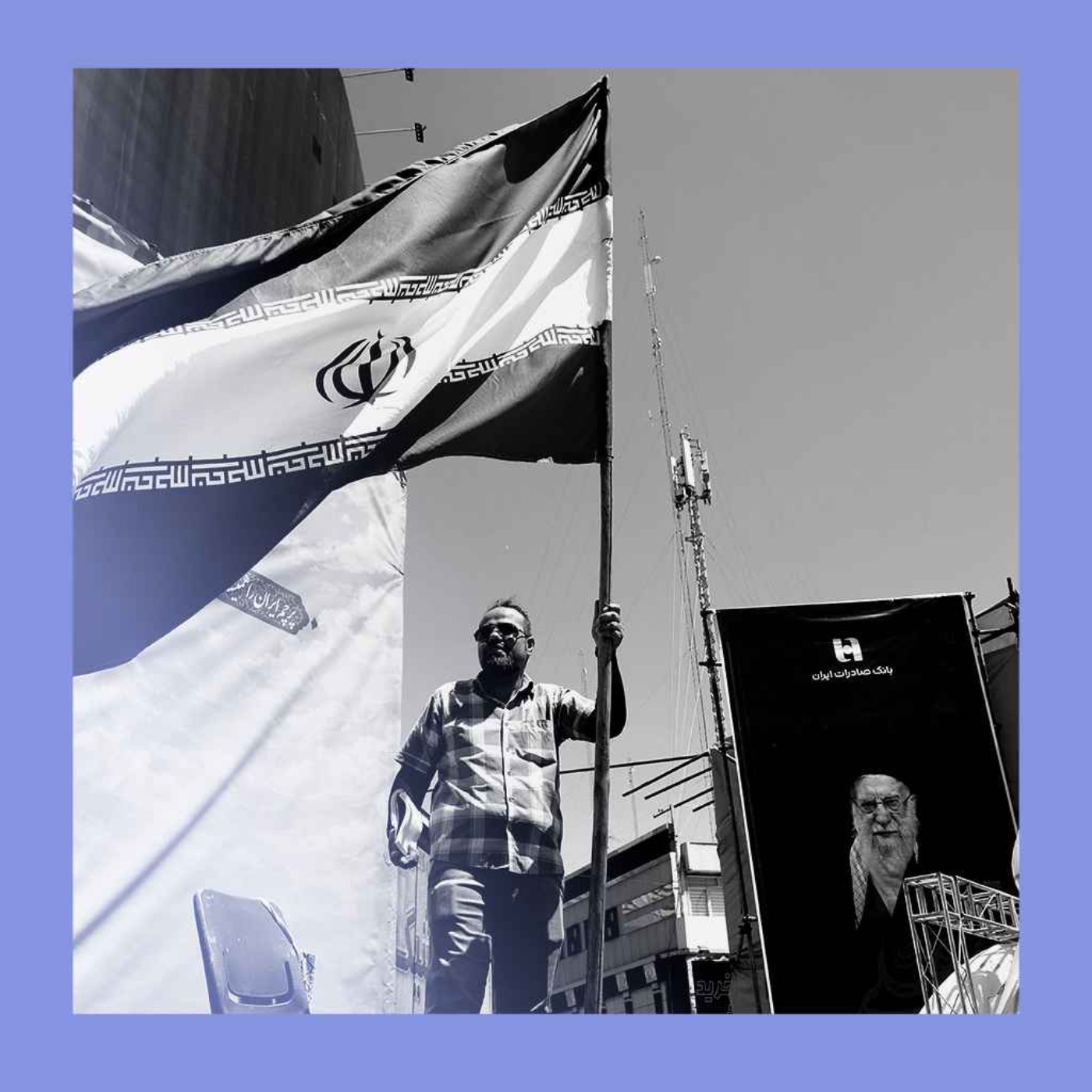
As the Trump administration damages international relationships, individual US states are bypassing Washington. They are creating their own 'memos of understanding' with foreign nations to protect their specific economic interests, effectively acting as independent entities on the world stage.

The US-Iran agreement is a "deal to do more deal making," deferring critical issues like the nuclear program and long-term sanctions. This approach secures short-term stability but fails to resolve underlying conflicts, creating a high probability that the crisis will re-ignite once the interim negotiation period ends.
Constant, unfulfilled promises of an imminent deal with Iran make the U.S. appear weak and its leadership unreliable. This damages credibility with both allies and adversaries, regardless of whether a deal is eventually reached.

The public threats of a military strike against Iran may be a high-stakes negotiating tactic, consistent with Trump's style of creating chaos before seeking a deal. The goal is likely not war, which would be politically damaging, but to force Iran into economic concessions or a new agreement on US terms.

The Trump administration's stated goals for a new deal, including a commitment from Iran not to develop nuclear weapons and allowing inspections, are identical to the provisions of the JCPOA. This makes the current conflict an absurdly ironic path to potentially achieving a slightly different version of the agreement Trump dismantled.

The US withholding details of the Iran MOU creates suspicion. It suggests the terms are either unfavorable to the US or not yet finalized, allowing Iran to dominate the public narrative and appear stronger.
