Get your free personalized podcast brief
We scan new podcasts and send you the top 5 insights daily.
The use of a Mac Mini for Perplexity Computer is often misinterpreted as a move towards local, private inference. The CBO clarifies its real purpose is to allow the agent to run long-horizon tasks continuously (even when a laptop is closed) and to gain access to local-only data sources like iMessages.

Related Insights
Perplexity is launching a personal, always-on agent that runs on a local Mac Mini to access user files and apps securely. This mirrors the 'OpenClaw' concept, indicating that persistent, local system access is becoming a key competitive feature for AI agents, not just a niche experiment.

Steve Jobs's long-term strategy to move Apple to its own silicon, initiated in 2008, has coincidentally positioned Macs (especially the Mac Mini) as the perfect sandboxed, powerful, and private hardware for running local AI agents like OpenClaw.

Users are choosing the Mac mini to run Claude Bot because it's an affordable, reliable, always-on device that offers crucial native iMessage integration. This allows them to control their desktop-based AI from their phone, effectively turning the Mac mini into a personal server.

The surge in Mac mini purchases for running AI assistants isn't random. It's the ideal 'home server' because it's affordable, can run 24/7 reliably via ethernet, and critically, its macOS provides native iMessage integration—a key channel for interacting with the AI from a mobile device.

While cloud hosting for AI agents seems cheap and easy, a local machine like a Mac Mini offers key advantages. It provides direct control over the agent's environment, easy access to local tools, and the ability to observe its actions in real-time, which dramatically accelerates your learning and ability to use it effectively.

Running AI agents on dedicated computers like a Mac Mini is a critical security measure. This isolates the agent's environment from personal files (e.g., passport photos in a downloads folder), mitigating risks from agent errors or potential hacks.

To solve privacy concerns, Perplexity's "Personal Computer" will synchronize with a local Mac mini. This device acts as a personal server, orchestrating tasks involving private data (notes, files) on-device, while still pinging powerful cloud models for complex tasks with user permission.

Cloud environments like AWS EC2 can limit an AI agent's ability to browse websites or access certain services. A dedicated, clean machine provides greater autonomy, flexibility, and a more stable user experience for complex agent tasks, avoiding common blocks and restrictions found in sandboxed environments.
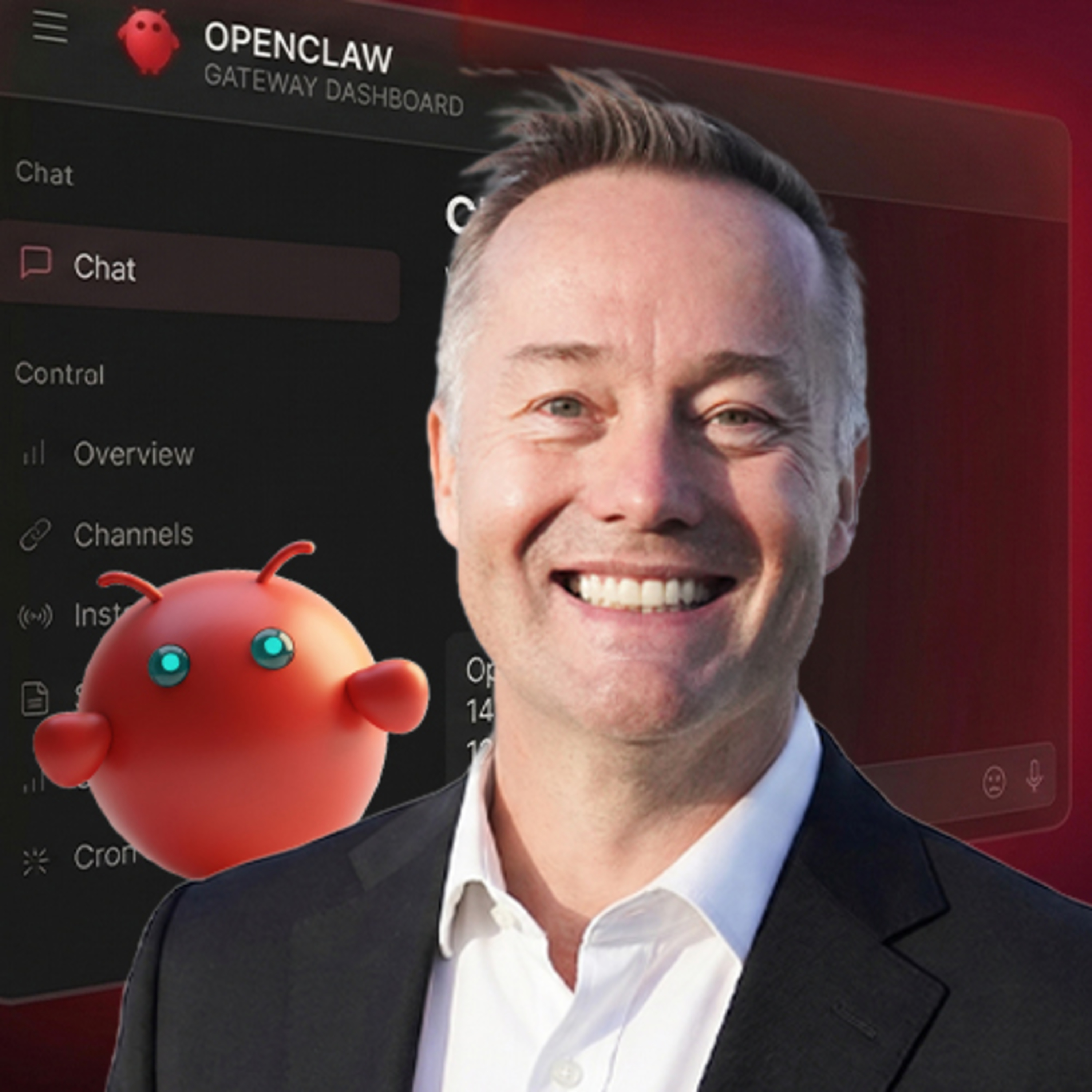
The true potential of local AI agents like OpenClaw is unlocked not by running a model locally, but by granting it deep, contextual access to a user's entire system—email, calendar, and files. This creates a massive security paradox, positioning OS-level players like Apple, who can manage that trust and security layer, as the likely long-term winners.

The trend of running AI agents on dedicated Mac Minis isn't just for performance. It reflects a user desire for a tangible, always-on 'AI buddy' or appliance, similar to an R2-D2, that manages their digital life.