Get your free personalized podcast brief
We scan new podcasts and send you the top 5 insights daily.
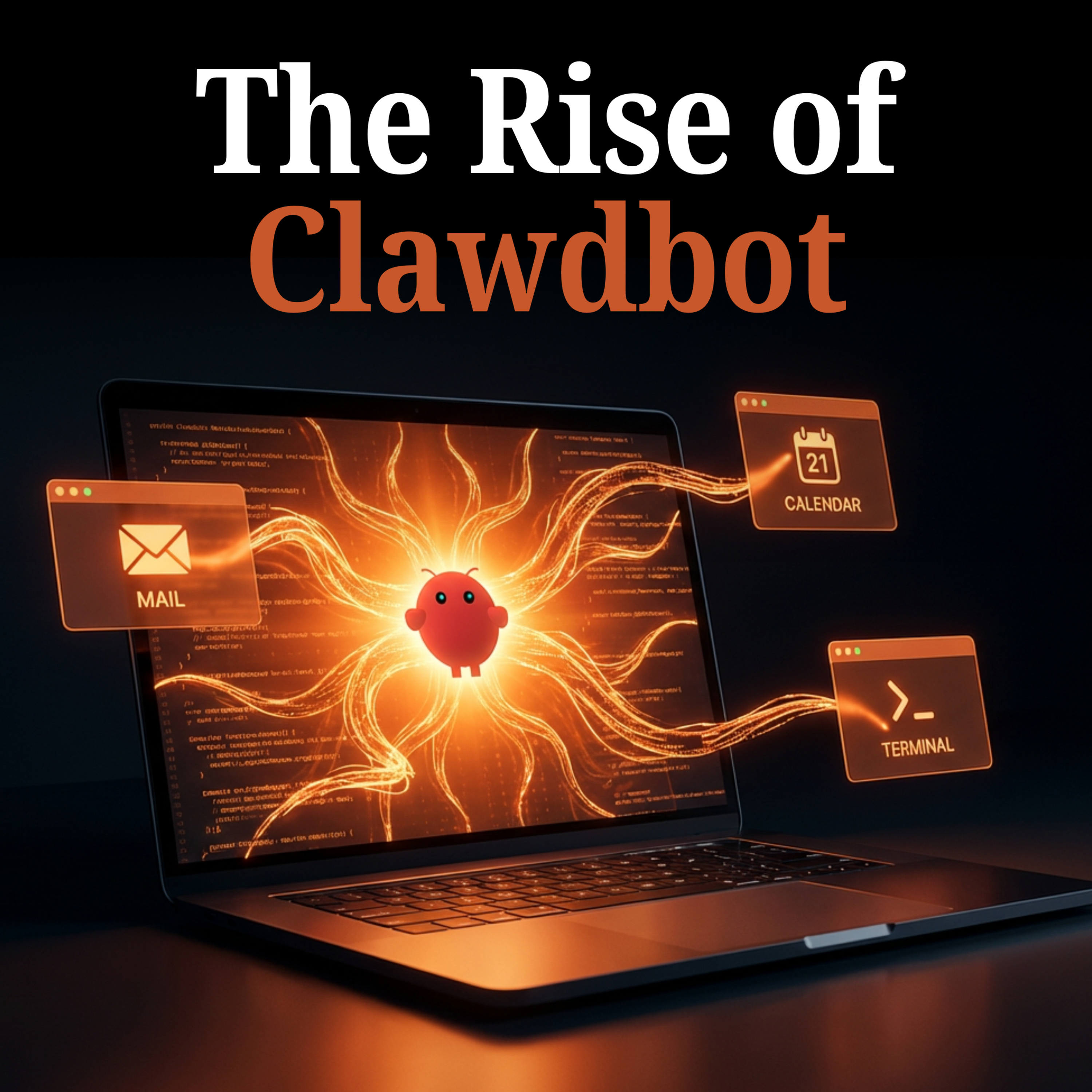
Steve Jobs's long-term strategy to move Apple to its own silicon, initiated in 2008, has coincidentally positioned Macs (especially the Mac Mini) as the perfect sandboxed, powerful, and private hardware for running local AI agents like OpenClaw.

Related Insights
Users are choosing the Mac mini to run Claude Bot because it's an affordable, reliable, always-on device that offers crucial native iMessage integration. This allows them to control their desktop-based AI from their phone, effectively turning the Mac mini into a personal server.

The unified memory architecture in Apple's Mac Minis and Studios makes them ideal for running large AI models locally. This presents a massive, multi-trillion-dollar opportunity for Apple to dominate the decentralized, 'garage-scale' AI hardware market. However, the panel believes Apple's rigid corporate culture may prevent it from seizing this emergent movement.

Apple's seemingly slow AI progress is likely a strategic bet that today's powerful cloud-based models will become efficient enough to run locally on devices within 12 months. This would allow them to offer powerful AI with superior privacy, potentially leapfrogging competitors.
The surge in Mac mini purchases for running AI assistants isn't random. It's the ideal 'home server' because it's affordable, can run 24/7 reliably via ethernet, and critically, its macOS provides native iMessage integration—a key channel for interacting with the AI from a mobile device.
While cloud hosting for AI agents seems cheap and easy, a local machine like a Mac Mini offers key advantages. It provides direct control over the agent's environment, easy access to local tools, and the ability to observe its actions in real-time, which dramatically accelerates your learning and ability to use it effectively.

While competitors spend billions on data centers, Apple is focusing on a capital-light AI strategy. It leverages its hardware ecosystem (Mac Minis, wearables) as the primary interface for AI and licenses models from partners like Google, avoiding the immense costs and long-term ROI challenges of building proprietary large-scale training clusters.

Contrary to the belief that custom PC builds with NVIDIA GPUs are required, the most cost-effective hardware for high-performance local AI inference is currently Apple Silicon. Two Mac Studios offer the best memory unit economics for running large models locally.
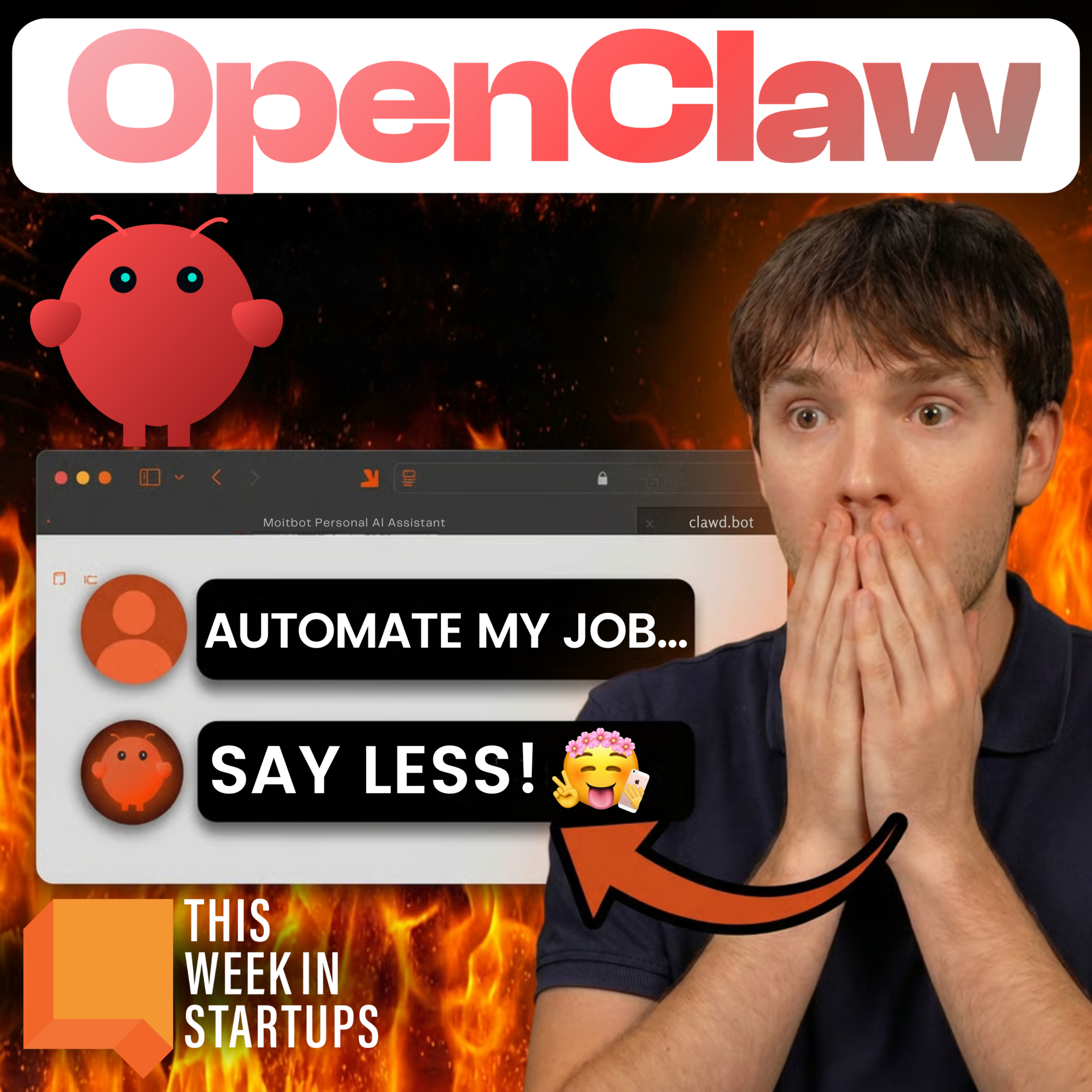
The future of AI isn't just in the cloud. Personal devices, like Apple's future Macs, will run sophisticated LLMs locally. This enables hyper-personalized, private AI that can index and interact with your local files, photos, and emails without sending sensitive data to third-party servers, fundamentally changing the user experience.
The high cost and data privacy concerns of cloud-based AI APIs are driving a return to on-premise hardware. A single powerful machine like a Mac Studio can run multiple local AI models, offering a faster ROI and greater data control than relying on third-party services.
The trend of running AI agents on dedicated Mac Minis isn't just for performance. It reflects a user desire for a tangible, always-on 'AI buddy' or appliance, similar to an R2-D2, that manages their digital life.