Get your free personalized podcast brief
We scan new podcasts and send you the top 5 insights daily.
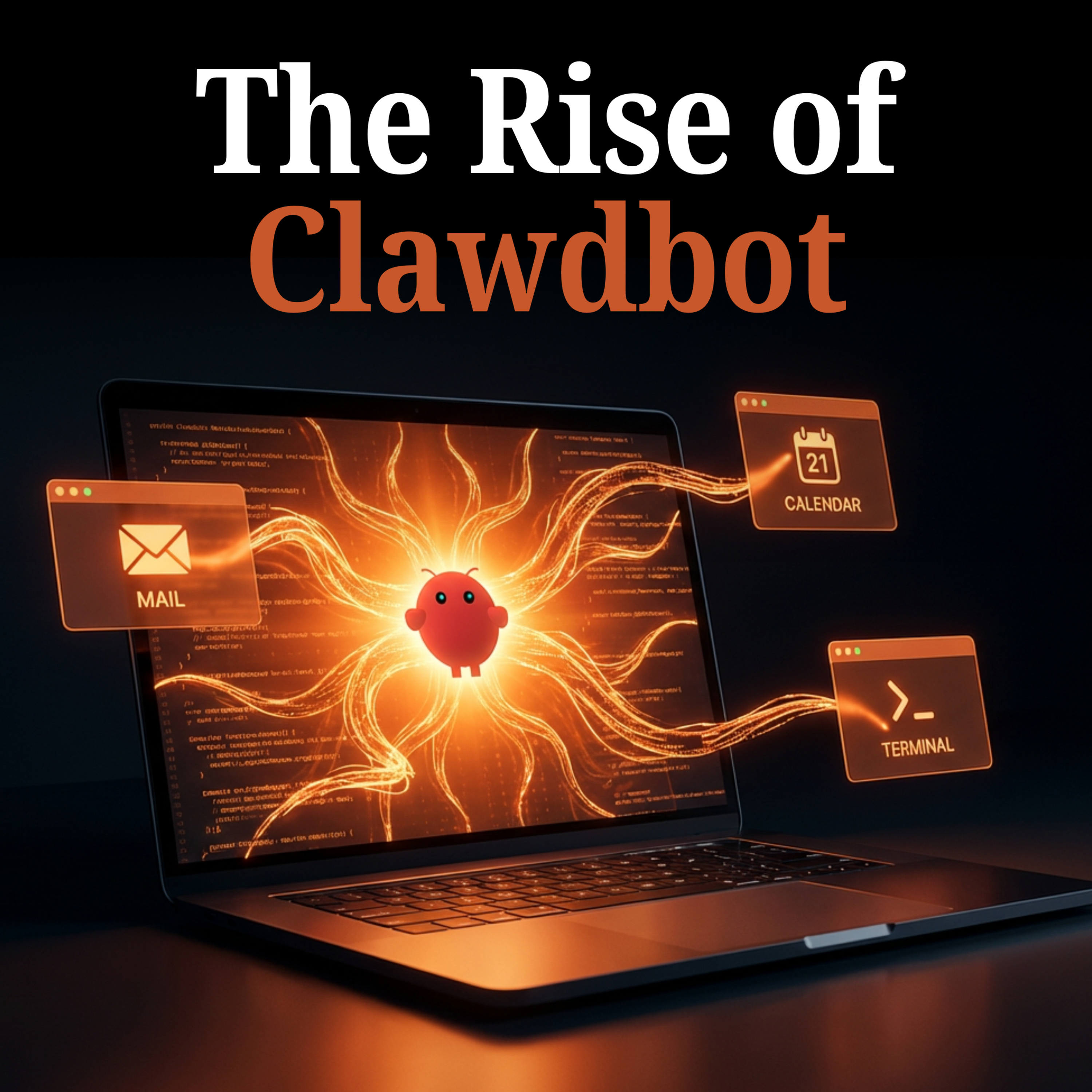
The true potential of local AI agents like OpenClaw is unlocked not by running a model locally, but by granting it deep, contextual access to a user's entire system—email, calendar, and files. This creates a massive security paradox, positioning OS-level players like Apple, who can manage that trust and security layer, as the likely long-term winners.

Related Insights
Signal President Meredith Whittaker warns that OS-integrated AI agents require pervasive access to data (calendars, messages, files). This creates a massive security vulnerability, allowing attackers to bypass strong, application-specific encryption by simply exploiting the agent's broad permissions.

Because agentic frameworks like OpenClaw require broad system access (shell, files, apps) to be useful, running them on a personal computer is a major security risk. Experts like Andrej Karpathy recommend isolating them on dedicated hardware, like a Mac Mini or a separate cloud instance, to prevent compromises from escalating.

The core appeal of open-source projects like OpenClaw is that they run locally on user hardware, granting full control over personal data. This contrasts with cloud-based agents from Meta, positioning data ownership and privacy as a key differentiator against convenience.

The hype around AI agents needing local file system access may be misplaced for the average consumer. Most critical personal data—photos, emails, messages—is already mirrored in the cloud and accessible via APIs. The real challenge and opportunity lie in securing cloud service integrations, not local device access.

Autonomous agents like OpenClaw require deep access to email, calendars, and file systems to function. This creates a significant 'security nightmare,' as malicious community-built skills or exposed API keys can lead to major vulnerabilities. This risk is a primary barrier to widespread enterprise and personal adoption.

Powerful local AI agents require deep, root-level access to a user's computer to be effective. This creates a security nightmare, as granting these permissions essentially creates a backdoor to all personal data and applications, making the user's system highly vulnerable.
As AI agents require increasingly deep access to personal data, users will only grant permissions to companies they inherently trust. This gives incumbents like Apple and Google a massive advantage over startups, making brand trust, rather than technological superiority, the ultimate competitive moat.
The future of AI isn't just in the cloud. Personal devices, like Apple's future Macs, will run sophisticated LLMs locally. This enables hyper-personalized, private AI that can index and interact with your local files, photos, and emails without sending sensitive data to third-party servers, fundamentally changing the user experience.
The CEO of WorkOS describes AI agents as 'crazy hyperactive interns' that can access all systems and wreak havoc at machine speed. This makes agent-specific security—focusing on authentication, permissions, and safeguards against prompt injection—a massive and urgent challenge for the industry.

The agent's ability to access all your apps and data creates immense utility but also exposes users to severe security risks like prompt injection, where a malicious email could hijack the system without their knowledge.