Get your free personalized podcast brief
We scan new podcasts and send you the top 5 insights daily.
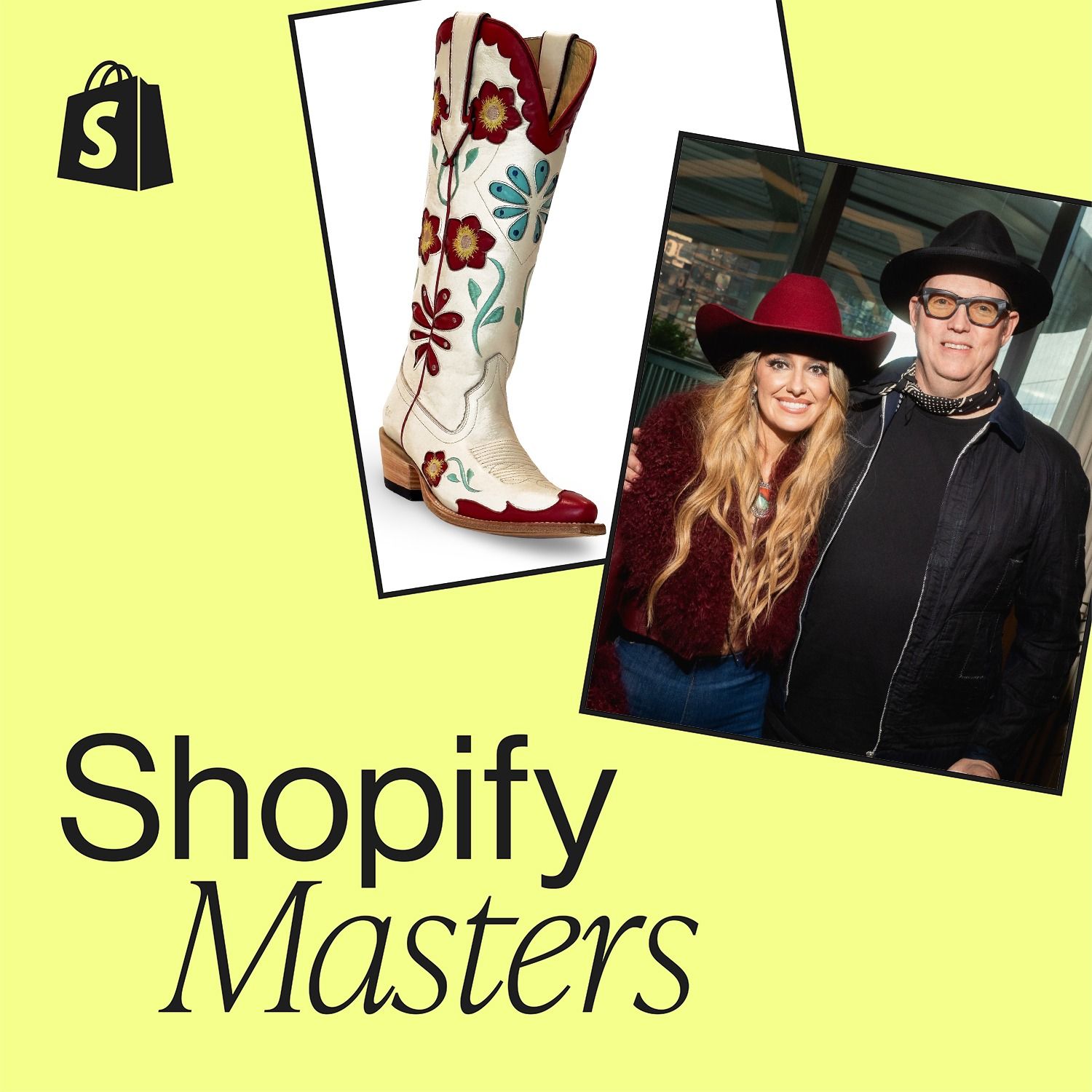
Designer Michael Petrie sees a massive opportunity in the cultural intersection of country music with rap and rock, a trend he calls the "urbanization of country." This cultural shift informs his brand's future direction, anticipating new consumer tastes and styles.
Related Insights
To change how a brand is perceived, connect it to a broader, culturally significant movement. For example, a UK podiatry college successfully reframed its profession by positioning it not as foot care, but as an extension of the popular and growing wellness industry.

To maintain cultural relevance, True Religion's CMO builds a diverse marketing team by hiring people from outside traditional corporate structures, such as the music industry. This ensures the team is genuinely tapped into emerging trends, a practice reinforced by weekly "tea time" meetings to share cultural observations.
"Culture" is often used too broadly. Brands should focus on "Little C" culture by tapping into existing pillars like music or sports. "Big C" culture—macro societal shifts—is a rare feat achievable only by platform-level brands like TikTok.

Societal trends, from fashion (tight vs. baggy jeans) to grooming (bearded vs. clean-shaven), are not random. They follow a predictable 7-12 year cycle driven by collective boredom with the status quo. This 'Jeans Theory' allows entrepreneurs and marketers to anticipate future consumer shifts.

Brand love is often less about the product and more about what it symbolizes about the consumer. In an era of 'hyper-identity,' brands become signals people use to communicate their personal values and nuances. Marketing should focus on what the brand says about its user.
The current boom in rock and metal touring isn't just nostalgia. It's fueled by a generation that, now with disposable income, can finally see the bands they loved as teenagers. This creates a multi-generational "family affair" and an experience-driven demand that slick pop shows can't replicate, emphasizing visceral engagement like mosh pits over polished production.

Petrie frames his design philosophy as a for-profit enterprise, not pure art. He compares his role to music producer Rick Rubin, arguing he's paid for his "taste level." His belief is that if he finds something visually pleasing and commercial, customers will too.
Maintaining a brand's core positioning over decades requires evolving tactics. As cultural meanings shift, what once communicated "cool" or "sporty" can become outdated. Brands must adapt their execution to stay consistent with their original promise.

Frito-Lay's Flamin' Hot brand moves beyond simple influencer marketing by studying and collaborating with obsessed subcultures. This approach informs not only marketing campaigns, like a song with Megan Thee Stallion, but also its core product innovation pipeline, making marketing a byproduct of deep cultural integration.
A celebrity's follower count doesn't tell the whole story. A country star's 3.6 million followers are more suburban and rural, requiring different marketing channels than a pop star's 375 million urban followers who are more active on social media.