Get your free personalized podcast brief
We scan new podcasts and send you the top 5 insights daily.
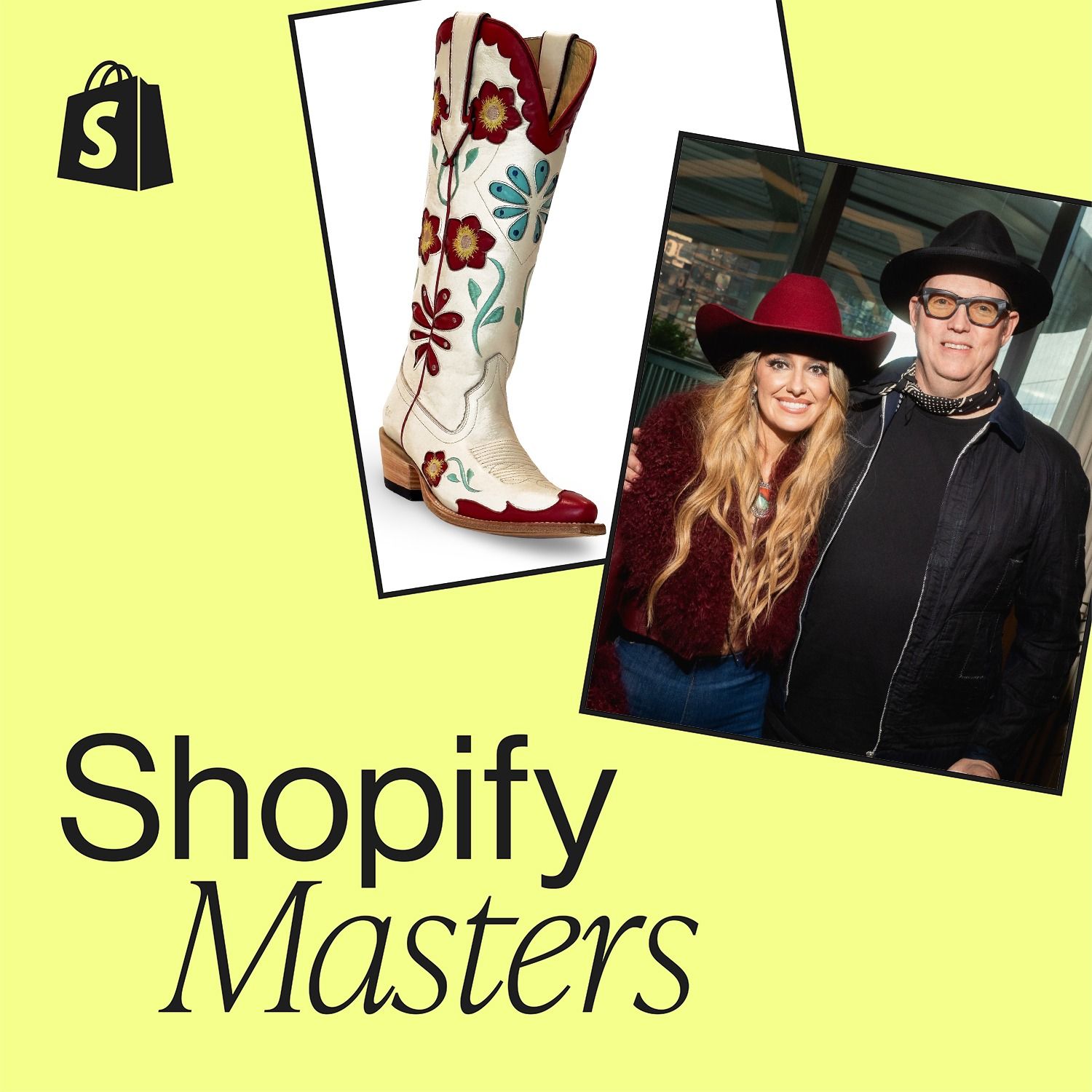
A celebrity's follower count doesn't tell the whole story. A country star's 3.6 million followers are more suburban and rural, requiring different marketing channels than a pop star's 375 million urban followers who are more active on social media.
Related Insights
Modern social platforms prioritize connecting creative content with users based on their interests, not their follows. This means a piece of content can find its target audience organically, regardless of an account's pre-existing follower base, diminishing the value of a large following.

An influencer's audience provides an initial sales boost but is a finite resource that can be quickly saturated. The long-term viability of a personality-led brand depends on its ability to acquire net-new customers through traditional channels, who are not part of the original fanbase.
Platforms like TikTok and Instagram no longer prioritize followers. Their algorithms, in a trend called 'TikTokification,' now serve content based on user interests. To succeed, brands must create content that taps into specific niches to get discovered, rather than relying on their follower count for reach.
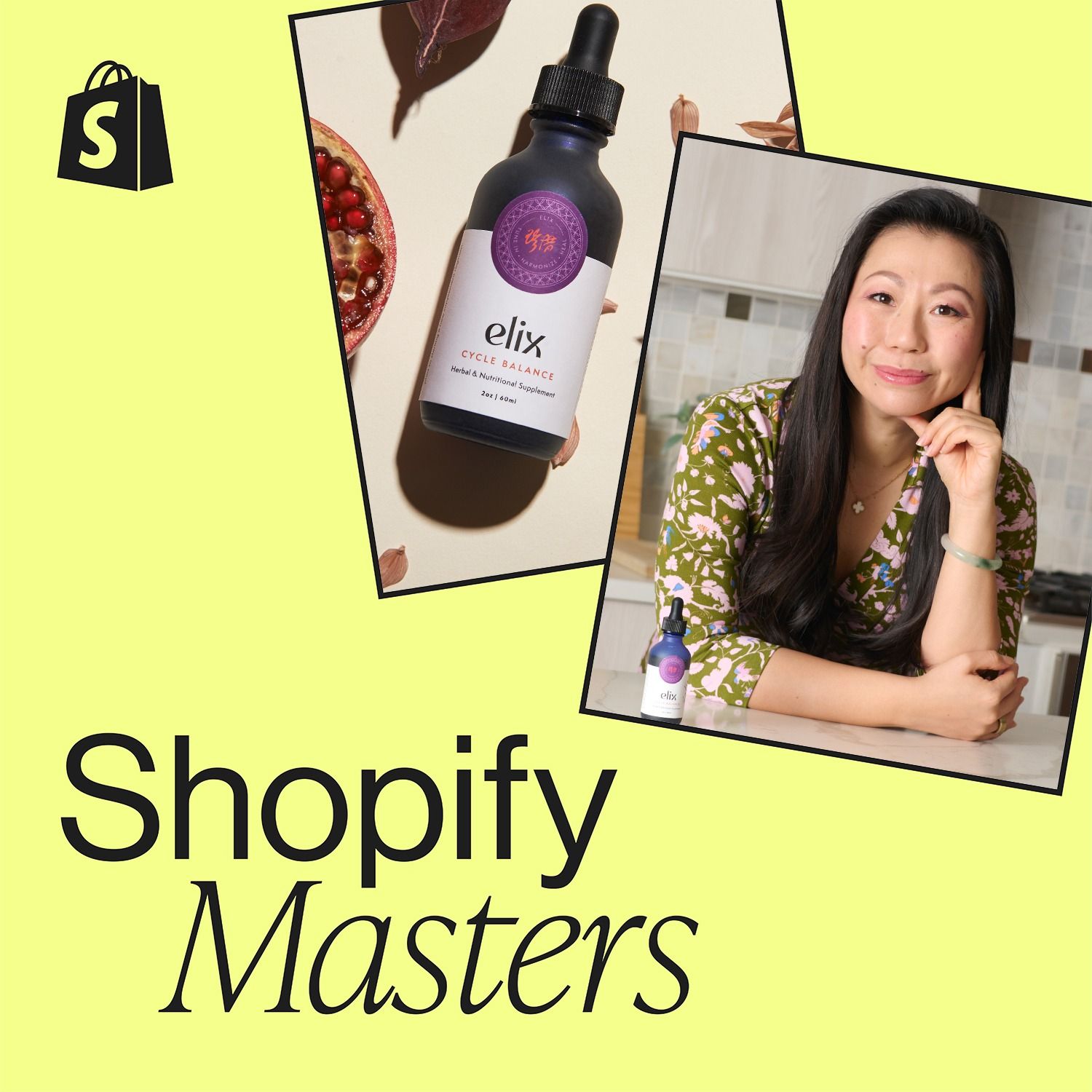
Elix founder Lulu Ge assumed her organic Chinese medicine brand would appeal to an urban, liberal demographic. Instead, she was surprised to find her highest-converting customers were from rural, non-coastal areas, highlighting the danger of demographic assumptions and the broad need for alternative health solutions.
Instead of a one-size-fits-all message, brands should create hyper-relevant content for different demographics (e.g., high school football teams, working moms) on the platforms they use (e.g., TikTok, LinkedIn). This decentralized approach builds a stronger, more resilient brand than a single campaign.
Generic demographic targeting like '18-35 year olds' is ineffective. Instead, develop 30-40 hyper-specific consumer segments based on unique motivations, such as 'a 25-year-old male using wine for dating.' This niche approach makes creative more resonant, helping algorithms find the ideal audience.
Don't dismiss the success of celebrity brands as unattainable. Instead, analyze the core mechanism: massive 'free reach' and 'memory generation.' The takeaway isn't to hire a celebrity, but to find your own creative ways to generate a similar level of organic attention and build a tribe around your brand.
Co-founder Sarah Foster reveals that micro-influencers with authentic, engaged audiences have been far more effective at driving sales than celebrities with millions of followers. This highlights the superior ROI of niche creators who have built genuine trust within their communities, proving reach doesn't always equal results.

To attract a new audience, create content that explicitly calls out your target demographic's specific situations and identifiers. This is more effective than broad content because it makes the audience feel seen and understood, prompting the algorithm to find more people like them.

Instead of focusing on a central brand account, Essentially Sports built over 150 niche social media communities for specific players or teams. They believed that on social platforms, users connect more deeply with their specific fandom than with a broad media company brand.
