Get your free personalized podcast brief
We scan new podcasts and send you the top 5 insights daily.
The founder strategically entered the physical children's book market to avoid competing with heavily funded players in spaces like generative video. He identified a growing segment dominated by non-tech players where parents actively want kids off tablets. This created an opportunity for a tech-enabled, personalized product to win without fighting giants on price.

Related Insights
When evaluating AI startups, don't just consider the current product landscape. Instead, visualize the future state of giants like OpenAI as multi-trillion dollar companies. Their "sphere of influence" will be vast. The best opportunities are "second-order" companies operating in niches these giants are unlikely to touch.

Fal strategically chose not to compete in LLM inference against giants like OpenAI and Google. Instead, they focused on the "net new market" of generative media (images, video), allowing them to become a leader in a fast-growing, less contested space.

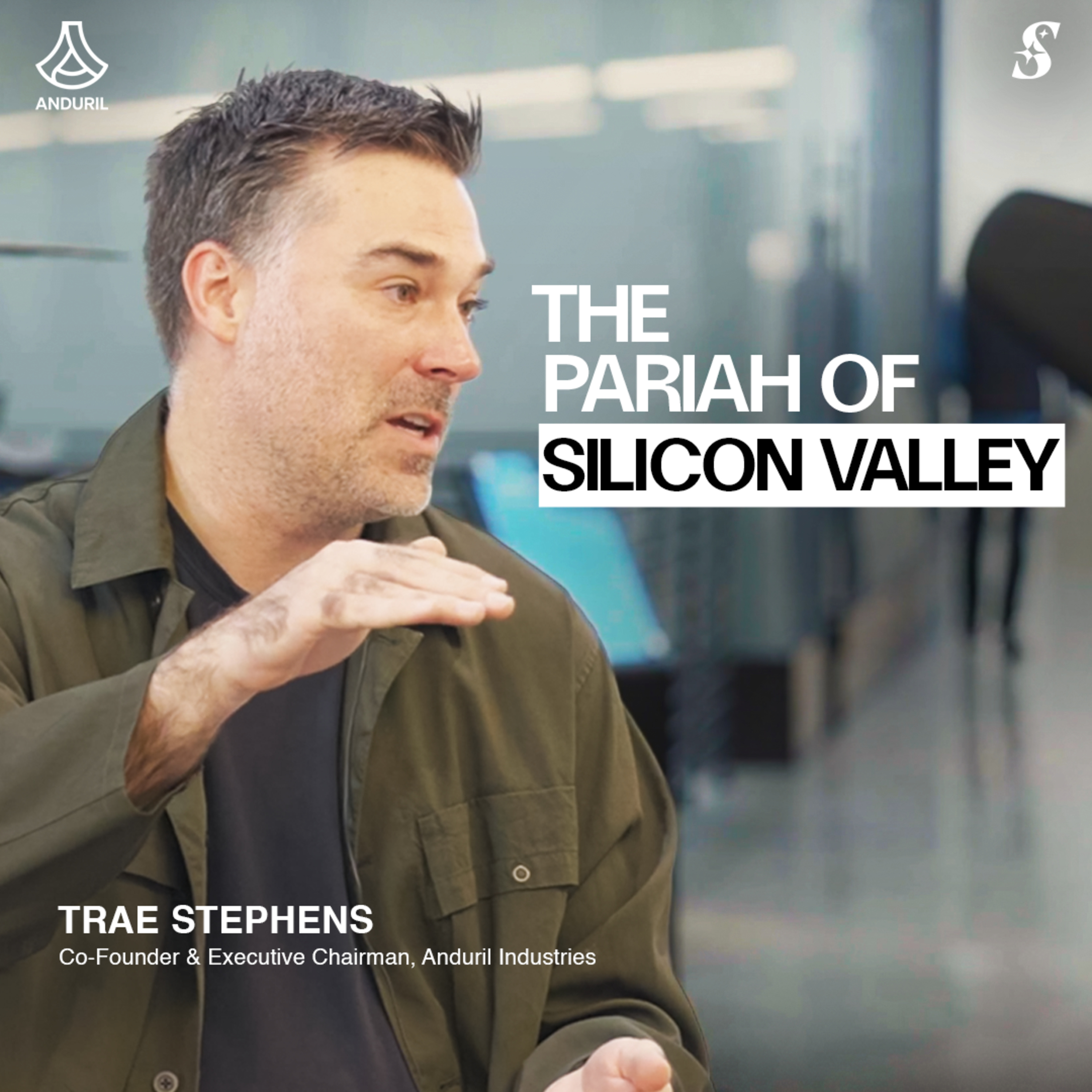
Applying Peter Thiel's "Zero to One" philosophy, Anduril intentionally avoided crowded marketplaces when it launched in 2017. By focusing on a defense sector completely devoid of venture-backed startups, they secured an incredible head start and built a defensible business before competitors emerged.
Fal strategically focused on generative media over LLMs, identifying it as a "net new" market. They reasoned that LLM inference directly competed with Google's core search business—a fight an incumbent would win at all costs. The emergent media market lacked a dominant player, creating a perfect greenfield opportunity for a startup to lead and define.
While competitors focus on scalable AI and digital products, a significant, less-crowded opportunity exists in high-touch, in-person (IRL) experiences. This "anti-trend" approach creates a strong competitive moat and appeals to audiences fatigued by digital overload.

In a competitive landscape, the winning long-term play isn't a marketing land-grab. The founder of Simple AI argues for focusing relentlessly on building the best-in-class product, as sophisticated buyers will compare options and choose the superior technology.

Canva's success wasn't from targeting competitors but from identifying a real market gap through their first niche product (a yearbook tool). When users asked to use the tool for newsletters, it validated a larger, unsolved pain point that Canva then focused on exclusively.

Figma's market initially seemed too small to attract major VC interest or intense competition, giving them space to build a defensible product. Founders can gain a significant advantage by working in overlooked spaces, provided they have genuine passion to sustain them for a decade or more.

Large platforms focus on massive opportunities right in front of them ('gold bricks at their feet'). They consciously ignore even valuable markets that require more effort ('gold bricks 100 feet away'). This strategic neglect creates defensible spaces for startups in those niche areas.

Well-funded startups are pressured by investors to target large markets. This strategic constraint allows bootstrapped founders to outmaneuver them by focusing on and dominating a specific niche that is too small for the venture-backed competitor to justify.
