Get your free personalized podcast brief
We scan new podcasts and send you the top 5 insights daily.
The founder of Cursor likely preferred working for Elon Musk over Mark Zuckerberg, despite Meta also being a logical buyer. This "founder-acquirer fit" and the emotional appeal of landing in a desirable environment can be a critical, often underestimated, factor in high-stakes M&A, especially for founders not purely cash-motivated.

Related Insights
When buying Twitter, Elon Musk signed contracts in his own name, signaling ultimate personal commitment. In contrast, the Ellisons used a legally-shielded revocable trust for their Paramount bid. This reveals how a founder's core psychology and risk tolerance directly shape their high-stakes negotiation and financing strategies.

When meeting Cursor's founder, the investor felt an "electric energy" even as the founder was pivoting away from his original idea. This highlights that for elite early-stage investors, the founder's intrinsic drive and potential are the constant to bet on, as ideas will inevitably change.
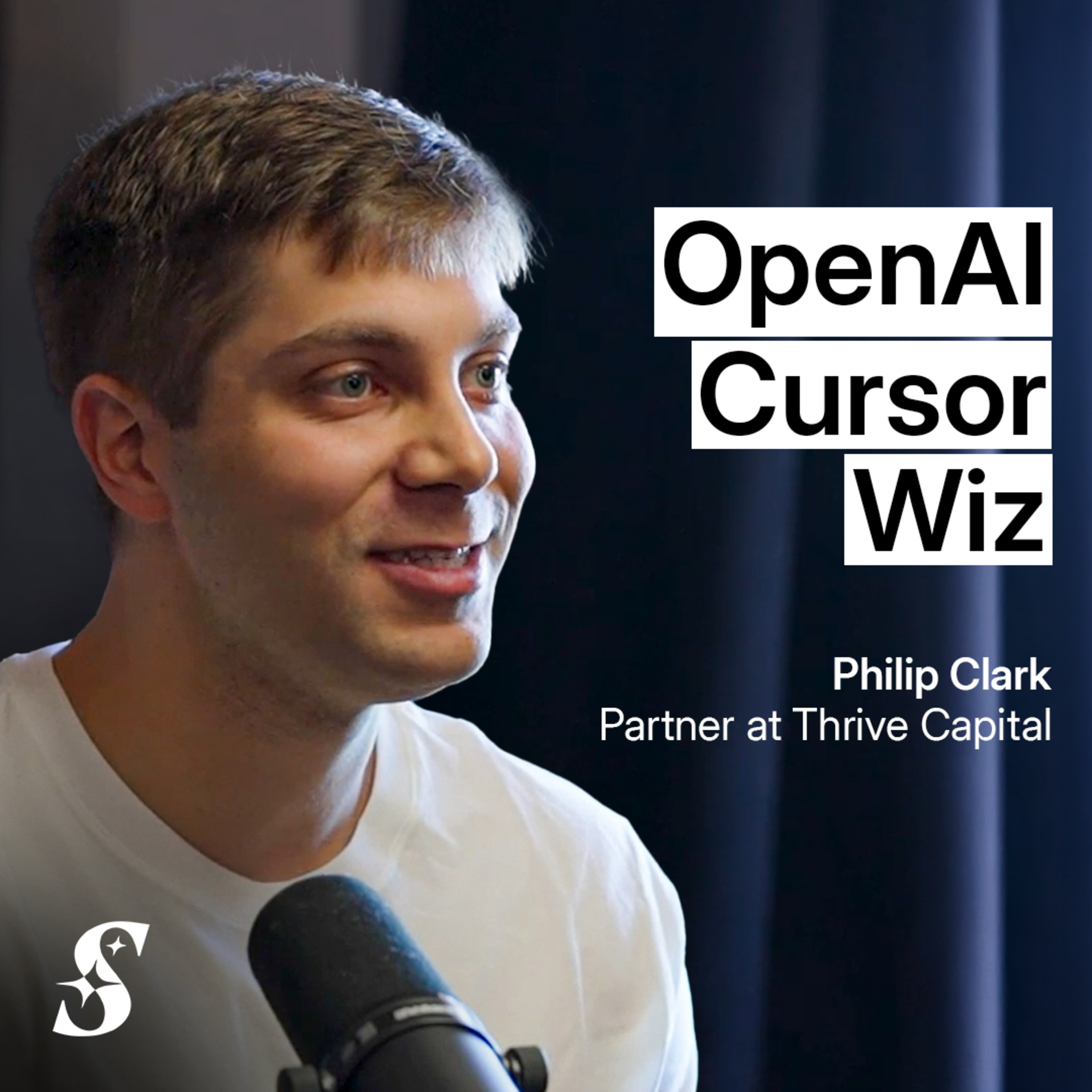
Despite a lucrative $1.2B offer from Stripe, Jack Zhang declined after verbally agreeing. He questioned whether wealth and a five-year lockup as a GM would bring him happiness, deciding that pursuing his own vision as a founder was ultimately more valuable, even if it was a harder path.
In people-based industries, an acquirer's culture is a key differentiator. Founders of target firms will often choose a buyer with a reputation for valuing employees over a higher bid from a private equity firm known for cost-cutting, making culture a tangible competitive M&A advantage.

A deal with two founders was about to sign when the less-committed founder hired an independent valuation firm. The firm provided an unrealistically high valuation, which he used as justification to kill the deal. Acquirers should address founder reluctance early, as emotional attachment can override a logical deal process.

The acquisition of Cursor by SpaceX's AI division was driven as much by Cursor's strong enterprise brand and go-to-market team as by its coding data. This highlights the strategic value of commercial infrastructure, like Fortune 500 relationships and sales teams, in AI M&A.

In an extreme example of tailoring a pitch, one founder identified his most likely acquirer and completely mirrored their brand. He adopted their company values, messaging, and even brand colors on his website. This made the strategic fit so obvious that it led to a successful acquisition.

Despite Meta offering nine-figure bonuses to retain top AI employees, its chief AI scientist is leaving to launch his own startup. This proves that in a hyper-competitive field like AI, the potential upside and autonomy of being a founder can be more compelling than even the most extravagant corporate retention packages.

The Clapp acquisition began when Lemlist's CEO sent a random cold email to the founder. Despite competing against larger companies who bid more, Lemlist won the deal by focusing on product synergies and team fit, proving that a strong relationship and shared vision can be more valuable than the highest offer.

A key to M&A success is creating a founder-friendly environment. Avoid killing entrepreneurial spirit by forcing founders into a rigid matrix organization. Instead, maintain the structures that made them successful and accelerate them by providing resources from the parent company.