Get your free personalized podcast brief
We scan new podcasts and send you the top 5 insights daily.
The US Federal Trade Commission actively discouraged Metsera from accepting a bid from Danish company Novo Nordisk, citing antitrust concerns. This intervention, viewed as an "America First" move, was a decisive factor that allowed the US-based Pfizer to ultimately win the acquisition, signaling geopolitical influence in biopharma M&A.

Related Insights
As traditional economic-based antitrust enforcement weakens, a new gatekeeper for M&A has emerged: political cronyism. A deal's approval may now hinge less on market concentration analysis and more on a political leader’s personal sentiment towards the acquiring CEO, fundamentally changing the risk calculus for corporate strategists.

Pfizer's CEO was named a "Best CEO" not for pipeline success but for effectively managing political pressure from the Trump administration. He made deals that appeased the White House on drug pricing without harming shareholder value, highlighting how a modern pharma CEO's job now heavily involves navigating the political landscape.

A major political overhang on the biotech sector was removed when pharma companies like Lilly and Pfizer made drug pricing deals with the White House but didn't lower their financial guidance. This signaled to Wall Street that the political threat to profitability was manageable, contributing significantly to the market's turnaround.
The U.S. government (via CFIUS) forced Grindr's Chinese owner to sell within one year over national security concerns. This created a distressed, time-sensitive M&A situation with a limited buyer pool, which savvy, non-traditional investors were able to capitalize on.

While patents are important, a pharmaceutical giant's most durable competitive advantage is its ability to navigate complex global regulatory systems. This 'regulatory know-how' is a massive barrier to entry that startups cannot easily replicate, forcing them into acquisition by incumbents.
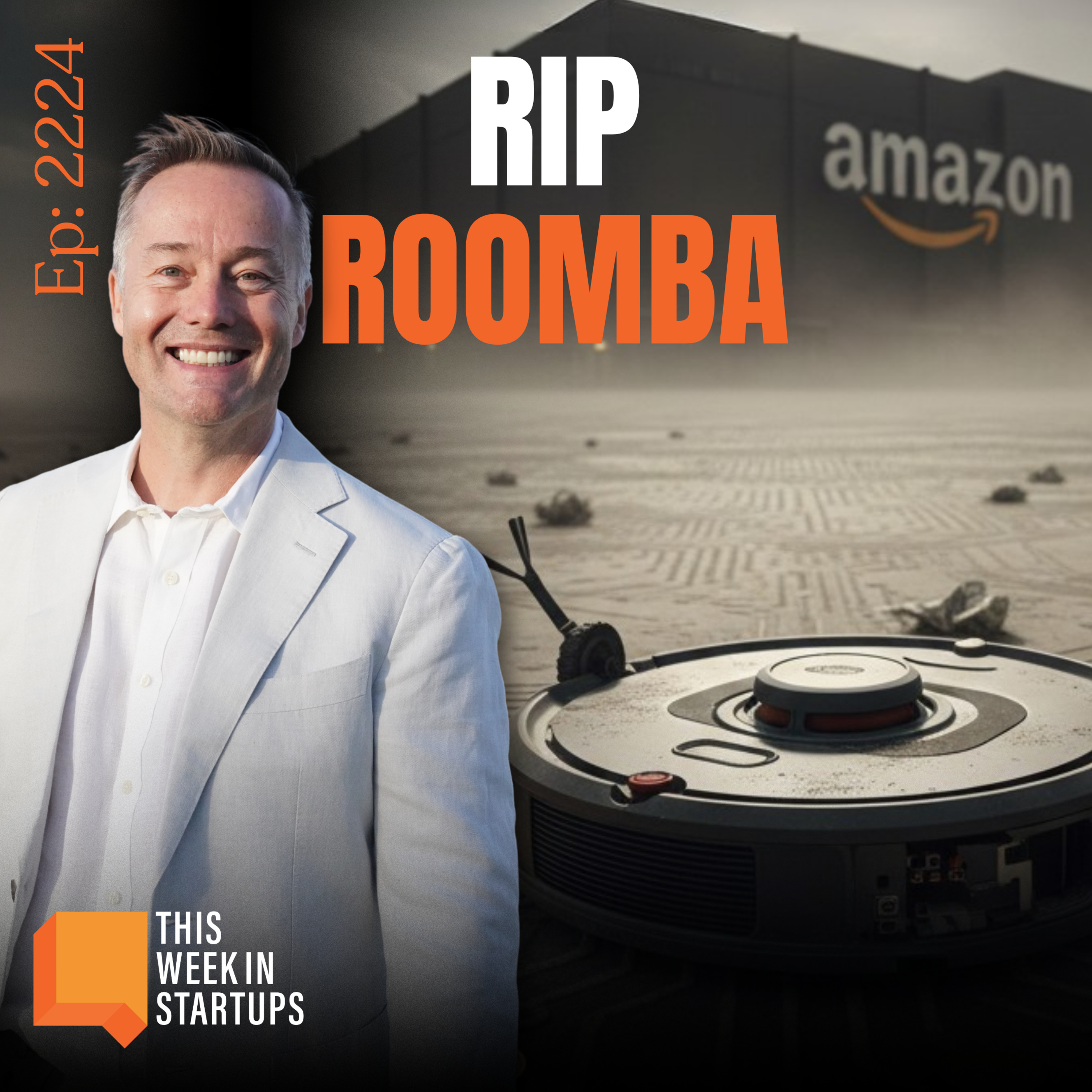
After regulators blocked Amazon’s $1.7B acquisition of iRobot, the robotics company went bankrupt. Its assets and IP were then acquired by its Chinese contract manufacturer, illustrating how antitrust actions intended to protect competition can inadvertently destroy American companies and cede technology to foreign entities.
A proposed government service would allow companies to pay for a pre-vetted antitrust assessment before announcing a merger. This "TSA Pre-Check" for deals would involve independent reports and a public interest test, aiming to streamline the process, reduce political favoritism, and avoid lengthy, uncertain reviews.
Despite US-China tensions threatening innovation, the likely outcome is 'coopetition'—a blend of competition and collaboration—as global pharmaceutical firms navigate the dual imperatives of advancing innovation and ensuring supply chain resilience.

The FTC's concern over Novo's bid for Metsera was based on its dominant 48% share of the narrow GLP-1 market, not the broader obesity therapeutic area. This signals that regulators will scrutinize M&A deals based on mechanism-specific market definitions, creating hurdles for established players seeking to acquire assets in their core classes.
Pfizer increased its offer to match Novo Nordisk's bid not just to meet the price, but to eliminate ambiguity for Metsera's board. By creating an offer with equal financial value but a clearer regulatory path, Pfizer made its bid the only logical choice, effectively removing the decision from Metsera's hands.