Get your free personalized podcast brief
We scan new podcasts and send you the top 5 insights daily.
A major political overhang on the biotech sector was removed when pharma companies like Lilly and Pfizer made drug pricing deals with the White House but didn't lower their financial guidance. This signaled to Wall Street that the political threat to profitability was manageable, contributing significantly to the market's turnaround.

Related Insights
The primary trigger for a biotech stock's rapid upward move is the market anticipating a dramatic shift in its income statement. This "inflection" occurs when successful trial data makes future revenue streams highly probable and quantifiable, changing the entire financial outlook almost overnight.

By negotiating prices down from over $1,000 to as low as $150 per month, the government deal fundamentally shifts Ozempic's market position. It is no longer a high-end luxury akin to plastic surgery but an accessible wellness product comparable to a fancy gym membership, dramatically expanding its addressable market.

Pfizer's CEO was named a "Best CEO" not for pipeline success but for effectively managing political pressure from the Trump administration. He made deals that appeased the White House on drug pricing without harming shareholder value, highlighting how a modern pharma CEO's job now heavily involves navigating the political landscape.
The strong performance of biotech stocks in late 2025 wasn't solely driven by sector-specific news. A significant factor was a macro-level rotation of capital from generalist investors moving money out of cooling AI and tech stocks and into the undervalued healthcare and biotech sectors.
Unlike other sectors, a massive rally in a biotech stock often signals a significant de-risking event, such as positive trial data. This new certainty allows for more confident revenue projections, making it a potentially safer entry point despite the higher price.
To fix the R&D funding imbalance, the CEO proposes a 'one fair price' system. A drug would have one US price with no rebates, and a price in other developed nations would be indexed to their GDP per capita.
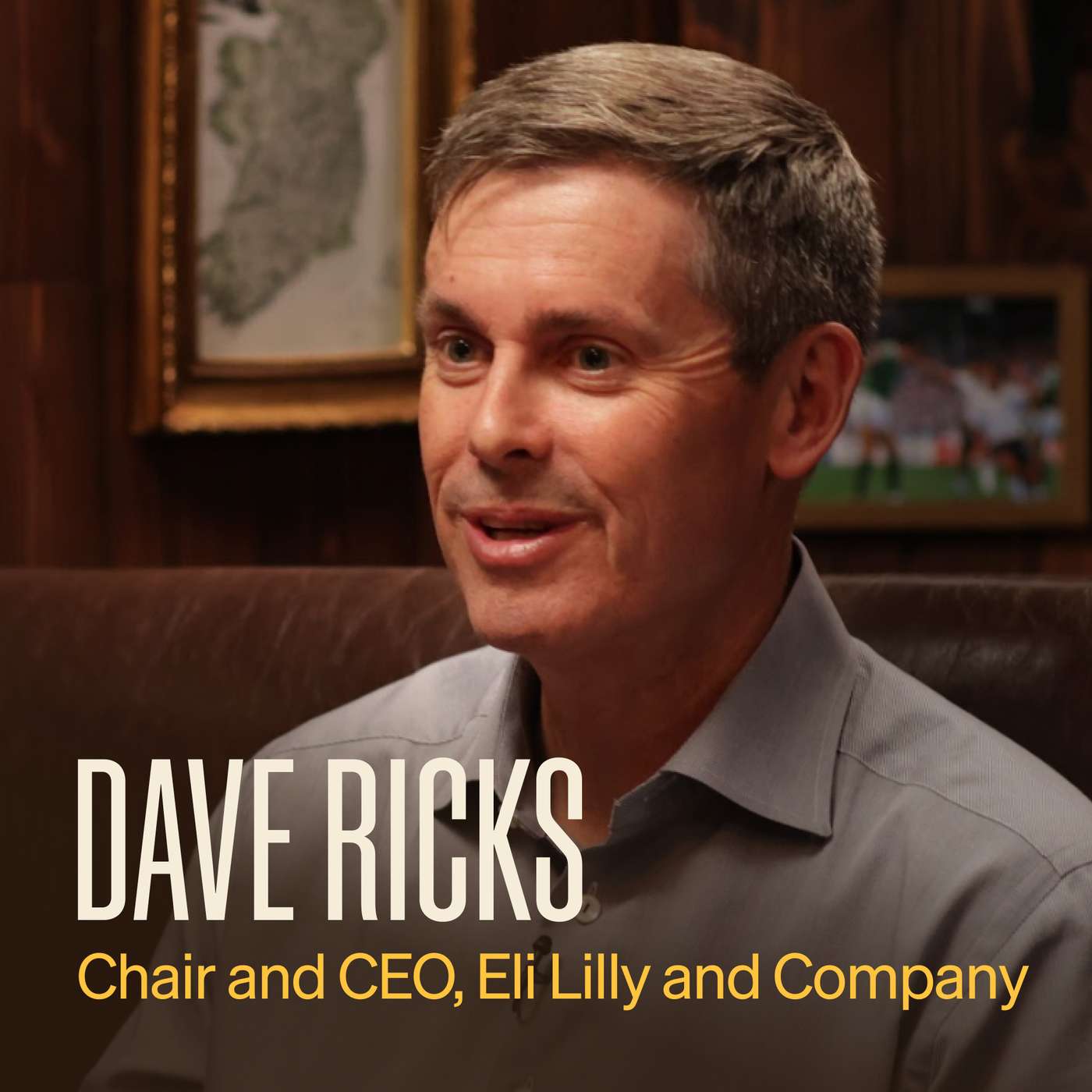
Historically a Democratic focus, drug pricing policy has been co-opted by Republicans, making it a bipartisan political issue. This alignment creates a stable policy overhang and sustained uncertainty around pricing and innovation, deterring generalist investors regardless of which party is in power.

The long-held belief that solving obesity would create immense wealth is now validated by Eli Lilly's $1T market cap, driven by its GLP-1 weight-loss drugs. This marks a significant shift, as the trillion-dollar club was previously dominated by tech and oil companies.

Astute biotech leaders leverage the tension between public financing and strategic pharma partnerships. When public markets are down, pursue pharma deals as a better source of capital. Conversely, use the threat of a public offering to negotiate more favorable terms in pharma deals, treating them as interchangeable capital sources.

The prolonged downturn eliminated weaker competition and forced surviving companies to become financially disciplined. This "cleansing moment" means remaining players face a better competitive landscape and operate with leaner cost structures, setting them up for significant upside as the market recovers.