Get your free personalized podcast brief
We scan new podcasts and send you the top 5 insights daily.
A proposed government service would allow companies to pay for a pre-vetted antitrust assessment before announcing a merger. This "TSA Pre-Check" for deals would involve independent reports and a public interest test, aiming to streamline the process, reduce political favoritism, and avoid lengthy, uncertain reviews.
Related Insights
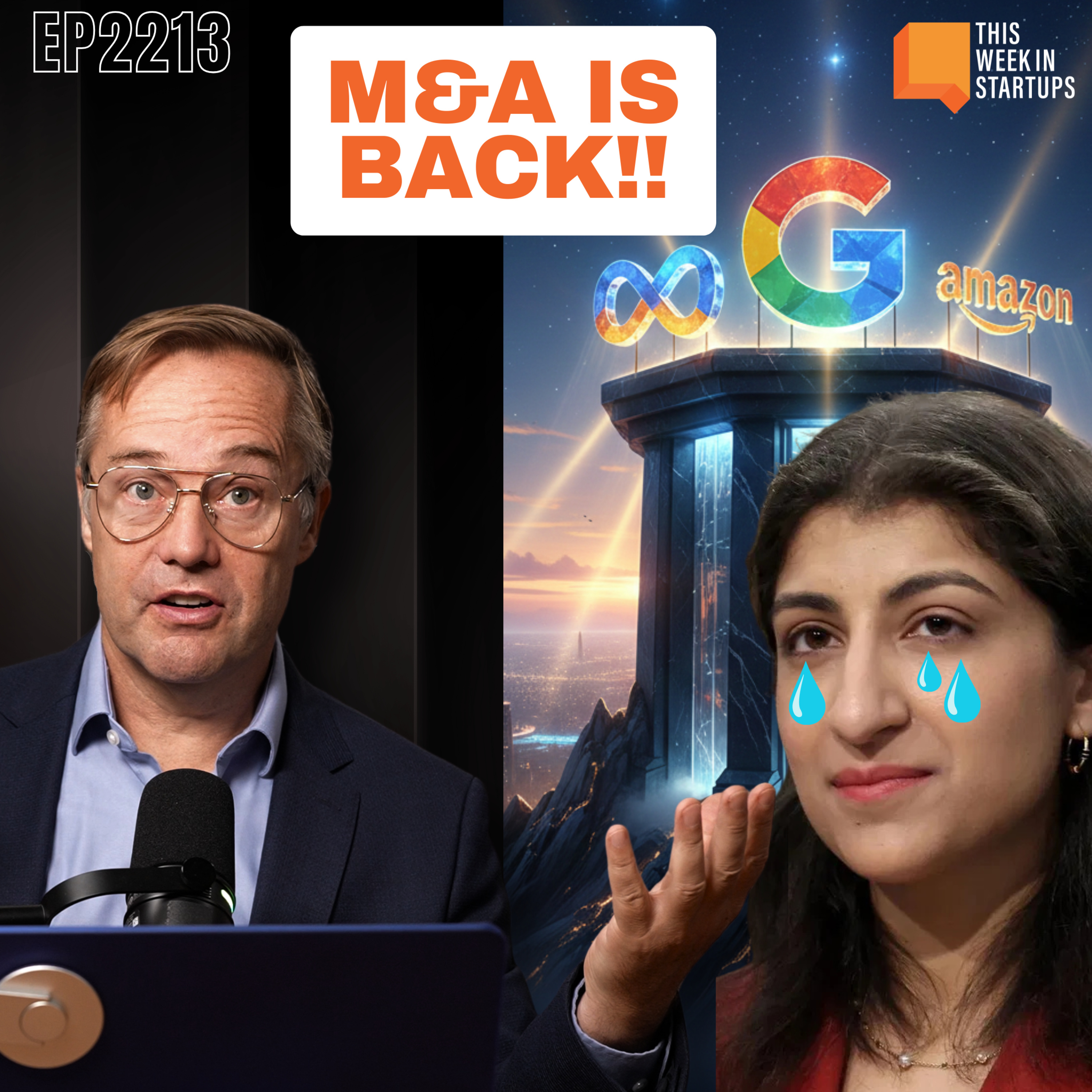
Recent antitrust lawsuits against Meta and Google resulted in minimal consequences ("nothing burgers"), signaling a more permissive regulatory environment. Combined with anticipated economic stimulus, this creates ideal conditions for a wave of large-scale M&A ($25B-$250B) among major tech companies in the coming year.
As traditional economic-based antitrust enforcement weakens, a new gatekeeper for M&A has emerged: political cronyism. A deal's approval may now hinge less on market concentration analysis and more on a political leader’s personal sentiment towards the acquiring CEO, fundamentally changing the risk calculus for corporate strategists.

An antitrust case against a Netflix-Warner Bros. merger is weak if the market is defined as all consumer 'eyeballs,' not just paid streaming. Including massive platforms like YouTube, TikTok, and Instagram, where most people spend their time, creates a landscape of intense competition, undermining monopoly claims.
The Democratic party's focus on antitrust, according to Warren, is not anti-business but fundamentally pro-market. By preventing monopolies, it fosters a competitive environment where companies are forced to continually innovate to succeed, unlike giants who grow complacent and raise prices.

Meta's victory over the FTC's antitrust challenge is not just a legal footnote; it signals the end of a highly restrictive regulatory era. This will likely trigger a massive wave of M&A, as large tech companies are now emboldened to acquire stagnant, late-stage private "unicorns" that have been stuck without an exit path.
To improve federal efficiency beyond partisan politics, Oliver Libby proposes creating a Chief Operating Officer for the U.S. government. Modeled after the long-term, cross-administration tenure of the Fed Chair, this role would focus on making government work better for citizens regardless of who is in power.

By launching a bid for Warner Bros., Netflix CEO Ted Sarandos has ingeniously stalled the market. This move forces all other potential suitors and targets into a holding pattern, as any significant M&A activity must now wait for the outcome of this lengthy regulatory battle, giving Netflix a strategic advantage.
The FTC's failure to prove Meta held a monopoly set a powerful legal precedent, signaling that regulators face a high burden of proof. This has effectively given a green light to large-scale acquisitions, kicking off a "golden age of M&A" as companies feel emboldened to pursue mega-deals without fear of being blocked.

An effective governance model involves successful private sector leaders doing a "tour of duty" in government. This brings valuable, real-world expertise to policymaking. While critics cite conflicts of interest, the benefit is having qualified individuals shape regulations for national benefit, rather than career bureaucrats.
In its hostile takeover bid for Warner Bros., Paramount's key pitch for regulatory approval stems from its financing. The deal is funded by Trump-allied figures like Larry Ellison, Jared Kushner, and Middle Eastern sovereign wealth funds, creating a belief that a potential Trump administration would favor their acquisition over Netflix's.
