Get your free personalized podcast brief
We scan new podcasts and send you the top 5 insights daily.
Daniel Ellsberg's memoir revealed a stark disconnect between sophisticated nuclear strategy developed by civilian analysts and the actual war plans of military commands. Military leaders often dismissed academic theories as irrelevant, creating a dangerous gap between stated policy and operational reality.

Related Insights
The official National Defense Strategy document generates significant debate but is largely symbolic and disconnected from an administration's actual foreign policy decisions. Professionals often waste time analyzing a document that has little real-world impact on guiding decisions.

Modern militaries often define success by tactical objectives like destroying targets, rather than achieving broader political aims. This creates a dangerous gap where battlefield wins can lead to strategic losses, as seen in conflicts where the ultimate political objectives remained muddled and unachieved.
Leaders and military planners consistently fall for the "short war fallacy" because planning for protracted conflicts is politically unpalatable and requires immense economic mobilization that societies are unwilling to undertake. The hope for a quick, decisive victory is an institutional bias.
Frank Kendall was shocked to find that major decisions on new military programs were often made "by the seat of our pants" based on a four-star general's preference. This lack of rigorous, data-driven operational analysis leads to suboptimal investments and wasted billions, a problem he tried to fix by elevating the analysis organization.

While fears focus on tactical "killer robots," the more plausible danger is automation bias at the strategic level. Senior leaders, lacking deep technical understanding, might overly trust AI-generated war plans, leading to catastrophic miscalculations about a war's ease or outcome.
AI experts who understand emerging technologies lack deep knowledge of nuclear deterrence strategy. Conversely, the nuclear policy community is not fully versed in frontier AI. This knowledge gap hinders accurate risk assessment and the development of sound policy.

A critical failure in civil-military relations occurred when President Trump confused General Cain's distinct tactical points—such as operational difficulties versus the US's large bomb supply—as a coherent strategic plan. He believed the latter observation canceled out the former, leading to a flawed decision-making process based on a misunderstanding of military advice.
A leader's bombastic, civilization-ending rhetoric often serves as a distraction from the military's actual strategy. While Trump threatened to "wipe out" Iran, the US military was simultaneously conducting a targeted strike, showing a disconnect between public posturing and operational reality.
Public fear focuses on AI hypothetically creating new nuclear weapons. The more immediate danger is militaries trusting highly inaccurate AI systems for critical command and control decisions over existing nuclear arsenals, where even a small error rate could be catastrophic.
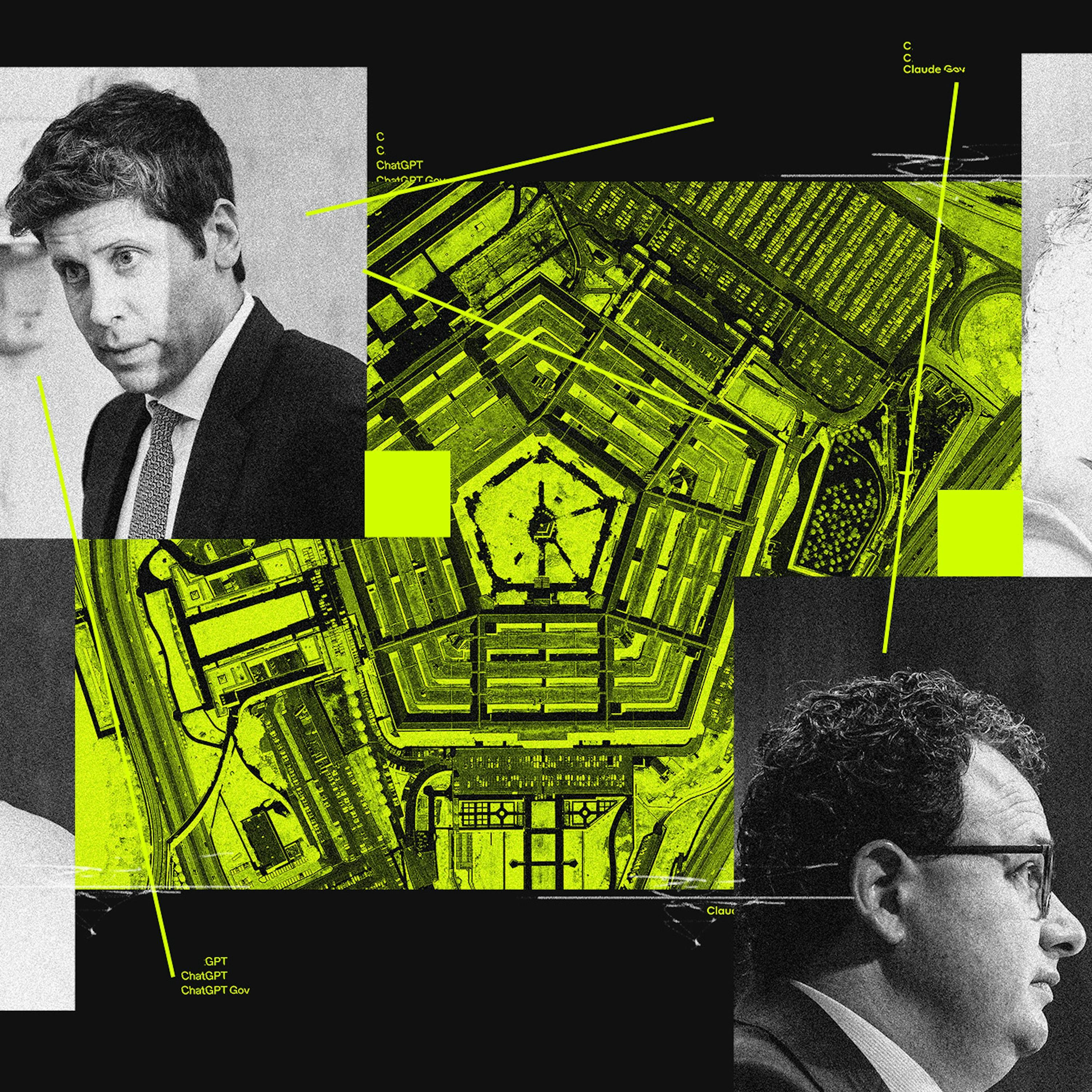
When the White House first proposed a policy against using AI for nuclear launch decisions in 2021, DOD officials found it strange. This highlights the incredible speed at which AI's strategic risks have moved from fringe concerns to central policy debates in just a few years.