Get your free personalized podcast brief
We scan new podcasts and send you the top 5 insights daily.
When the White House first proposed a policy against using AI for nuclear launch decisions in 2021, DOD officials found it strange. This highlights the incredible speed at which AI's strategic risks have moved from fringe concerns to central policy debates in just a few years.

Related Insights
The military's primary incentive is to use weapons that are effective and reliable, as soldiers' lives depend on it. This inherent conservatism acts as a strong filter against deploying unproven or unpredictable AI systems, making them slower, not faster, to adopt bleeding-edge technology in life-or-death situations.
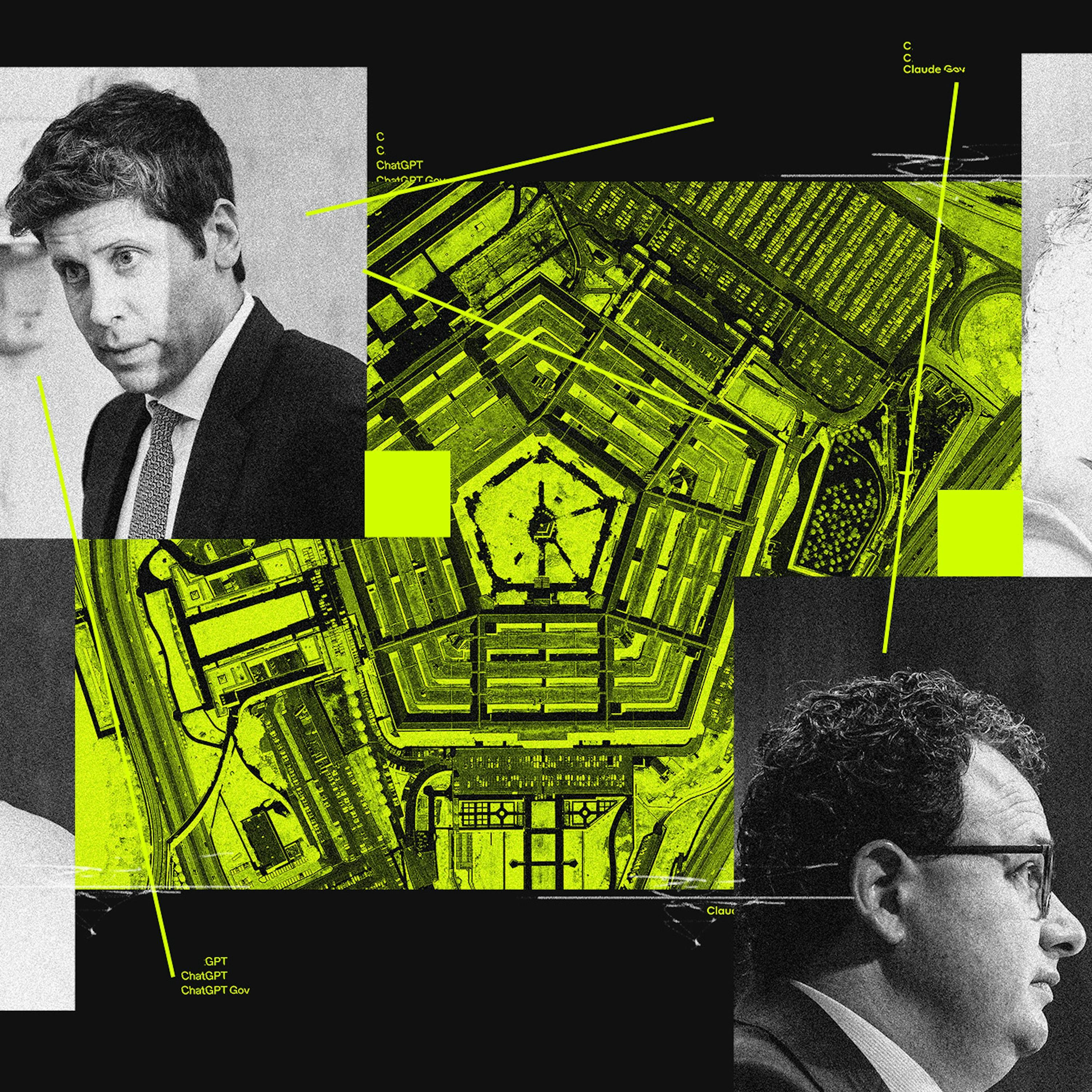
The standoff between Anthropic and the Pentagon marks the moment abstract discussions about AI ethics became concrete geopolitical conflicts. The power to define the ethical boundaries of AI is now synonymous with the power to shape societal norms and military doctrine, making it a highly contested and critical area of national power.

A global AI safety regime should learn from nuclear arms control by focusing on the physical infrastructure that enables strategic capabilities. Instead of just seeking promises, it should aim to control access to chokepoints like advanced chip manufacturing and the massive data centers required for frontier models.
The joint statement on keeping humans in control of nuclear weapons is a significant diplomatic achievement demonstrating shared intent. However, it's not a binding agreement, and the real challenge is verifying this commitment, which is difficult given the secrecy surrounding military AI integration.
While the US military opposes bans on autonomous 'killer robots' for conventional warfare, it maintains a firm 'human-in-the-loop' policy for nuclear launch decisions. This reveals a strategic calculation: the normative value of preventing autonomous nuclear use outweighs any marginal benefit, a line not drawn for conventional systems.
AI experts who understand emerging technologies lack deep knowledge of nuclear deterrence strategy. Conversely, the nuclear policy community is not fully versed in frontier AI. This knowledge gap hinders accurate risk assessment and the development of sound policy.

The popular scenario of an AI taking control of nuclear arsenals is less plausible than imagined. Nuclear Command, Control, and Communication (NC3) systems are profoundly classified and intentionally analog, precisely to prevent the kind of digital takeover an AI would require.

Public fear focuses on AI hypothetically creating new nuclear weapons. The more immediate danger is militaries trusting highly inaccurate AI systems for critical command and control decisions over existing nuclear arsenals, where even a small error rate could be catastrophic.
Contrary to the 'killer robots' narrative, the military is cautious when integrating new AI. Because system failures can be lethal, testing and evaluation standards are far stricter than in the commercial sector. This conservatism is driven by warfighters who need tools to work flawlessly.

Recent studies pitting AI agents (like Claude and GPT) against each other in geopolitical simulations found them substantially more prone to escalating conflicts to the nuclear level. This suggests that current AI models may not adequately weigh the catastrophic political nature of nuclear use compared to human decision-makers.