Get your free personalized podcast brief
We scan new podcasts and send you the top 5 insights daily.
The official National Defense Strategy document generates significant debate but is largely symbolic and disconnected from an administration's actual foreign policy decisions. Professionals often waste time analyzing a document that has little real-world impact on guiding decisions.

Related Insights
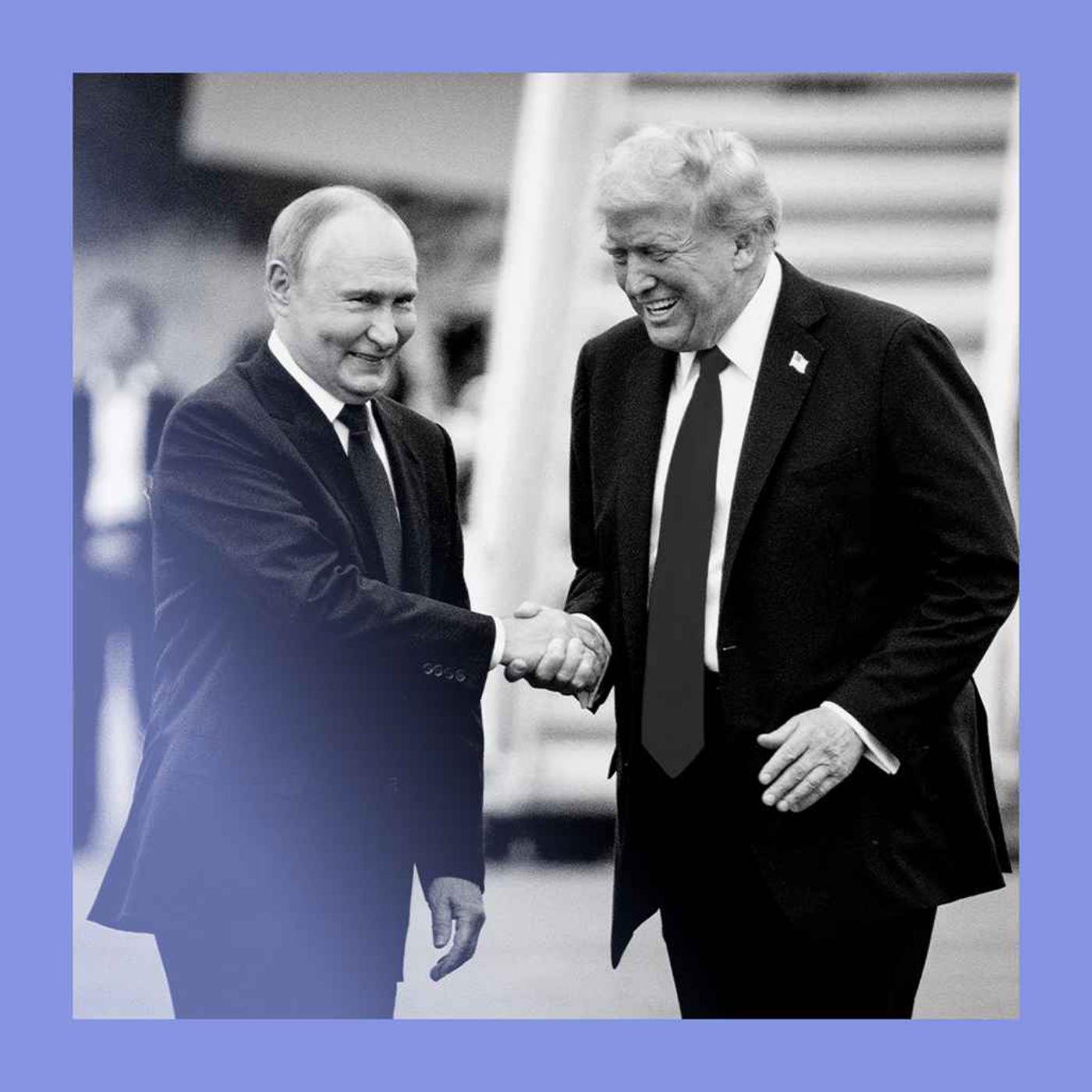
The 2018 NDS was praised for pivoting to great power competition, naming Russia as a top threat. This made the document inherently dishonest, as it represented the Pentagon's consensus while completely contradicting President Trump's well-known admiration for Vladimir Putin.
Politicians predictably declare initiatives for domestic production of critical goods like munitions or rare earths when dependencies are exposed. However, these declarations rarely translate into effective action, suggesting we must learn to manage economic entanglement as a form of mutual deterrence rather than wish it away.

The most effective strategist is not the one who creates the most comprehensive plan, but the one who can distill that complexity into a simple, executable essence. A 200-page strategy is worthless if the cross-functional team cannot easily understand and act on it. True strategic work is in simplification.

In the current political environment, foreign policy decisions like military strikes can be driven less by strategic objectives and more by their value as 'memes' or content. The primary goal becomes looking 'cool as fuck' and projecting strength, rather than achieving a tangible outcome.
Trump's direct, aggressive actions often achieve immediate goals (first-order consequences). However, this approach frequently fails to anticipate the strategic, long-term responses from adversaries like China (second and third-order consequences), potentially creating larger, unforeseen problems down the road.

The Department of Defense (DoD) doesn't need a "wake-up call" about AI's importance; it needs to "get out of bed." The critical failure is not a lack of awareness but deep-seated institutional inertia that prevents the urgent action and implementation required to build capability.

Despite an administration staffed by veterans weary of foreign entanglements, the U.S. has amassed its largest military force in the Caribbean since the Cuban Missile Crisis. This contradiction highlights a deep strategic incoherence, which the speaker calls a "strategic cacophony," making it difficult to formulate consistent national policy.

The administration's interest in buying Greenland is strategically nonsensical given the U.S. already has full military access and a strong alliance with Denmark. The move, justified by vague psychological needs, suggests major foreign policy decisions are being driven by personal impulse rather than coherent geopolitical strategy, needlessly risking key alliances like NATO.

Despite its official status, the new National Security Strategy's significance is debated within Washington. Some administration insiders believe the document is an ideological statement that will be "forgotten in weeks," with its actual implementation dependent on the president's whims and the influence of key advisors.
A former White House advisor noted that the core theories behind major policies are often well-established. The true challenge and critical skill is navigating the complex government process—the interagency meetings and procedures—to translate an idea into official action.
