Get your free personalized podcast brief
We scan new podcasts and send you the top 5 insights daily.
If the AfD fails to form a government, a quirk in the law of Saxony-Anhalt could create an indefinite stalemate. The law has no time limit for electing a new minister president, meaning the defeated incumbent could continue as an acting leader, effectively nullifying the election result for a prolonged period.

Related Insights
Liberal parties like the People's Party can win elections but are systematically blocked from governing. The Thai establishment uses the constitutional court to dissolve these parties and ban their leaders, leading many voters to doubt if their vote for liberal change can ever succeed.
Benjamin Netanyahu's political survival doesn't solely depend on winning a majority. A key advantage is the high probability that the opposition, even with more collective seats, will struggle to form a stable governing coalition, potentially allowing him to remain in power.
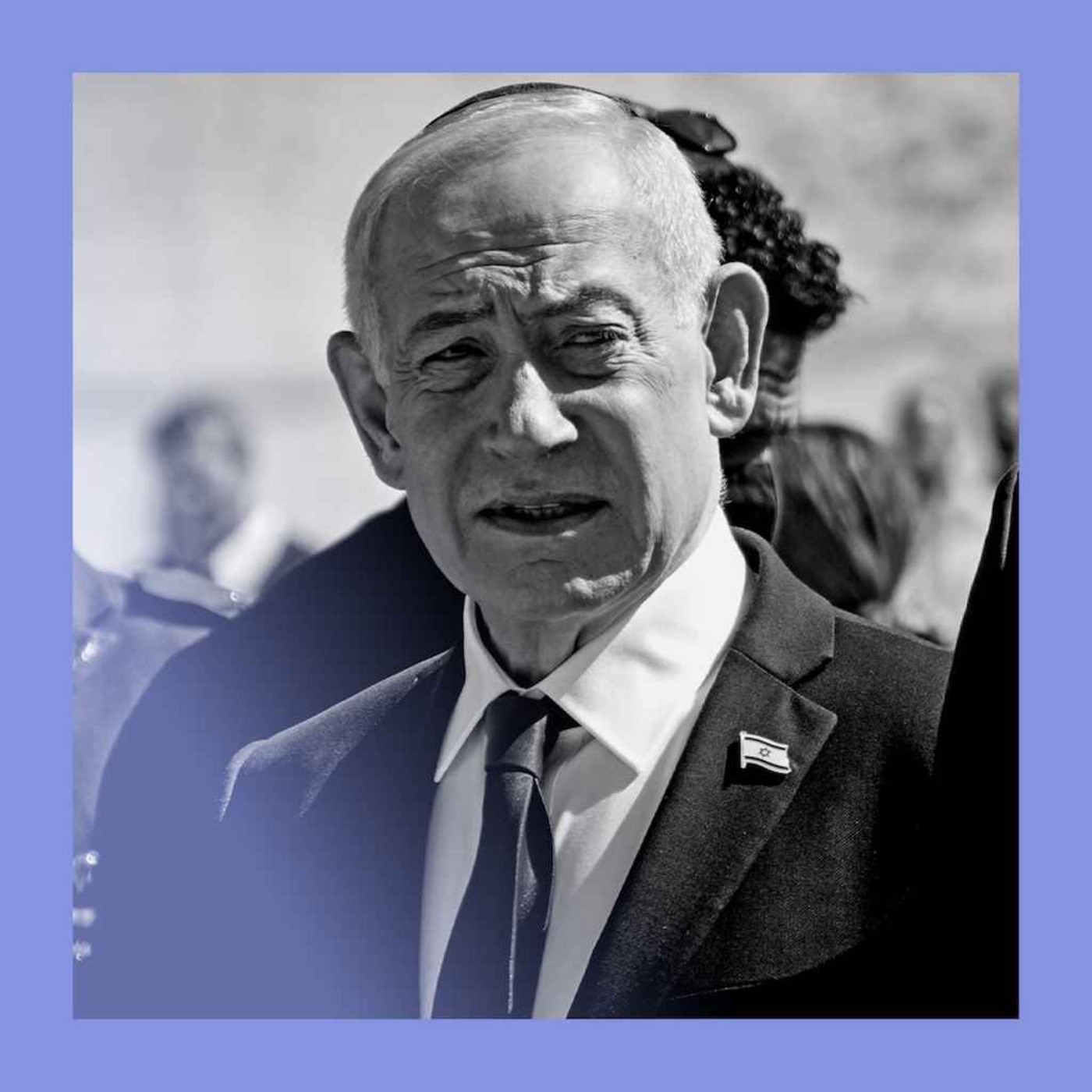
The electoral success of Germany's far-right AFD party creates a political paradox. Since no mainstream party will form a coalition with them, traditional rivals like the conservative CDU and far-left Die Linke may be forced to cooperate to form governments, despite their mutual animosity.

Germany's far-right AfD party may be able to form a government thanks to the BSW, a populist-left party. The BSW is the only party that has not ruled out working with the AfD, potentially on shared interests like easing sanctions on Russia. This unusual potential alliance could enable the AfD to take power.
Mainstream German parties refuse to form coalitions with the far-right AfD. While this keeps the AfD from power, it also removes any incentive for them to moderate, potentially encouraging radicalization and leading to legislative gridlock among centrist parties.

Polling suggests Israel's diverse opposition parties could secure a parliamentary majority. However, their deep ideological divisions make forming a stable governing coalition a significant challenge. This fragmentation creates a path for the politically skillful Netanyahu to retain power even after a numerical loss.
Mainstream German parties have long excluded the far-right AfD from power through a "Brandmauer," a pact not to form coalitions. However, the AfD now has a genuine chance to win an outright majority in a state election, bypassing this political firewall for the first time.
Facing a potential AfD victory, German institutions are not just waiting to react. They are proactively altering rules, such as how judges are elected, and planning to exclude AfD officials from sensitive security briefings, representing a pre-emptive institutional defense against a democratically elected party.
When a leader faces severe legal and personal consequences upon leaving office, the rational choice becomes prolonging a crisis. War provides a pretext for emergency powers and suspending elections, a dynamic observed in Ukraine.

Some strategists quietly advocate letting the far-right AfD govern, betting they will fail due to incompetence and lack of funds, thus destroying their appeal. However, voters in the affected state strongly reject this high-stakes gamble, refusing to be a "testing ground" for a political experiment they would have to endure daily.