Get your free personalized podcast brief
We scan new podcasts and send you the top 5 insights daily.
Mainstream German parties refuse to form coalitions with the far-right AfD. While this keeps the AfD from power, it also removes any incentive for them to moderate, potentially encouraging radicalization and leading to legislative gridlock among centrist parties.

Related Insights
Unlike established systems with clear rules (like Christianity), the modern left operates on "vague vibes" of ideological purity. This lack of a self-regulation mechanism creates a constant pressure to prove loyalty through extremism. As standards escalate, anyone who could provide a moderating influence is purged, leading to an endless cycle of radicalization.

The most significant threat to a political ideology comes not from the opposing party, but from the 'lunatics' on its own side. These extreme factions can make the entire group appear foolish and unreasonable, doing more damage to their credibility than any opponent ever could.

A destructive political pattern emerges where one party's well-intentioned but poorly executed policies (e.g., DEI initiatives) are used by the opposition as justification for a disproportionately extreme and damaging 'nuclear' response. This escalatory cycle benefits demagogues and harms effective governance.

A savvy political strategy involves forcing opponents to publicly address the most extreme statements from their ideological allies. This creates an impossible purity test. No answer is good enough for the fringe, and any attempt to placate them alienates the mainstream, effectively creating a schism that benefits the opposing party.

Attempts to shut down controversial voices often fail. Instead of disappearing, suppressed ideas can fester and become more extreme, attracting an audience drawn to their defiance and ultimately strengthening their movement.

A new US national security document signals a radical foreign policy shift. It explicitly states the US will support "right wing, far right and populist right parties" in Europe that align with its anti-immigration stance, effectively interfering in the domestic politics of allied nations to promote a "MAGA like" Europe.
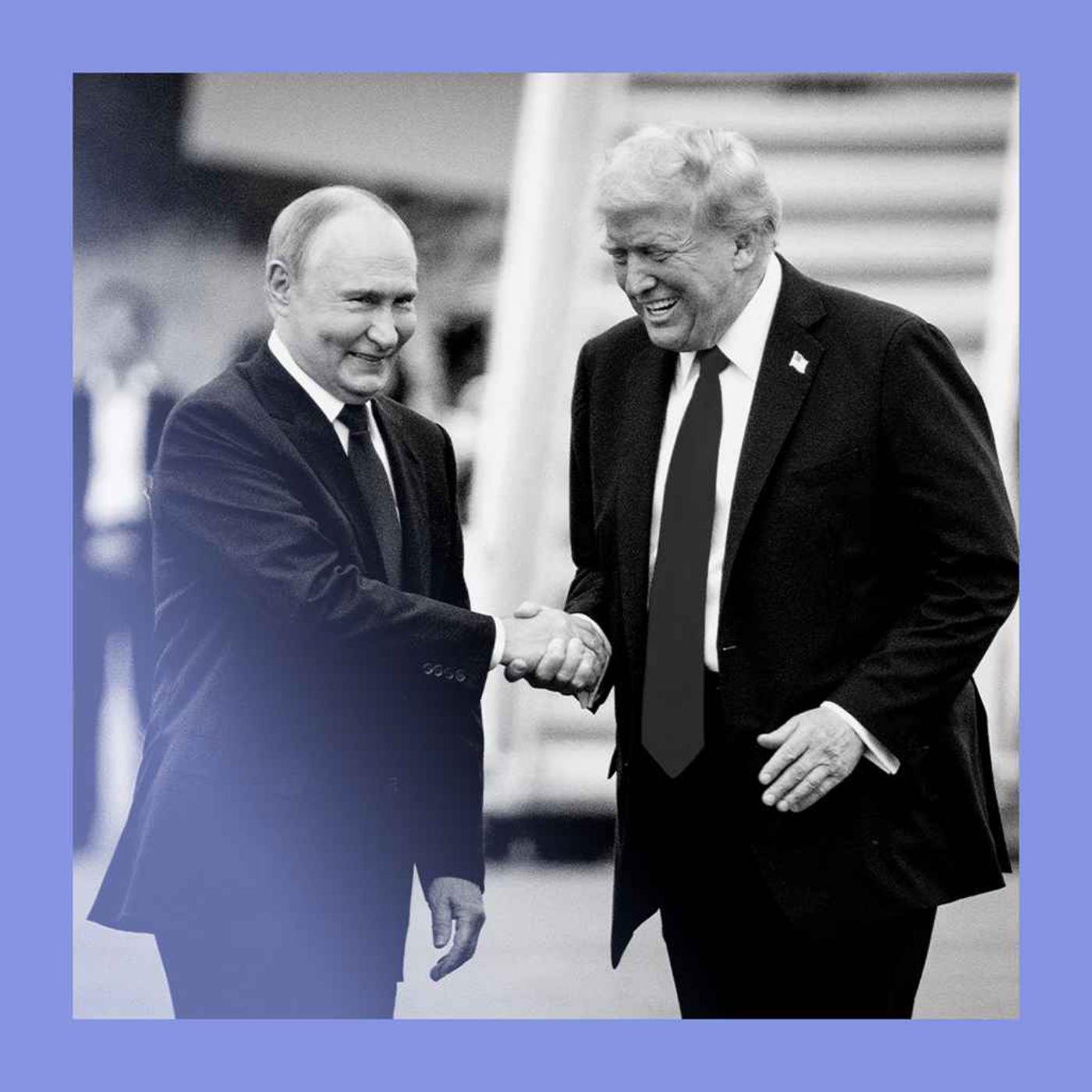
In times of extreme polarization, the political middle is not a safe haven but a kill zone. Moderates are targeted by both sides because they have no tribe to defend them. The escalating cost of neutrality forces everyone to pick a side, eliminating compromise and accelerating conflict.

A recurring political pattern involves well-intentioned progressive policies being implemented without regard for practical consequences (e.g., border management). This creates a political vacuum and public frustration that the far-right exploits, leading to a severe, often cruel, overcorrection that dismantles both the flawed policy and underlying positive intentions.

Using the 'horseshoe theory,' the analysis posits that the far-left and far-right often meet on extreme issues, such as antisemitism. This convergence serves as a critical litmus test for dangerous ideas. When ideologies from opposite ends of the spectrum align, it signals a significant societal risk.

In France, centrist parties are trapped. Treating the populist National Rally as a pariah has failed to stop its growth. Conversely, treating it as a respectable political opponent has also boosted its popularity, creating a strategic dead-end for the mainstream.