Get your free personalized podcast brief
We scan new podcasts and send you the top 5 insights daily.
Defense prime Anduril pitches its adoption of Dirac's AI-powered manufacturing software directly to government customers. This demonstrates a technologically advanced and efficient production process, building confidence and acting as a sales accelerant. It shows customers not just what Anduril builds, but *how* it builds, which has become a key differentiator.

Related Insights
Unlike traditional contractors paid for hours, Anduril invests its own capital to build products it believes the government needs. This model incentivizes speed and effectiveness, as profit is tied to successful products, not billable hours. This shifts the financial risk from the taxpayer to the company.
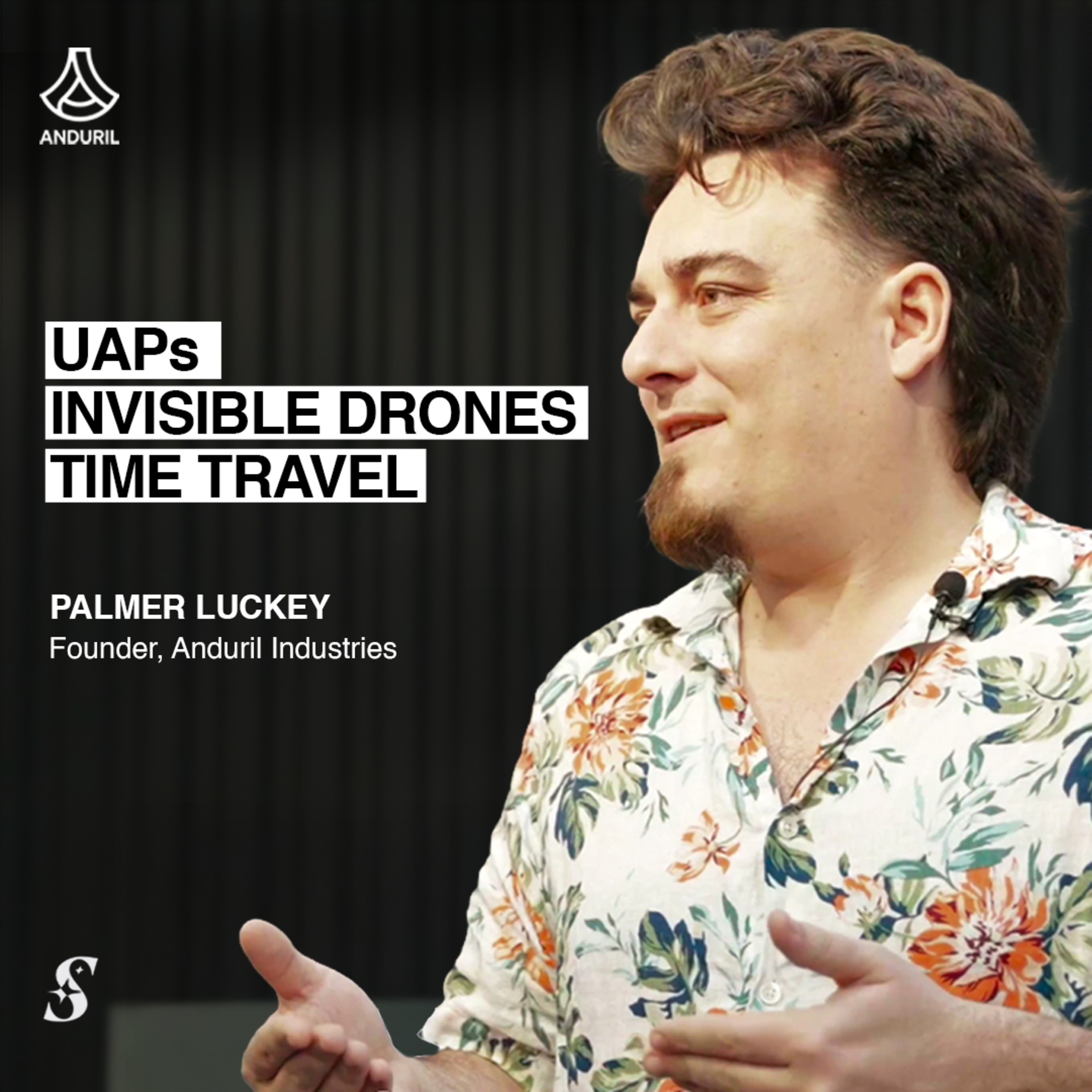
Despite building large physical systems like drones, Anduril's co-founder states their core competency and original vision is software. They are a "software-defined and hardware-enabled" company, which fundamentally differentiates their approach from traditional defense contractors who are the opposite.
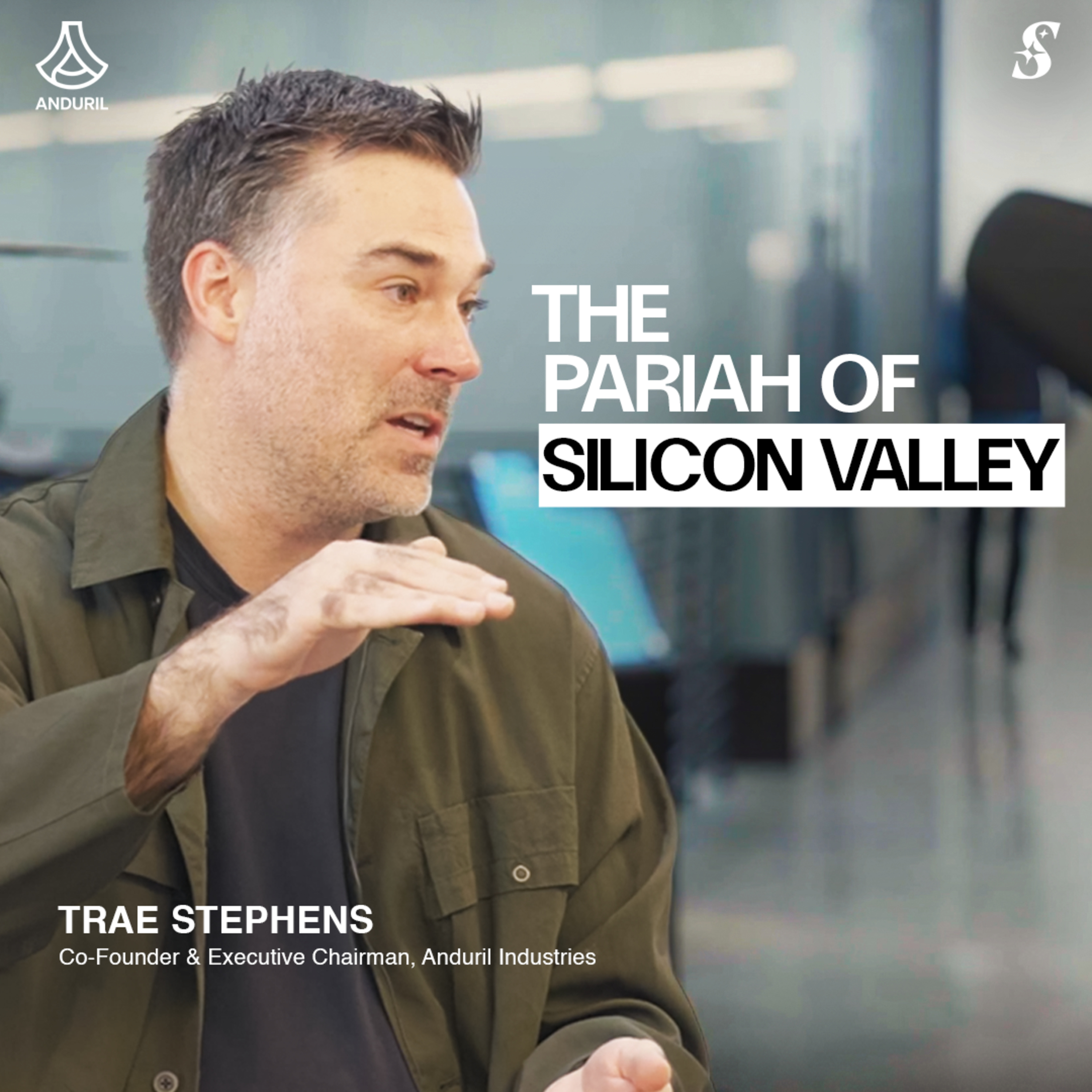
Unlike traditional contractors paid for time and materials, Anduril invests its own capital to develop products first. This 'defense product company' model aligns incentives with the government's need for speed and effectiveness, as profits are tied to rapid, successful delivery, not prolonged development cycles.

Many defense startups fail despite superior technology because the government isn't ready to purchase at scale. Anduril's success hinges on identifying when the customer is ready to adopt new capabilities within a 3-5 year window, making market timing its most critical decision factor.

Anduril gained a significant advantage by leveraging its co-founders' experiences from Palantir. Instead of repeating the same decade-long learning curve of selling to the government, they started with a fully formed strategy, avoiding common pitfalls and accelerating their growth from day one.
The decisive advantage in future conflicts will not be just technological superiority, but the ability to mass-produce weapons efficiently. After decades of offshoring manufacturing, re-industrializing the US to produce hardware at scale is Anduril's core strategic focus, viewing the factory itself as the ultimate weapon.
While pursuing a long-term research goal, the company's commercial strategy is to build AI co-pilots and intelligence layers for R&D workflows in established industries like space and defense. This approach productizes intermediate progress and targets massive existing R&D budgets.

Unlike mass manufacturers, defense tech requires flexibility for a high mix of low-volume products. Anduril addresses this by creating a core platform of reusable software, hardware, and sensor components, enabling fast development and deployment of new systems without starting from scratch.
The go-to-market strategy for defense startups has evolved. While the first wave (e.g., Anduril) had to compete directly with incumbents, the 'Defense 2.0' cohort can grow much faster. They act as suppliers and partners to legacy prime contractors, who are now actively seeking to integrate their advanced technology.

Anduril isn't looking to acquire and fix struggling defense startups. Their acquisition sweet spot is a company with a strong engineering team and a unique product that is struggling with go-to-market. Anduril provides the capital and, more importantly, the infrastructure (legal, government relations, sales) to accelerate an already-great product.