Get your free personalized podcast brief
We scan new podcasts and send you the top 5 insights daily.
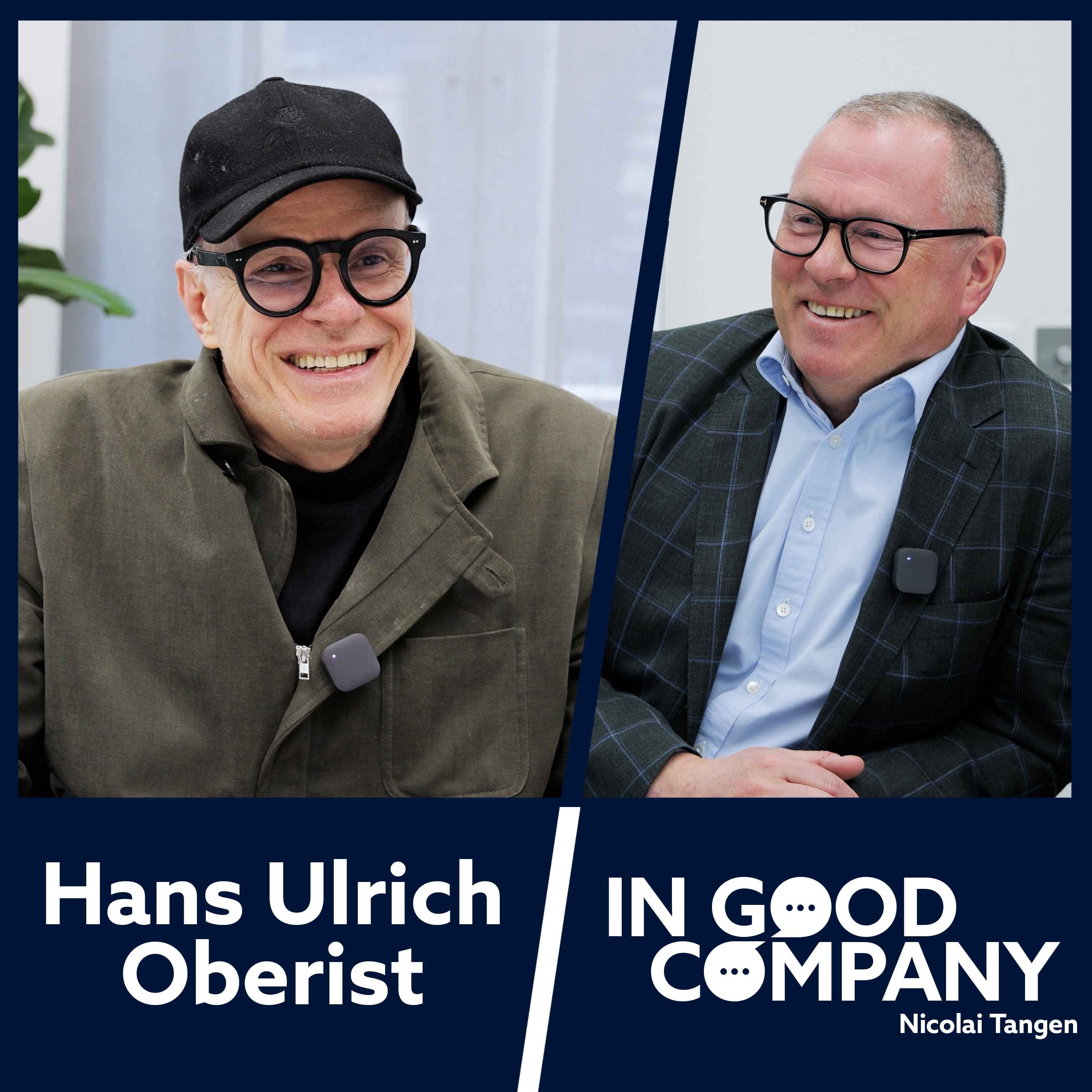
Artists are experts at pivoting and working with questions rather than answers. Obrist suggests businesses should embed artists on their boards or as residents. Their comfort with ambiguity can provide a unique perspective for navigating an unpredictable future, a skill traditional business often lacks.
Related Insights
To maintain speed and agility in a global, always-on marketing environment, the most critical mechanism is hiring 'modern creative thinkers' who are comfortable with ambiguity. These individuals see incomplete information as an opportunity and can make decisions with only 70% of the facts, a crucial skill for rapid execution.

Hans Ulrich Obrist consistently asks creators about their unrealized projects. This question bypasses the limitations of their daily work to reveal their deepest ambitions, utopias, and self-censored ideas. It's a powerful tool for understanding true potential in any field.
Top art curator Hans Ulrich Obrist adopts writer J.G. Ballard's term "junction maker" to describe his role. This framing shifts focus from merely managing a domain to actively creating novel intersections between ideas, people, and projects, which is the core of his practice.
Contrary to stereotypes, the best creative leaders possess a strong understanding of business mechanics. They use this knowledge not just for operational success, but as a crucial tool to protect their creative vision and build a robust, defensible enterprise.

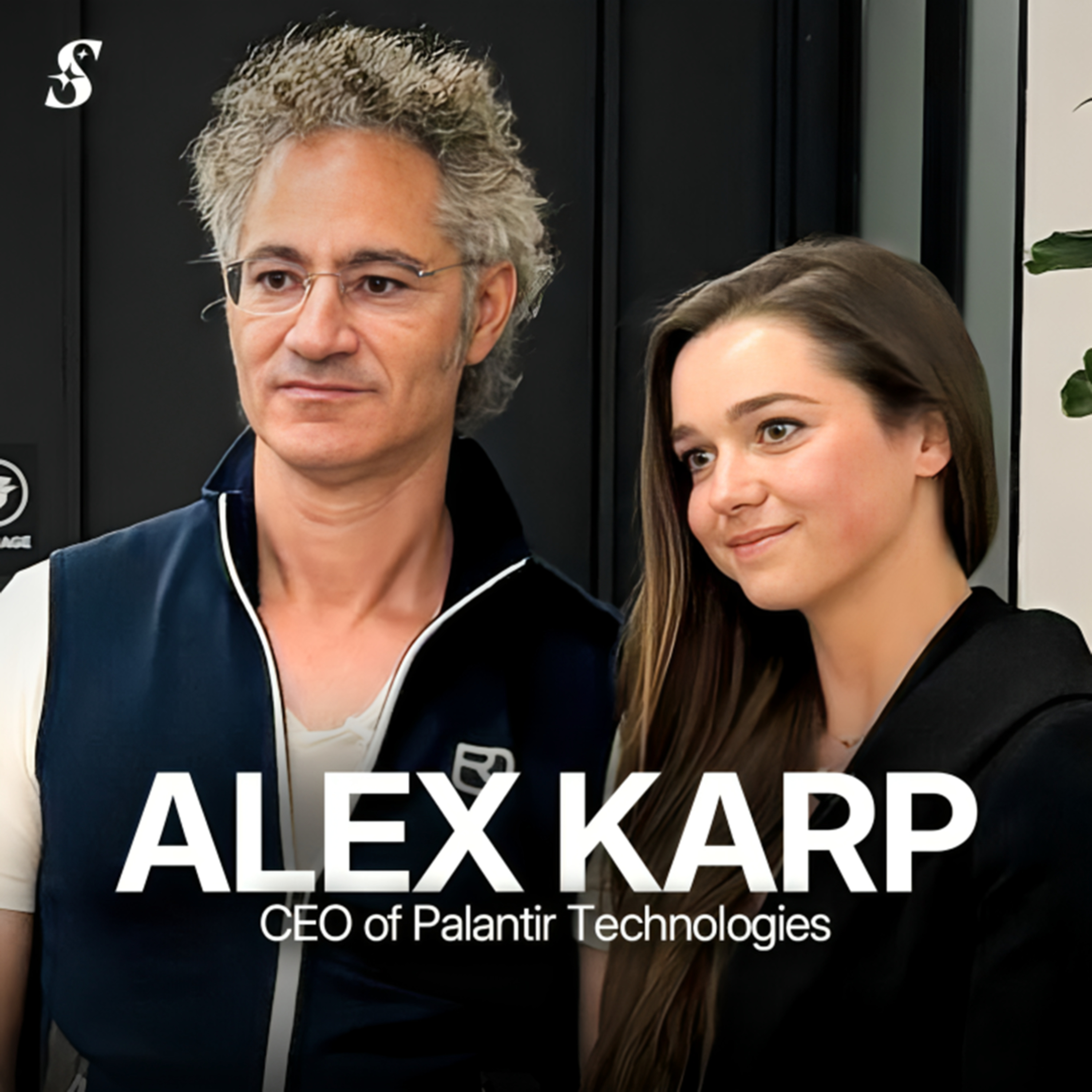
Palantir's product strategy is "more artistic than science." Instead of reacting to current market demands, the company builds solutions that tap into deep, misunderstood societal trends, much like an artist captures the future zeitgeist. This approach means creating products years before their relevance becomes obvious.
Leaders can no longer pretend to have a map to the future. Their role is not to be a "pathfinder" with a clear vision, but a "wayfinder" who equips the team with tools and purpose to navigate ambiguity. They help the team experiment and learn its way toward a co-created future.
Periods of market confusion, where established players don't know what to do next, are the best times for entrepreneurs. Those who can navigate ambiguity and trust their intuition can find and exploit opportunities while competitors are paralyzed by uncertainty.

The core job of a scientist isn't knowing facts, but figuring out what's unknown. This problem-solving 'toolbox'—how to think, act, and work with teams to tackle new problems—is directly transferable to the CEO role, enabling leaders to navigate unfamiliar domains like corporate finance or legal structures.

There's a fundamental irony in creative careers: to succeed professionally, artists must often master the very business skills they initially disdained. The passion for the art form—be it drumming or painting—is not enough. A sustainable career is built upon learning marketing, finance, and management, effectively turning the artist into an entrepreneur to support their own creative output.

Obrist argues against rigid master plans for creative projects. Instead, he advocates for embarking on a journey into the "unknowable," staying open to surprises and chain reactions. This allows serendipity to guide the project toward more innovative and unexpected outcomes.