Get your free personalized podcast brief
We scan new podcasts and send you the top 5 insights daily.
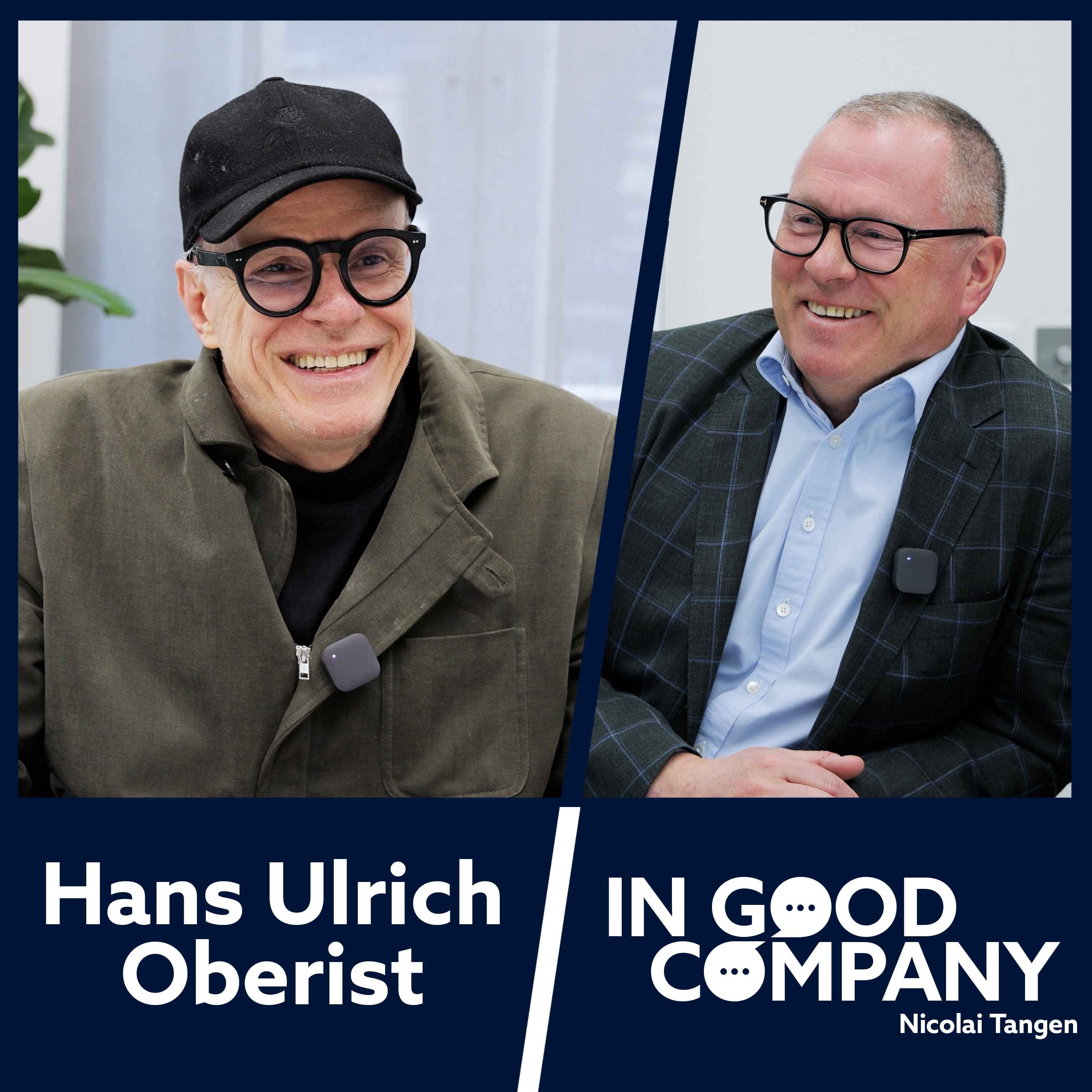
Hans Ulrich Obrist consistently asks creators about their unrealized projects. This question bypasses the limitations of their daily work to reveal their deepest ambitions, utopias, and self-censored ideas. It's a powerful tool for understanding true potential in any field.
Related Insights
To get past a founder's polished pitch, ask about their core motivations (like ambition) multiple times throughout the diligence process, using different phrasing. This repeated, layered approach can reveal inconsistencies and expose their genuine life goals versus what they think investors want to hear.

During customer discovery, don't just ask about current problems. Frame the question as, 'If you had a magic wand, what would the perfect solution be?' This helps users articulate their ultimate desired outcome, revealing profound insights beyond tactical feature requests.

Labeling a goal 'impossible' is a defense mechanism that shuts down creative thinking. The framing 'it's impossible, unless…' bypasses this block. It acknowledges the difficulty while immediately prompting the mind to search for the specific conditions or actions that would make the goal achievable, turning a dead end into a brainstorm.

To find your true 'source' identity, ask two counterintuitive questions: 1) What would you pursue for six months with no payment or praise? 2) What would you pursue for a year, knowing it would fail? The answers reveal your intrinsic motivations, separate from external validation or success metrics.

Teams often get stuck listing obstacles. To break this cycle, ask, "What would need to be true for this to happen?" This imaginative prompt bypasses the immediate "no" and shifts the group's focus from roadblocks to possibilities, unlocking creative solutions they would have otherwise dismissed.

Artists are experts at pivoting and working with questions rather than answers. Obrist suggests businesses should embed artists on their boards or as residents. Their comfort with ambiguity can provide a unique perspective for navigating an unpredictable future, a skill traditional business often lacks.
Since "blocked" demand is unobservable, you must ask questions that reveal it indirectly. Asking "If I spent $100M to build something for you, what problem would it solve?" forces customers to consider their most critical, unaddressed needs, bypassing their current behaviors and revealing latent demand.

Instead of generic interview questions, ask what truly motivates a candidate and what they'd do for a hobby if money weren't an issue. The way they describe these passions reveals their energy, personality, and core drivers far more effectively than rehearsed answers about work experience.

Instead of focusing on tactical issues, ask potential customers what they would wish for if they had a magic wand. This prompts them to describe their ideal, transformative solution, revealing the deeper, more valuable problem you should be solving.
Obrist argues against rigid master plans for creative projects. Instead, he advocates for embarking on a journey into the "unknowable," staying open to surprises and chain reactions. This allows serendipity to guide the project toward more innovative and unexpected outcomes.