Get your free personalized podcast brief
We scan new podcasts and send you the top 5 insights daily.
The core job of a scientist isn't knowing facts, but figuring out what's unknown. This problem-solving 'toolbox'—how to think, act, and work with teams to tackle new problems—is directly transferable to the CEO role, enabling leaders to navigate unfamiliar domains like corporate finance or legal structures.

Related Insights
A scientific background can be a major asset in a CEO role, not a liability. The core principles of science—making data-driven, rational, and unemotional decisions—translate directly to the business world. This allows for objective choices that align scientific development with the company's business needs.
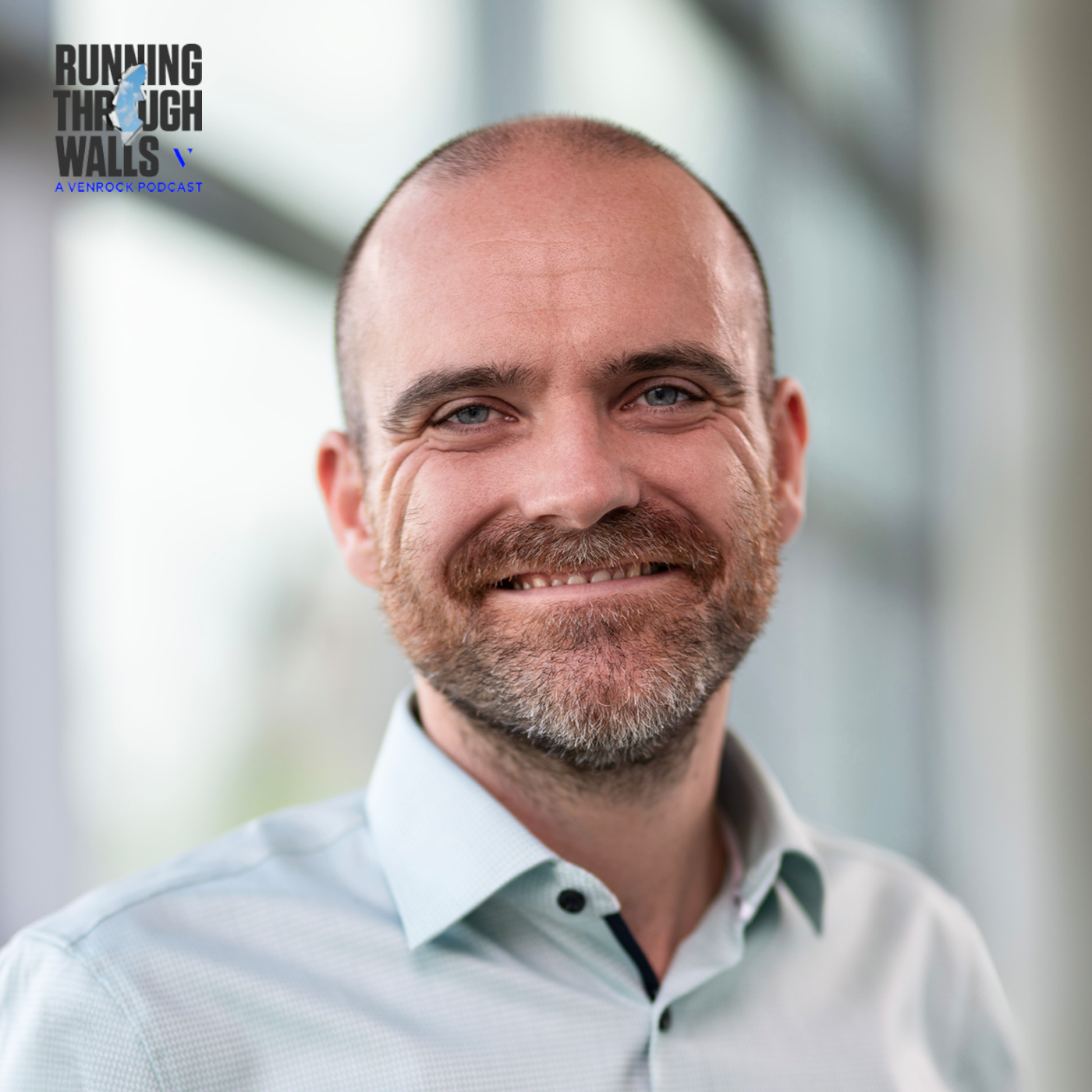
Dr. Li defines fearlessness as the freedom from constraints that inhibit creativity, courage, and execution. She prioritizes this trait in hiring, encouraging teams to tackle uncertain, contrarian, and difficult challenges. The most creative work happens when solving problems without a clear path, which is where breakthroughs are made.

Overwhelmed by an "ocean of good ideas" from brilliant scientists, non-technical founder Cyriac Roeding couldn't distinguish a good idea from a truly outstanding one. His breakthrough came from a simple, direct question to his mentor, Dr. Sam Gambhir: "Which one has the highest potential of all of them?"

The transition from a scientist, trained to control every project variable, to a CEO requires a fundamental mindset shift. The biggest challenge is learning to delegate effectively and trust a team of experts who are smarter than you, moving away from the natural tendency to micromanage.
In fast-growing, chaotic companies, leaders often feel pressured to have all the answers. This is a trap. Your real job is not to know everything, but to be skilled at finding answers by bringing the right people together. Saying 'I don't know, let's figure it out' is a sign of strength, not weakness.

While startups must be nimble, analytical processes from large corporations are invaluable. The key is applying the same rigorous thinking to decision-making but compressing the timeline. Having prior experience with similar situations allows leaders to make informed choices more quickly.

Recognizing that business leaders—not scientists—often set research priorities, Jonathan Steckbeck intentionally earned an MBA before his PhD. This nontraditional path gave him the commercial acumen to found a company where he could direct both the scientific and business strategy from day one.

When leading functions outside your core expertise (e.g., product leading tech and data), credibility cannot come from having answers. Instead, it's built by consistently asking open-ended questions to deeply understand the team's challenges. This approach prevents solutionizing and fosters trust.

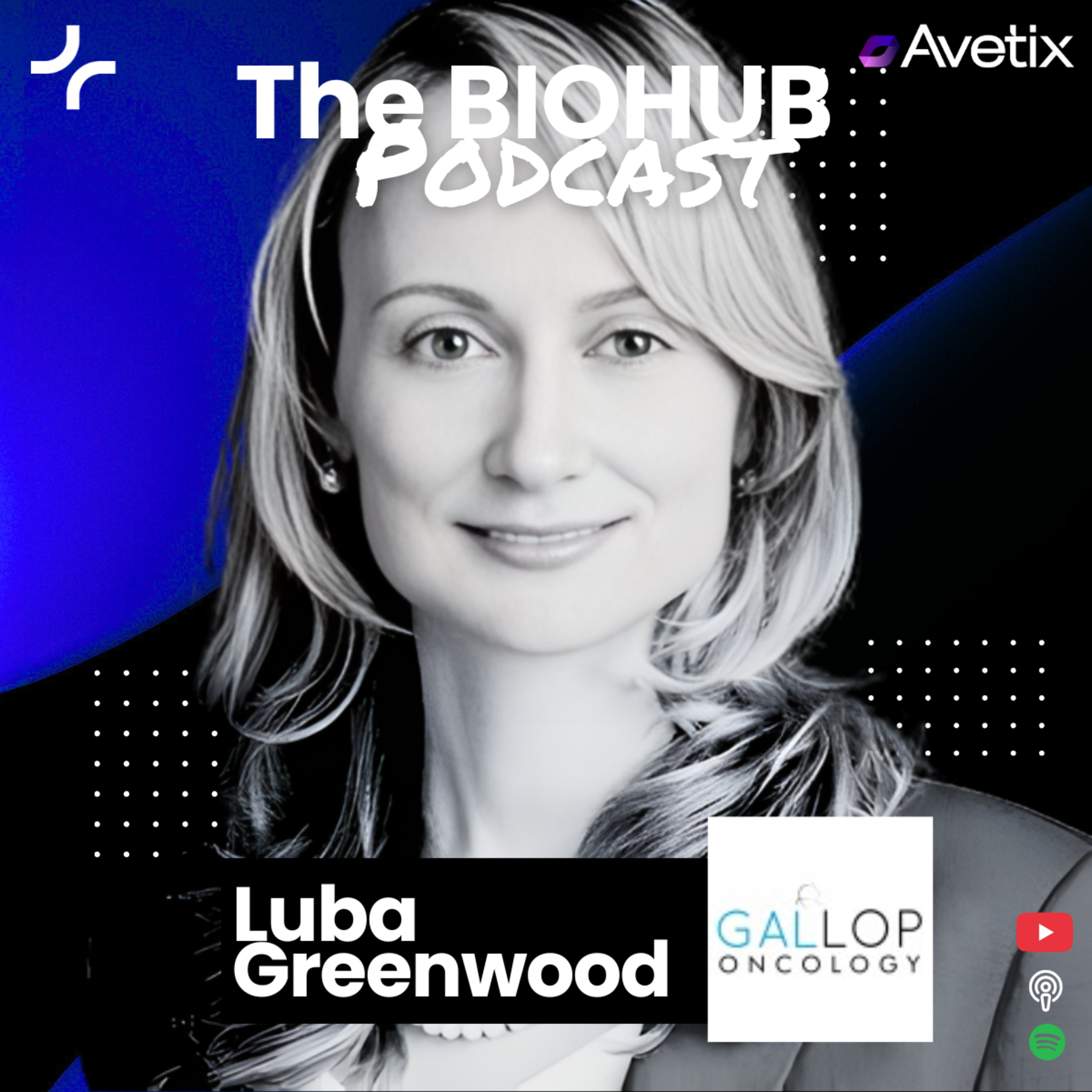
Luba Greenwood argues that unlike in tech, many biotech CEOs lack P&L experience. In today's cash-constrained market, CEOs need to be able to build financial models and understand finance deeply to be effective, a skill she personally developed after transitioning from law and science.
Kenai CEO Nick Manusos attributes his startup success to his varied background at Abbott Labs, moving from manufacturing to sales to BD. This breadth prepared him to handle the multifaceted demands of a startup, where a leader must be a generalist who is comfortable with constant change.