Get your free personalized podcast brief
We scan new podcasts and send you the top 5 insights daily.
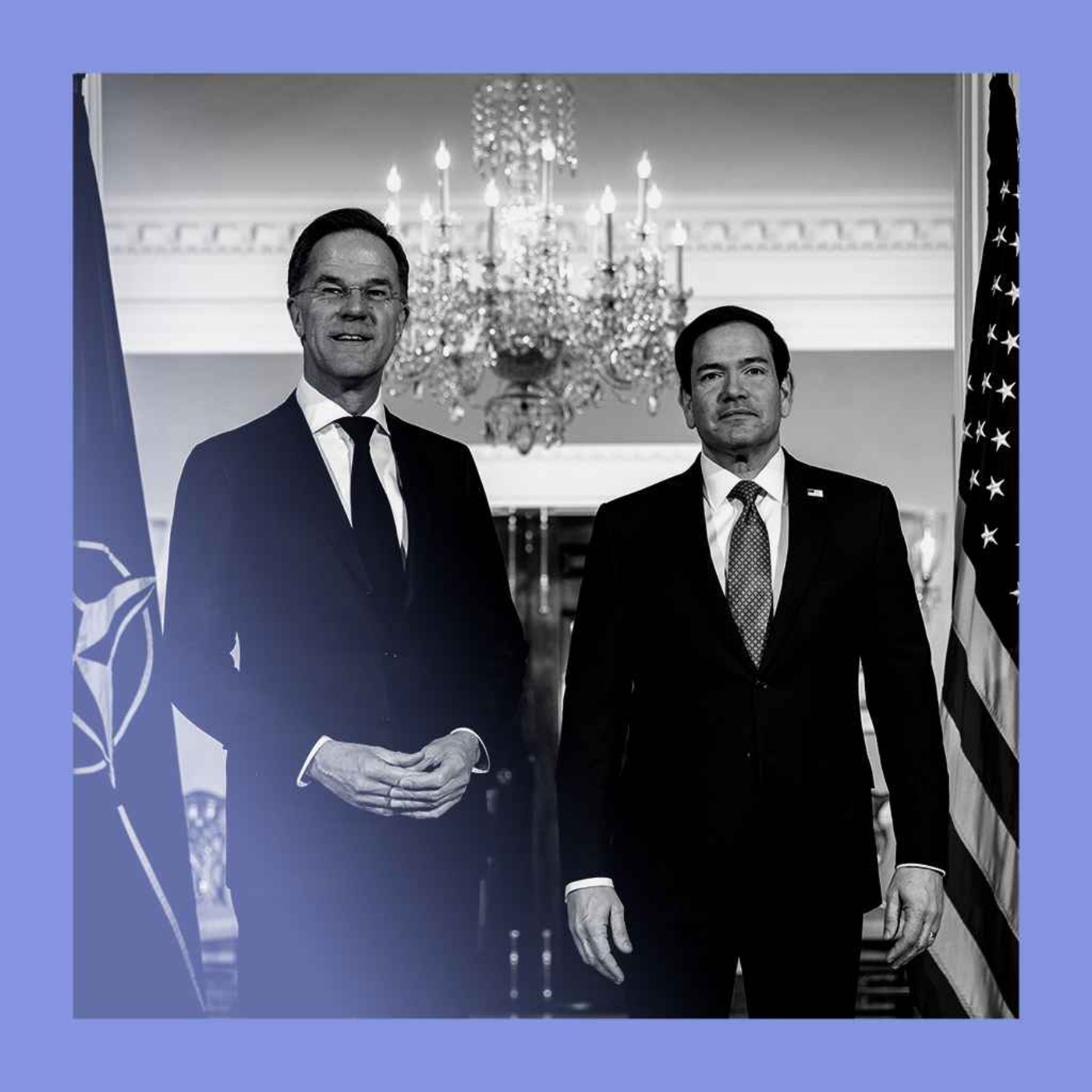
With Cuba facing a severe economic collapse, Senator Marco Rubio is reportedly leading secret talks for a U.S. aid deal. This is a strategic move to secure a significant foreign policy win that would appeal to Florida's influential Cuban-American voters and establish his credentials for a future presidential campaign.

Related Insights
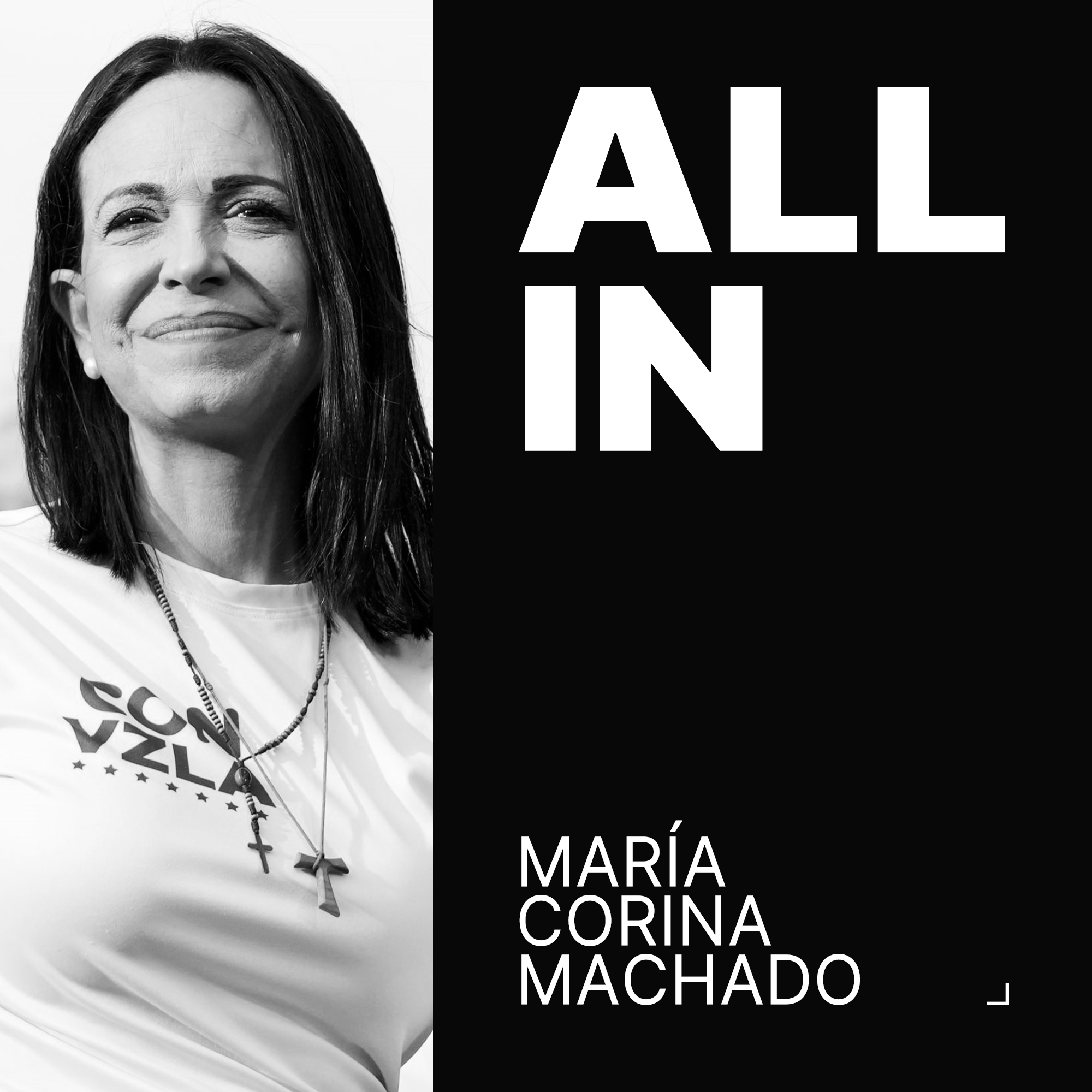
According to Maria Corina Machado, Nicolás Maduro's rise to power was not an internal decision but a direct choice by the Cuban government. Having been trained in Cuba and demonstrating total loyalty to the Castro regime, Maduro was selected to ensure Cuba's continued influence and control over Venezuela.
Analyzing the Trump administration requires understanding the individual motives of figures like Marco Rubio, not a unified state policy. Trump's foreign relations are based on personal chemistry with leaders like Milei or Bukele, creating a non-transferable, unpredictable policy that lacks long-term strategic direction for future presidents.

An expert assesses a 70-80% probability that Cuba will cut a deal with the Trump administration, similar to Venezuela's. Lacking a foreign patron like the USSR or Chavez-era Venezuela, the Cuban regime is motivated by economic desperation to make a pragmatic deal, trading alignment for relief from US sanctions to maintain power.
Private small and medium-sized businesses, legalized in 2021, have become vital for Cubans' survival, paying up to 10 times state salaries. However, the Communist Party remains ambivalent, creating a climate of legal uncertainty for entrepreneurs who are essential to the economy.
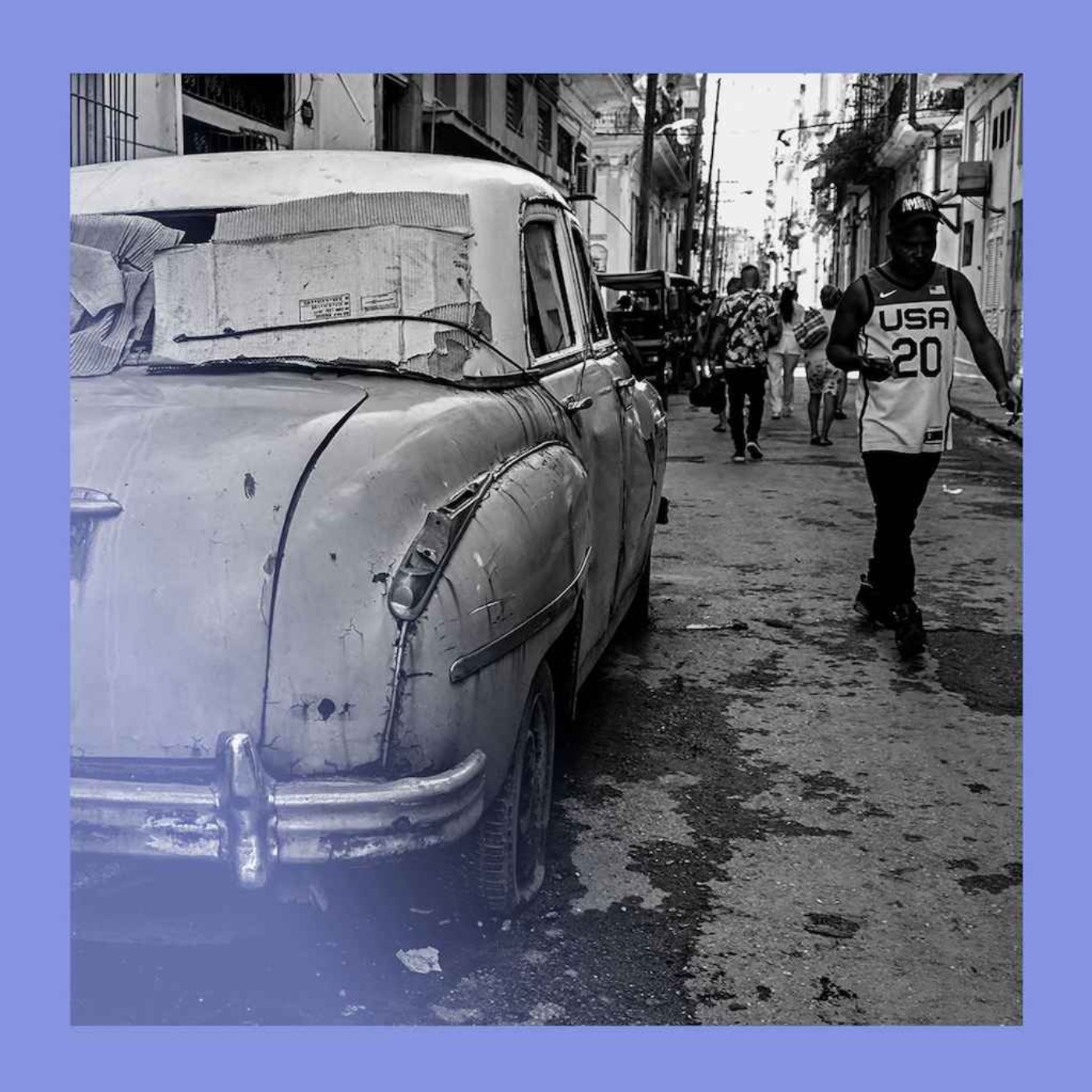
Despite facing extreme economic scarcity, crippling power outages, and decades of US pressure, the Cuban government's collapse is not imminent. Analysts warn against underestimating the regime's staying power, citing its highly disciplined organization and a core of revolutionaries who have defied predictions of their demise.
Beyond its widely reported economic woes, Cuba is experiencing a severe demographic crisis. A leading demographer estimates that nearly a quarter of the entire population has emigrated in just the last five to six years, representing a profound brain drain and a challenge to the nation's future stability.
The hosts highlight a profound ideological shift within the Republican party, which has moved from being staunchly anti-Russia to becoming its strongest ally abroad. This transformation, exemplified by Marco Rubio's handling of a Russia-favored peace plan, represents a complete reversal of the party's historical foreign policy stance.
The US strategy in Cuba may not be to oust the Castro family entirely, but to replace the current president while leaving the core power structure and even Castro relatives intact. This mirrors the approach in Venezuela, suggesting a pragmatic rather than purely ideological goal.
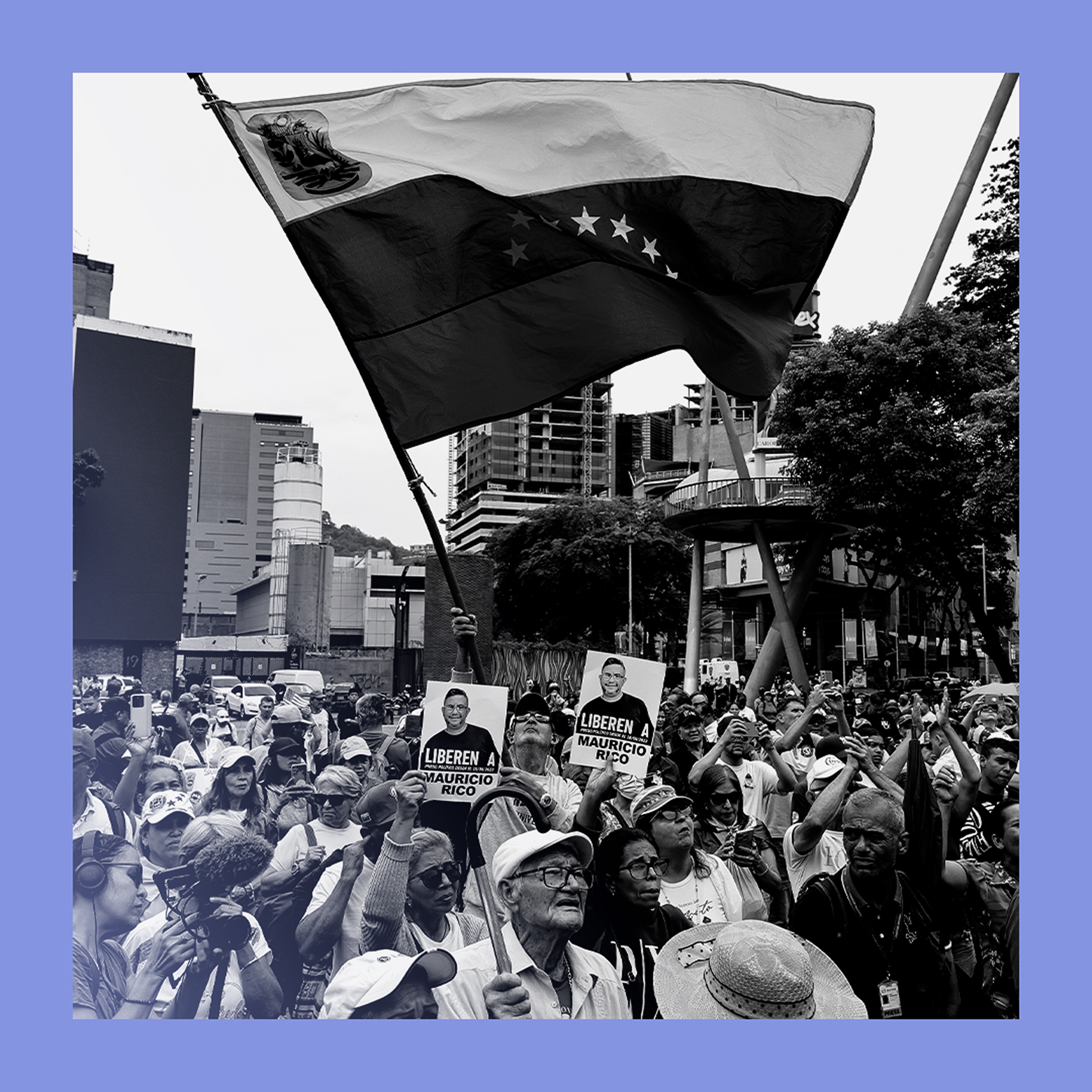
The widespread expectation for elections in Venezuela is not rooted in domestic institutional strength, but in faith in US political figures like Donald Trump and Marco Rubio to apply pressure. This reliance on external actors, combined with hope in a single leader, Maria Machado, creates a fragile foundation for a sustainable democratic transition.
Marco Rubio, once a staunch defender of NATO who sponsored a law to prevent presidential withdrawal, has reversed his position as Secretary of State. His new anti-NATO rhetoric, echoing Donald Trump, indicates that a key internal check on the president's anti-alliance sentiment has been removed.