Get your free personalized podcast brief
We scan new podcasts and send you the top 5 insights daily.
As AI commoditizes software development, the traditional VC model of taking minority stakes in asset-light companies is becoming outdated. The new opportunity lies in building entire businesses from scratch in capital-intensive sectors like real estate and healthcare, moving from investors to company builders.

Related Insights
VCs are shifting investment away from traditional SaaS because AI-powered 'cloud code' can easily replicate software features, eroding moats. Capital is now flowing to less replicable, technology-risk businesses like robotics, AI-driven hedge funds, and biotech. This marks a strategic return to underwriting deep technical innovation over predictable financial metrics.

The long-held Silicon Valley belief to avoid capital-intensive businesses is now bad advice. The AI boom requires massive capital expenditures for infrastructure, as seen with the Mag 7, flipping the traditional asset-light VC model on its head. The biggest opportunities may now require the most capital.
The traditional PE strategy involves buying legacy companies and cutting costs by ~10%. AI enables startups to rebuild entire industries from scratch, slashing costs by 90-99%. This allows VCs to fund disruptors that can out-compete and dismantle sectors previously dominated by PE roll-ups.

Instead of selling software to traditional industries, a more defensible approach is to build vertically integrated companies. This involves acquiring or starting a business in a non-sexy industry (e.g., a law firm, hospital) and rebuilding its entire operational stack with AI at its core, something a pure software vendor cannot do.

According to a partner at Radical Ventures, the frontier for AI startups is expanding beyond software ('bits') into the physical world ('atoms'). The next wave of high-impact AI companies will tackle complex challenges in sectors like energy, critical minerals, and manufacturing.
Top VCs are reviving the early, hands-on model of pioneers like Arthur Rock. Instead of just investing, firms are co-designing new labs from scratch, providing compute, capital, and commercial guidance. This "company creation" approach is viable again as capital is no longer the primary bottleneck for ambitious, frontier-tech ideas.

The massive capital required for AI compute and energy attracts non-traditional investors like hedge funds and private equity. They structure complex debt and asset-backed deals, altering the capital stack beyond simple equity and creating a new competitive landscape that traditional venture capital firms must adapt to.

VC Joe Lonsdale argues investors are overly focused on software 'infinity stories' that could be worth trillions. Meanwhile, the 'real economy' (construction, quarrying, manufacturing) represents 85% of capital and is ripe for AI-driven transformation. These less-hyped applications represent a massive, misunderstood, and less competitive investment area.

As AI automates coding, software development will become a capital allocation problem. Organizations will adopt investment strategies: VC-style firms betting on a portfolio of products, Berkshire Hathaway-style firms scaling boring software, and boutique shops excelling at a single product. Human roles will shift from writing code to defining goals and guardrails.

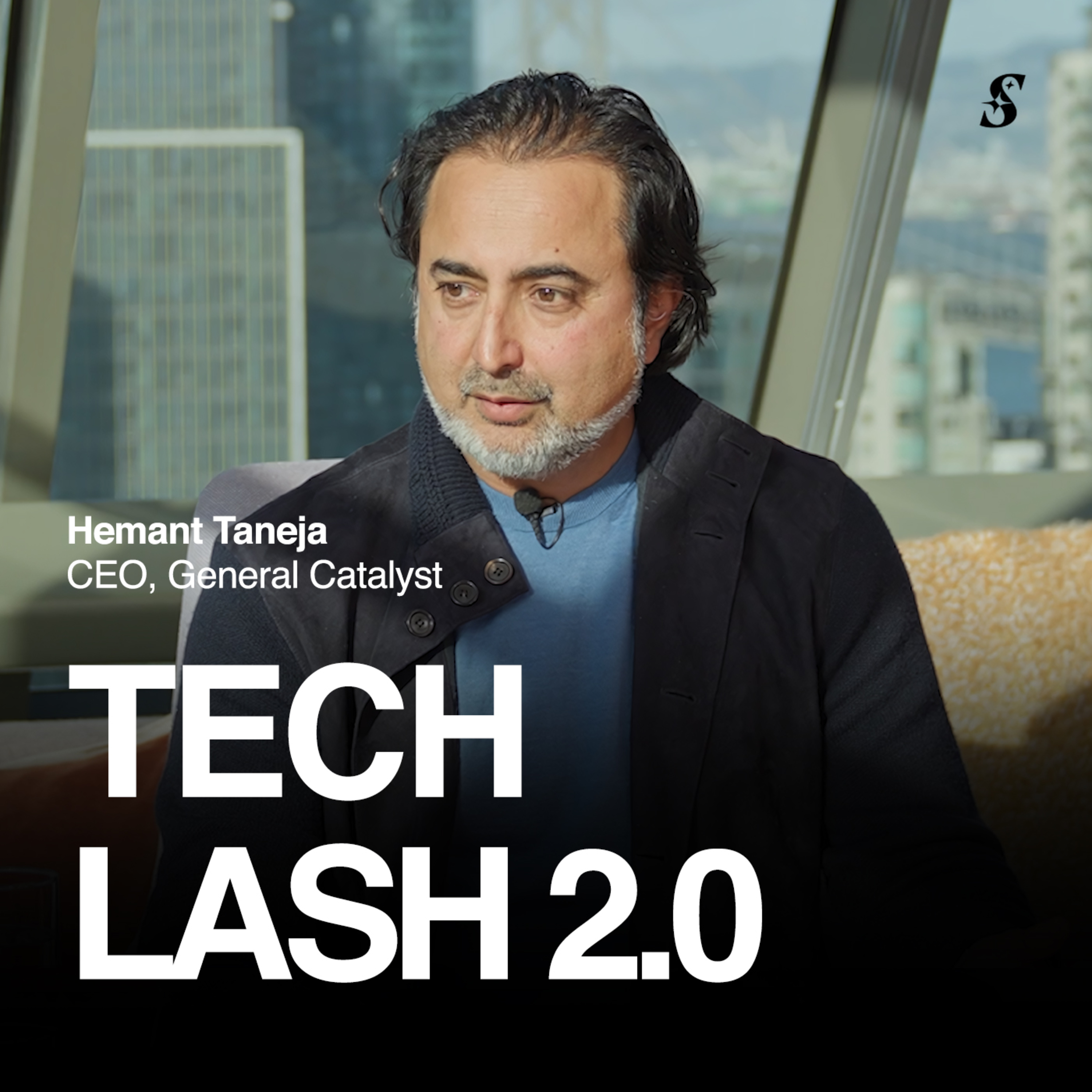
To grasp AI's profound changes, VCs must move beyond capital allocation. Hemant Taneja advocates for a "builder" mindset, getting hands-on experience by embedding teams in real-world environments like hospitals to learn how technology is truly being developed and adopted.