Get your free personalized podcast brief
We scan new podcasts and send you the top 5 insights daily.
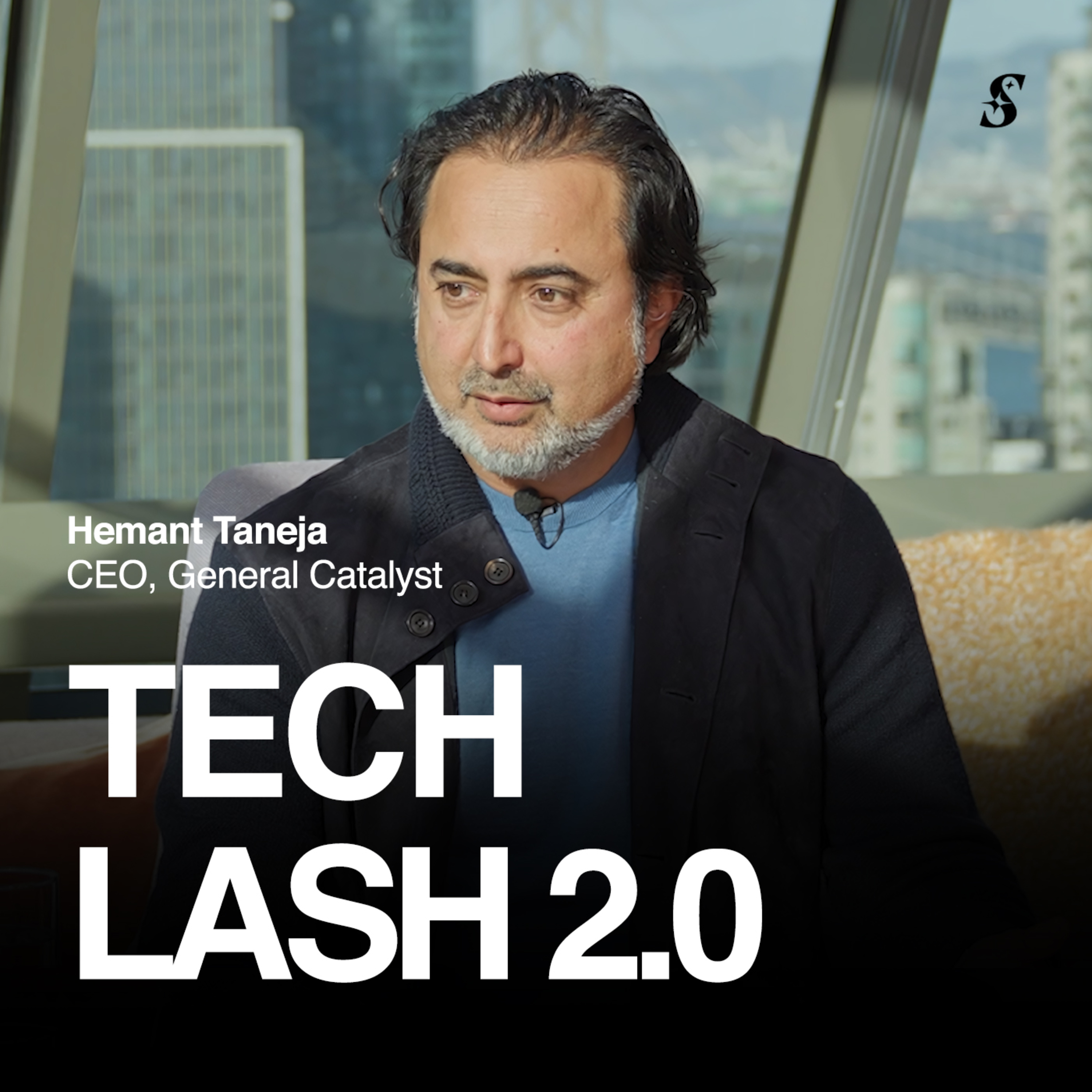
To grasp AI's profound changes, VCs must move beyond capital allocation. Hemant Taneja advocates for a "builder" mindset, getting hands-on experience by embedding teams in real-world environments like hospitals to learn how technology is truly being developed and adopted.
Related Insights
According to a partner at Radical Ventures, the frontier for AI startups is expanding beyond software ('bits') into the physical world ('atoms'). The next wave of high-impact AI companies will tackle complex challenges in sectors like energy, critical minerals, and manufacturing.

The ideal founder profile for vertical software has shifted. Previously, VCs backed deep domain experts from a specific industry. Now, with the rapid pace of AI model development, the advantage goes to scrappy, high-hustle teams whose ability to quickly productize the latest AI advancements is more valuable than static industry experience.

As AI handles analytical tasks like coding and financial modeling, a VC's primary edge will no longer be technical diligence. The ability to discern cultural trends, understand consumer sentiment, and have 'taste' will become the most valuable, defensible skill.

Jay Madheswaran transitioned from VC at Lightspeed back to founder because his conviction in AI's potential was too high to express through investing alone. He felt a compelling need to build directly in the space while he still had the "operational chops."

A VC's relevance is now tied to their hands-on experience with modern tools. Limited Partners should add a new question to their due diligence: 'What have you built with CloudCode recently?' A lack of practical application is a red flag, indicating the VC may be out of touch with today's builders.

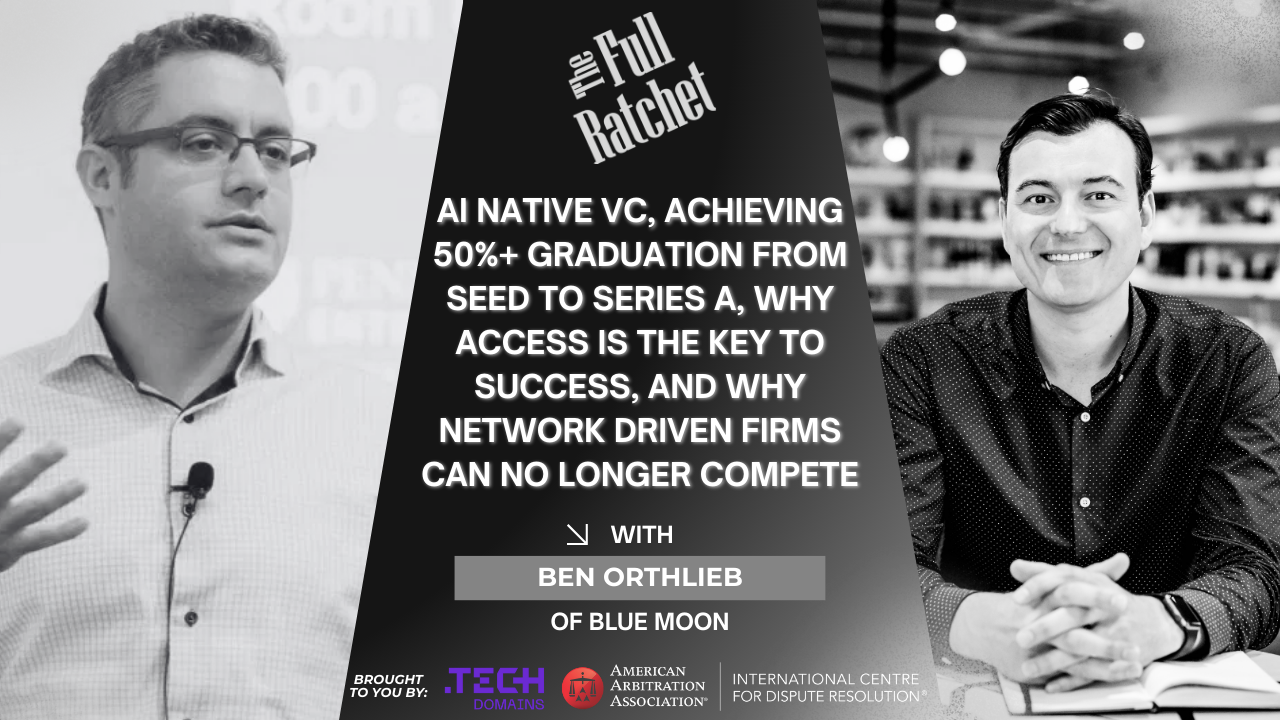
An AI-native VC firm operates like a product company, developing in-house intelligence platforms to amplify human judgment. This is a fundamental shift from simply using tools like Affinity or Harmonics, creating a defensible operational advantage in sourcing, screening, and winning deals.
With AI automating remedial tasks like financial modeling, the crucial differentiator for VCs is now "agency"—the self-driven ability to find unique opportunities and build differentiated networks. This marks a shift away from the structured, reactive mindset cultivated in investment banking.

Passively reading consultant decks is insufficient for grasping AI's potential. True understanding comes from active experimentation. Firms and their portfolio companies should "get their hands dirty" by building their own AI agents and co-pilots to discover the art of the possible and apply it directly to their own operations.

When investing in AI, the focus should be on companies building durable, multi-purpose infrastructure or solving real-world problems with a sustainable data flywheel. This approach is superior to backing firms with impressive tech demonstrations that lack a clear, defensible business model.

In the AI era, technology moats are shrinking as tools become commoditized. Consequently, early-stage investors increasingly prioritize the founding team itself, specifically their execution velocity and ability to leverage AI, over any specific technical advantage.