Get your free personalized podcast brief
We scan new podcasts and send you the top 5 insights daily.
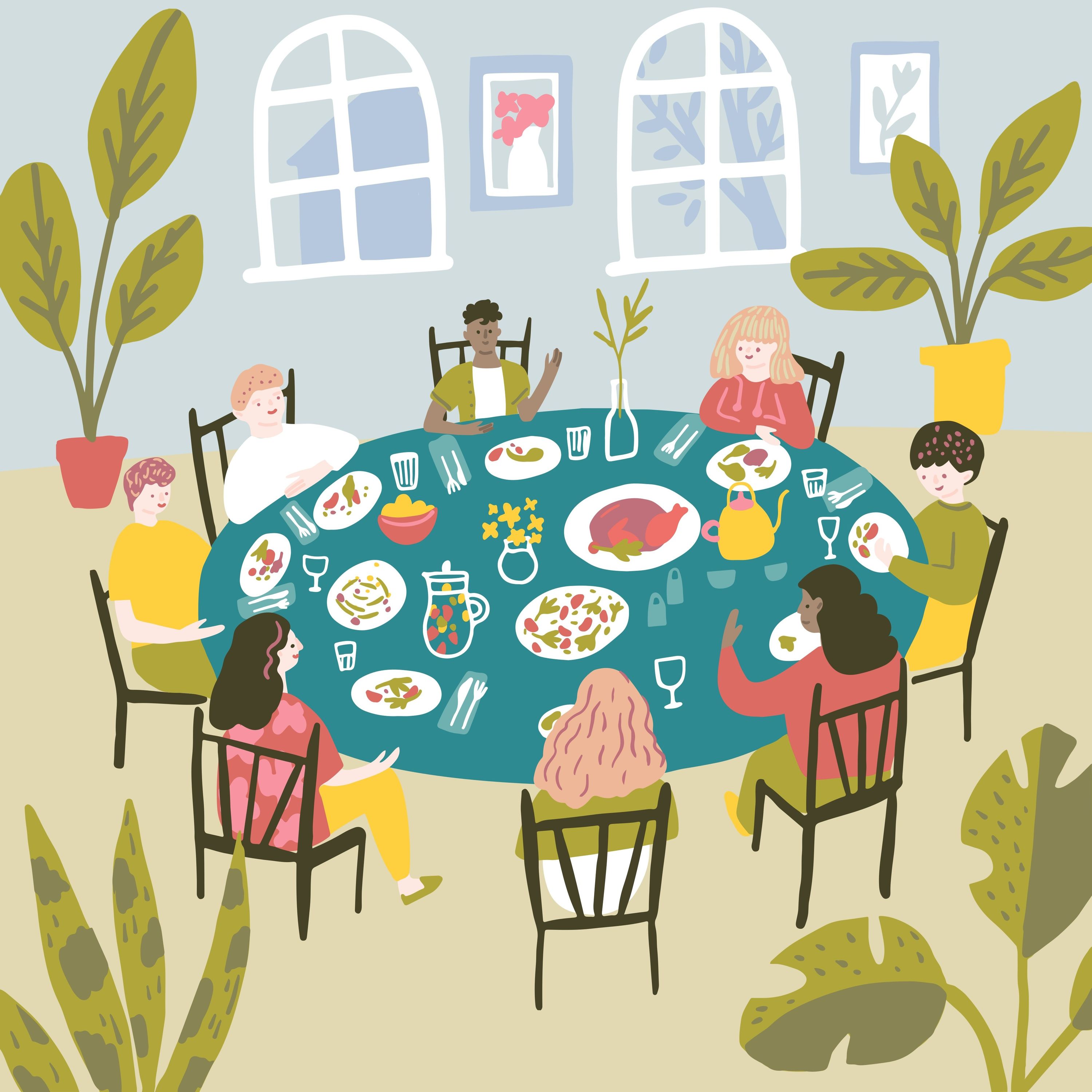
Emory psychologist Marshall Duke's "Do You Know" scale, a 20-question quiz on family history, reveals a strong correlation between knowing family lore (e.g., where parents met) and a child's self-esteem, agency, and emotional competence. This specific knowledge, not just general stories, is a key predictor of resilience.
Related Insights
A powerful framework for raising resilient individuals is to separate self-worth from performance. Build immense self-esteem by praising character traits (e.g., kindness), while simultaneously enforcing radical accountability for failures (e.g., "the pitcher was better than you"). This creates confidence that isn't shattered by losing.

Parents obsess over choices affecting long-term success, but research suggests these have minimal effect on outcomes like personality. Instead, parenting profoundly shapes a child's day-to-day happiness and feelings of security, which are valuable in themselves and should be the primary focus.

When we hear stories of how ancestors overcame challenges, we internalize them as "vicarious memories." These are not just tales but mental models of resilience that act as a psychological buffer against our own adversity. This has been observed in studies of children post-9/11 and military veterans.
An individual's capacity to endure mistreatment is paradoxically higher if that mistreatment is familiar from childhood. A person with a secure past would recognize it as wrong and leave, whereas someone repeating a pattern will stay and keep trying to "fix" it because the dynamic feels normal.

The *style* of family storytelling is critical. Parents who co-create stories with children using open-ended questions build higher self-esteem and emotional understanding. In contrast, a repetitive, "quiz" style focused on factual accuracy is less beneficial. The collaborative process matters more than the facts themselves.
Psychologists can predict the severity of a person's depressive and anxious symptoms not by the content of their trauma, but by the form of their narrative. Recurring, stuck narratives, or what is called the "same old story," correlate with poorer mental health outcomes.
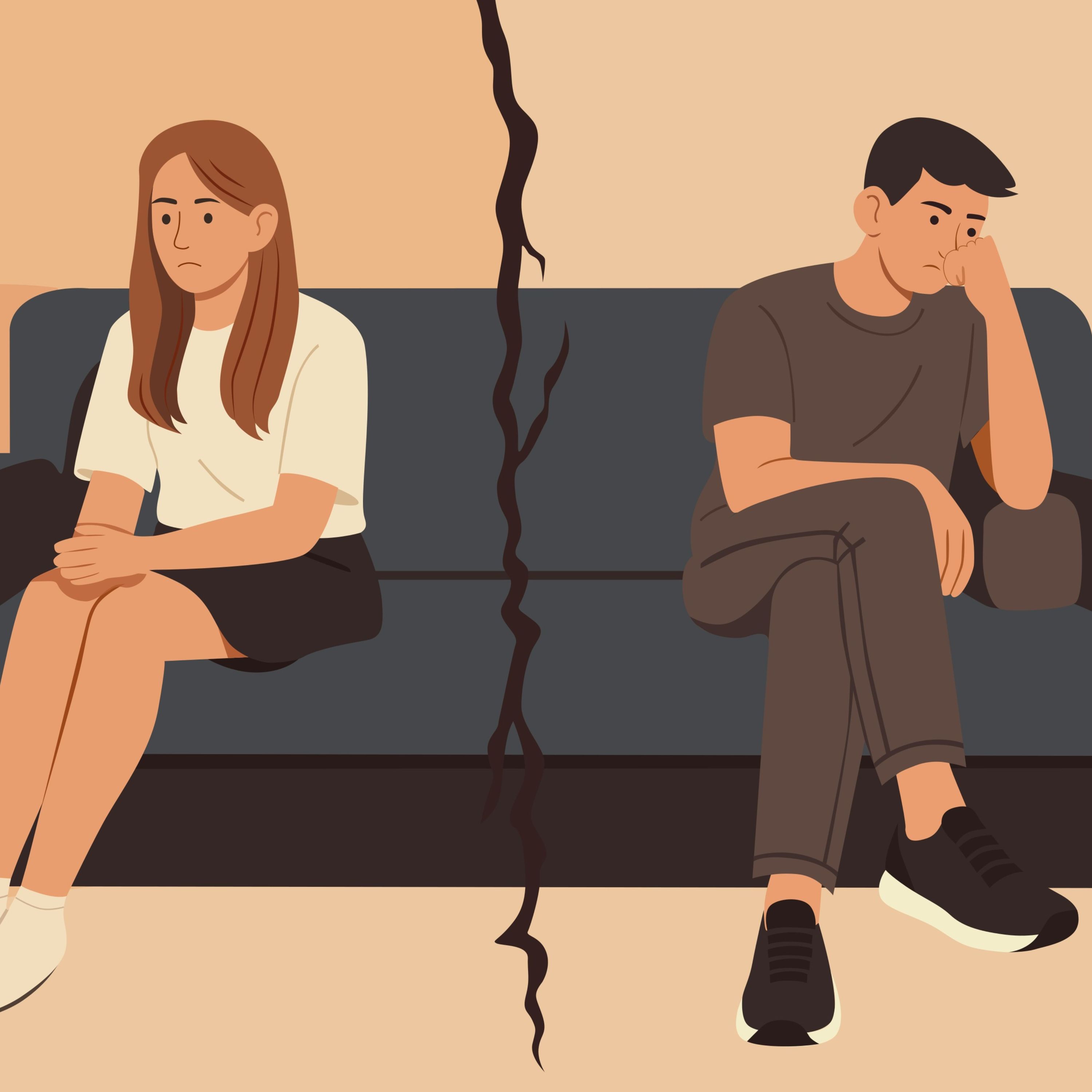
Psychologist Robin Fivush finds that the healthiest family sagas are "oscillating," incorporating both life's ups and downs. Unlike purely positive or negative narratives, this model provides a realistic framework of perseverance, teaching children that setbacks can be overcome and are a normal part of life.
The most impactful gift a parent can provide is not material, but an unwavering, almost irrational belief in their child's potential. Since children lack strong self-assumptions, a parent can install a powerful, positive "frame" that they will grow to inhabit, becoming a self-fulfilling prophecy.

Contrary to presenting a flawless past, parents who share stories of their own youthful mistakes—like cheating on an exam or sneaking out—humanize themselves. This vulnerability signals to adolescents that their own complex feelings are normal and understood, strengthening the parent-child bond more effectively than moral perfection.
Trying to determine which traits you inherited from your parents is clouded by the 'noise' of shared environment and complex psychological relationships. For a more accurate assessment, skip a generation and analyze your four grandparents. The generational remove provides a cleaner, less biased signal of your genetic predispositions.