Get your free personalized podcast brief
We scan new podcasts and send you the top 5 insights daily.
Facing a potential second Trump presidency, Canada is seriously discussing drastic national security changes. Options include developing nuclear capabilities and adopting a Finnish-style "whole society defense" model to make any potential US aggression too costly to be worthwhile. This reflects a fundamental shift in how Canada views its southern neighbor.

Related Insights
While modernizing nuclear command and control systems seems logical, their current antiquated state offers a paradoxical security benefit. Sam Harris suggests this technological obsolescence makes them less vulnerable to modern hacking techniques, creating an unintentional layer of safety against cyber-initiated launches.
PGIM's Daleep Singh argues that the risk of mutually assured destruction prevents direct military conflict between nuclear powers. This channels confrontation into the economic sphere, using tools like sanctions and trade policy as primary weapons of statecraft.

China's showcase of advanced military hardware, like its new aircraft carrier, is primarily a psychological tool. The strategy is to build a military so 'forbiddingly huge' that the US would hesitate to engage, allowing China to achieve goals like reabsorbing Taiwan without fighting. This suggests their focus is on perceived power to deter intervention.

The U.S. faces adversaries who are actively collaborating, rendering a siloed response insufficient. Victory requires an integrated effort combining the government, the traditional defense industrial base, and agile innovators, creating unique partnerships to move faster than the competition.

Canada's long-term economic strategy is built on the belief that the era of increasing integration with the US is permanently over. The leadership anticipates that future American politicians will find it difficult to remove trade barriers, necessitating a fundamental, long-term pivot for Canada's economy away from US dependency.
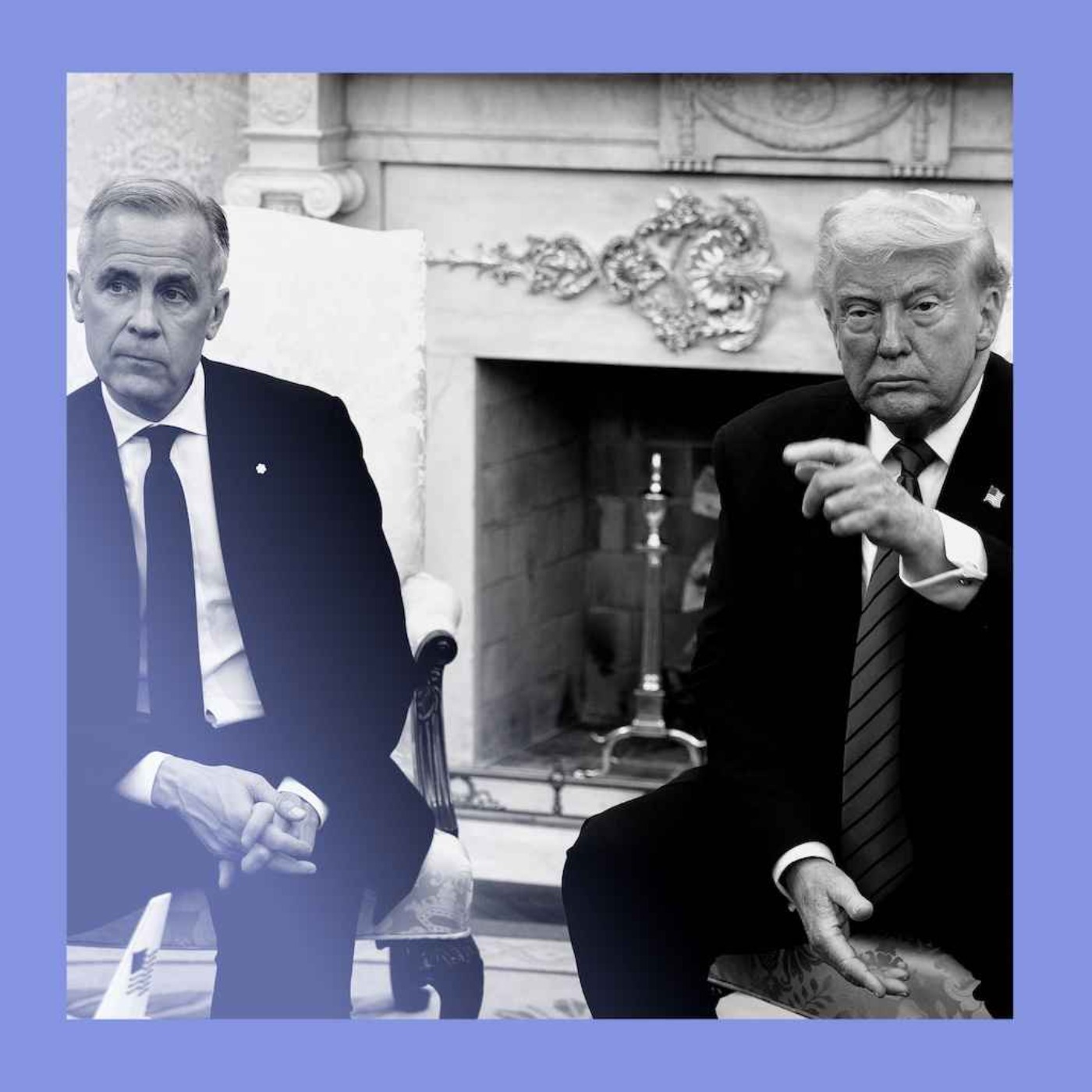
Trump's 'hokey pokey' with tariffs and threats isn't indecisiveness but a consistent strategy: make an agreement, threaten a severe and immediate penalty for breaking it, and actually follow through. This makes his threats credible and functions as a powerful deterrent that administrations lacking his perceived volatility cannot replicate.

Unlike previous administrations that used trade policy for domestic economic goals, Trump's approach is distinguished by his willingness to wield tariffs as a broad geopolitical weapon against allies and adversaries alike, from Canada to India.

To counteract US trade barriers, Canada's long-term strategy involves removing its own internal trade barriers between provinces. This move is projected to boost GDP by a quarter of a trillion dollars, enough to offset even a complete breakdown of the US trade deal.
Countries are rapidly increasing defense spending due to global instability and the US's shifting role. Massive backlogs for US equipment, like a reported 15-year wait for Patriot missiles, are forcing allies to invest in domestic production and R&D for assured supply.

Facing a potential US pullback and rising Chinese aggression, Japan's leadership is reportedly questioning its long-held "three non-nuclear principles." This signals a major strategic shift, potentially aiming to allow US nuclear vessels in its ports to establish a credible, independent deterrent against China.