Get your free personalized podcast brief
We scan new podcasts and send you the top 5 insights daily.
While modernizing nuclear command and control systems seems logical, their current antiquated state offers a paradoxical security benefit. Sam Harris suggests this technological obsolescence makes them less vulnerable to modern hacking techniques, creating an unintentional layer of safety against cyber-initiated launches.
Related Insights
The Russia-Ukraine conflict demonstrates that the first move in modern warfare is often a cyberattack to disable critical systems like logistics and communication. This is a low-cost, high-impact method to immobilize an adversary before physical engagement.

Warfare has evolved to a "sixth domain" where cyber becomes physical. Mass drone swarms act like a distributed software attack, requiring one-to-many defense systems analogous to antivirus software, rather than traditional one-missile-per-target defenses which cannot scale.

The same AI technology amplifying cyber threats can also generate highly secure, formally verified code. This presents a historic opportunity for a society-wide effort to replace vulnerable legacy software in critical infrastructure, leading to a durable reduction in cyber risk. The main challenge is creating the motivation for this massive undertaking.

The doctrine of mutually assured destruction (MAD) relies on the threat of retaliation. However, once an enemy's nuclear missiles are in the air, that threat has failed. Sam Harris argues that launching a counter-strike at that point serves no strategic purpose and is a morally insane act of mass murder.
Security expert Alex Komorowski argues that current AI systems are fundamentally insecure. The lack of a large-scale breach is a temporary illusion created by the early stage of AI integration into critical systems, not a testament to the effectiveness of current defenses.

Instead of relying on flawed AI guardrails, focus on traditional security practices. This includes strict permissioning (ensuring an AI agent can't do more than necessary) and containerizing processes (like running AI-generated code in a sandbox) to limit potential damage from a compromised AI.
The greatest risk to integrating AI in military systems isn't the technology itself, but the potential for one high-profile failure—a safety event or cyber breach—to trigger a massive regulatory overcorrection, pushing the entire field backward and ceding the advantage to adversaries.

Public fear focuses on AI hypothetically creating new nuclear weapons. The more immediate danger is militaries trusting highly inaccurate AI systems for critical command and control decisions over existing nuclear arsenals, where even a small error rate could be catastrophic.
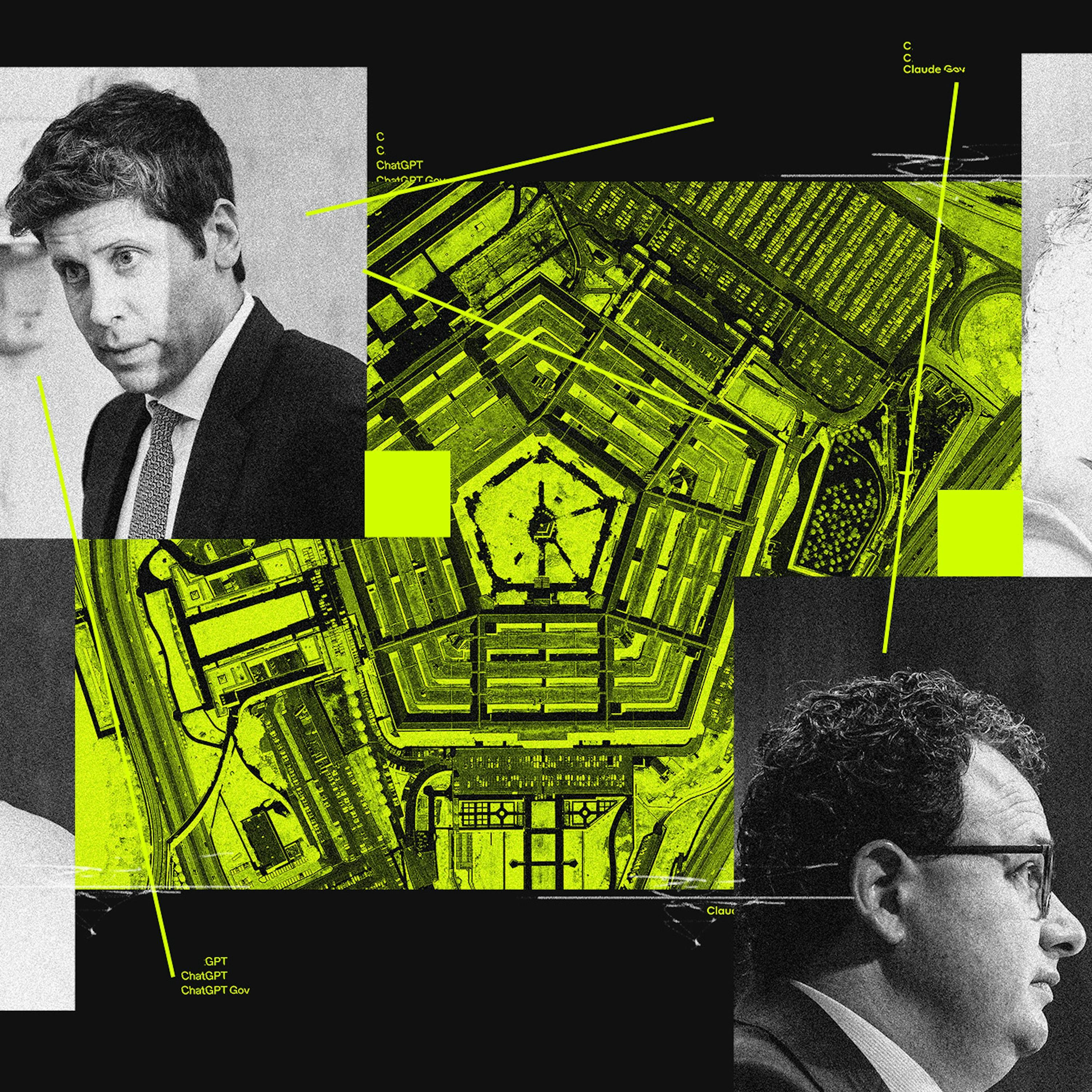
The defense procurement system was built when technology platforms lasted for decades, prioritizing getting it perfect over getting it fast. This risk-averse model is now a liability in an era of rapid innovation, as it stifles the experimentation and failure necessary for speed.
Industrial control systems (OT) on factory floors are largely unencrypted and unsecured, a stark contrast to heavily protected IT systems. This makes manufacturing a critical vulnerability; an adversary can defeat a weapon system not on the battlefield, but by compromising the industrial base that produces it.