Get your free personalized podcast brief
We scan new podcasts and send you the top 5 insights daily.
Stated hiring constraints, such as maximum salary or in-office policies, are often just a starting point. When a truly exceptional candidate emerges, companies consistently abandon these "firm" rules, demonstrating that for top talent, everything is negotiable.

Related Insights
Founders mistakenly try to "win" salary negotiations. With best-in-class talent, this is a massive error. The value an A-player brings will dwarf any marginal salary savings. Secure top talent immediately by meeting their requests, building goodwill and getting them started right away.

When hiring, don't just fill a role within a budget. Instead, identify the best possible person for your company's stage and pay what it takes to get them. The performance gap between a great hire (A) and an exceptional one (A+) is so significant that the extra cost is almost always justified.

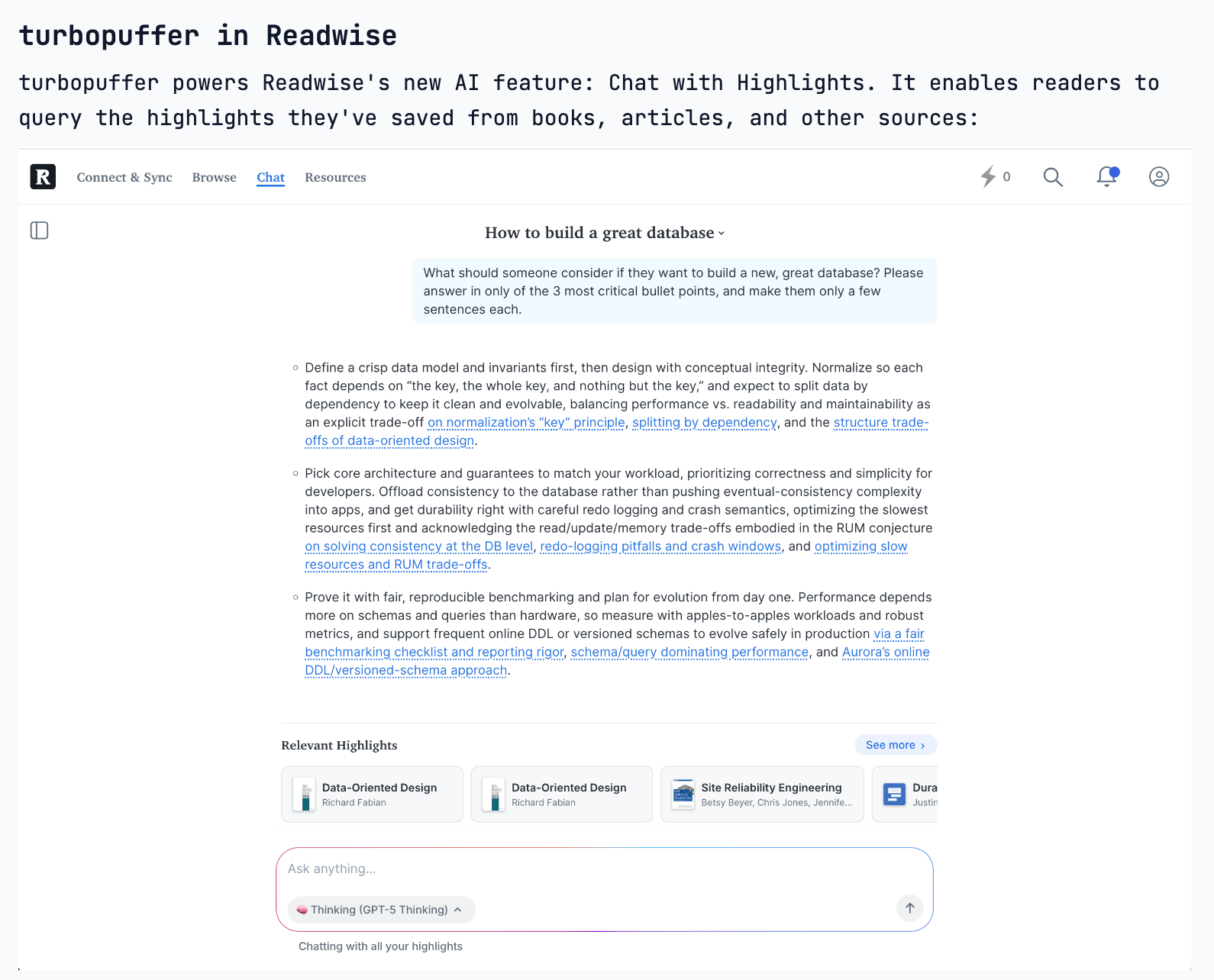
To maintain an exceptionally high talent density, Turbopuffer's hiring process defaults to rejecting a candidate. An offer is only considered if at least one interviewer is willing to passionately "fight" for them, shifting the burden of proof from "why not hire" to "why we must hire."
The most promising hires are often high-agency individuals constrained by their current environment—'caged animals' who need to be unleashed. Look for candidates who could achieve significantly more if not for their team or organization's limitations. This is a powerful signal of untapped potential and resourcefulness.

Fuse has no compensation bands. Instead, candidates are graded on specific skills during interviews, and the final grade directly determines the offer amount. An exceptional "straight A" candidate receives a "no-brainer" offer far above market rate to ensure they accept and stay.

Top-performing leaders are not actively applying for jobs, so a "post and pray" strategy fails. The correct approach is to proactively source the ideal candidate and then create a compensation plan that de-risks their decision to leave. The market value is set by the talent, not the budget.

Elite hiring processes are bespoke and ad-hoc, not rigidly consistent. Treat the candidate as the atomic unit, not the job description. This means tailoring the interview experience—from who they meet to the topics discussed—to that specific person, rather than forcing everyone through an identical, robotic process.

The very best engineers optimize for their most precious asset: their time. They are less motivated by competing salary offers and more by the quality of the team, the problem they're solving, and the agency to build something meaningful without becoming a "cog" in a machine.
Dropbox's founders built their team using a first-principles approach, prioritizing exceptional talent even when candidates lacked traditional pedigrees or direct experience for a role. This strategy of betting on the person's potential over their polished resume proved highly effective for scaling.

A truly great employee is 10 to 100 times more valuable than an average one, but they will never cost 10 to 100 times more in salary. This massive gap represents one of the biggest arbitrages in business. The entire game is to find these individuals and pay the premium without hesitation.
