Get your free personalized podcast brief
We scan new podcasts and send you the top 5 insights daily.
In large, traditional enterprises, employees can rapidly accelerate their careers and gain influence by positioning themselves as the firm's "AI Czar." This role often doesn't require deep technical expertise but rather the initiative to introduce and evangelize existing AI tools, like Claude for Excel, to solve business problems.

Related Insights
An Individual Contributor (IC) who takes the initiative to lead a company's AI adoption gains immense visibility and cross-functional influence. It's a rare opportunity to demonstrate leadership far beyond one's defined role, opening doors to high-profile projects, interactions with senior leadership, and external recognition.
Instead of searching for new "AI" job titles, non-coders should focus on applying AI capabilities to traditional roles like marketing or sales. Companies are prioritizing existing positions but now require AI fluency, such as building custom GPTs or using AI assistants, as a core competency.
A new, high-value role is emerging for non-developers who can translate business processes into instructions for AI agents, manage them, and improve their skills. This "Agent Maestro" role combines deep operational expertise with AI orchestration, creating a new career path for business-focused professionals.

As AI agents proliferate across departments, a new role is emerging to manage them holistically. This person must understand the entire organization to ensure agents communicate effectively and workflows are cohesive, preventing the creation of new digital silos.

To ensure AI adoption is a core competency, formally integrate it into your team's operating system. Webflow is redoing its career ladder to make AI fluency a requirement for advancement, expecting team members not just to use tools but to lead, own, and push the boundaries of AI in their work.

A new, specialized role will emerge within large companies, combining functional expertise (e.g., HR, legal) with "vibe coding" skills. These individuals will act as internal consultants, building bespoke AI applications directly for departments, bypassing traditional IT backlogs.

Instead of immediately seeking outside consultants, leaders should identify and empower employees who are already using AI effectively. This validates their initiative, leverages existing knowledge, and provides them with a clear path for professional development and company-wide impact.

AI tools act as a 'superpower' for high-agency generalists who possess good taste and deep customer understanding but may lack deep technical specialization. This could reverse the long-standing corporate trend of valuing specialists, making these empowered generalists the most impactful players in a company.
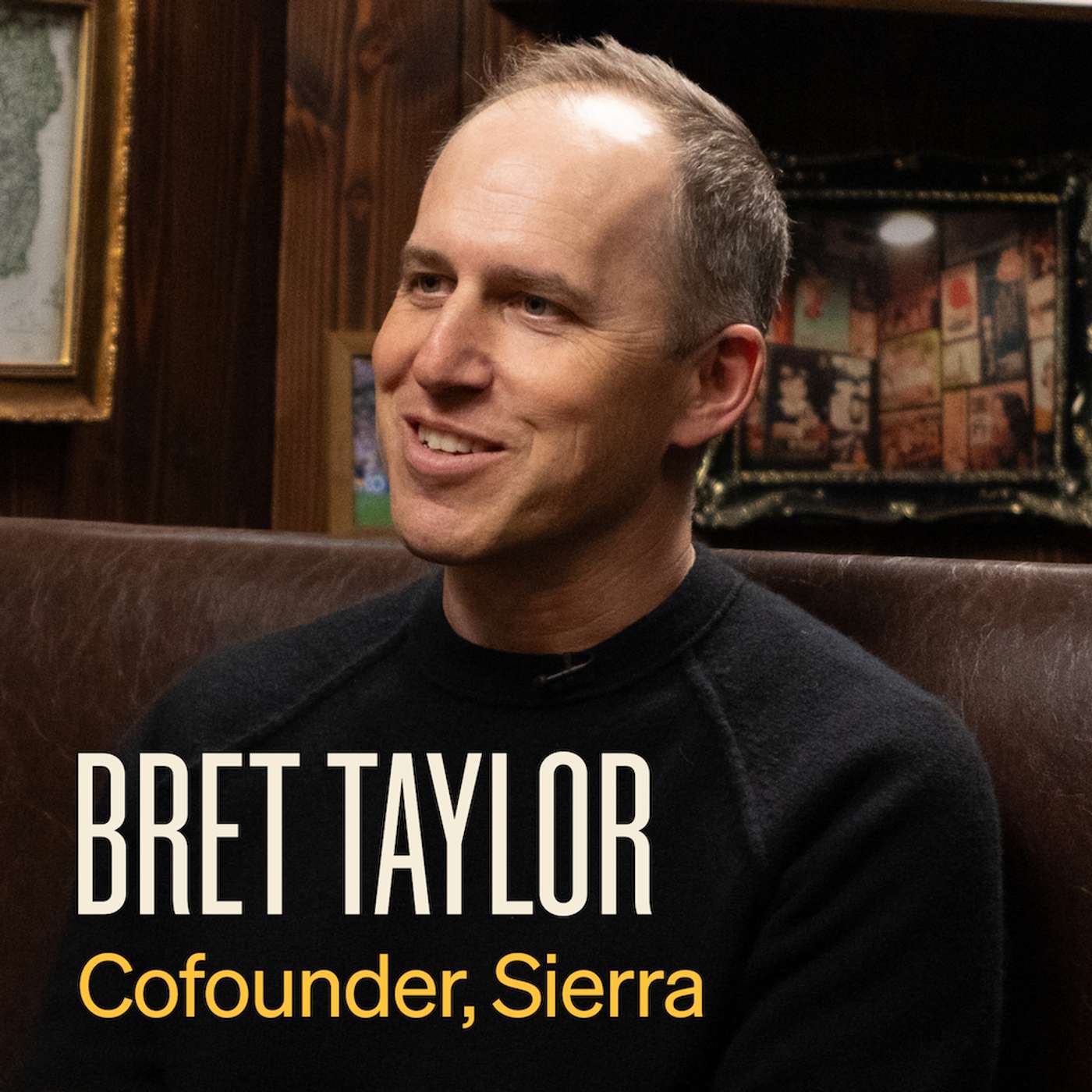
With AI tools being so new, no external "experts" exist. OpenAI's Chairman argues that the individuals best positioned to lead AI adoption are existing employees. Their deep domain knowledge, combined with a willingness to learn the new technology, makes them more valuable than any outside hire. Call center managers can become "AI Architects."
The immediate career advantage in the AI era goes to employees who become internal AI champions. As CEOs mandate AI adoption, those who are already AI-native and can teach their teams to become more efficient will receive massive promotions and raises. This creates a clear path for advancement by leading the AI transition from within.
