Get your free personalized podcast brief
We scan new podcasts and send you the top 5 insights daily.
The founder didn't need extensive market research. One cold call to a random pool company found on Yellow Pages was enough. Hearing a prospect describe their visceral pain with the phrase "The paper game is killing me" provided all the validation needed to start building.

Related Insights
To get unbiased feedback, don't mention your product. Instead, ask prospects about their #1 challenge. If they organically bring up the problem your product solves, you've found a real pain point and strong market pull.

Before spending money on product development, Atlas Bar's founder validated his idea by scraping emails of CrossFit gyms—his target demographic. He sent a cold survey describing the product concept and moved forward only after receiving a 100% "would consider purchasing" response rate, effectively minimizing initial financial risk.

Instead of guessing what your audience will buy, validate their problems directly. Offer 30-45 minute consulting calls for a small fee. After just five to ten calls, you'll uncover clear patterns in their challenges, revealing the exact high-value service or product you should build next.
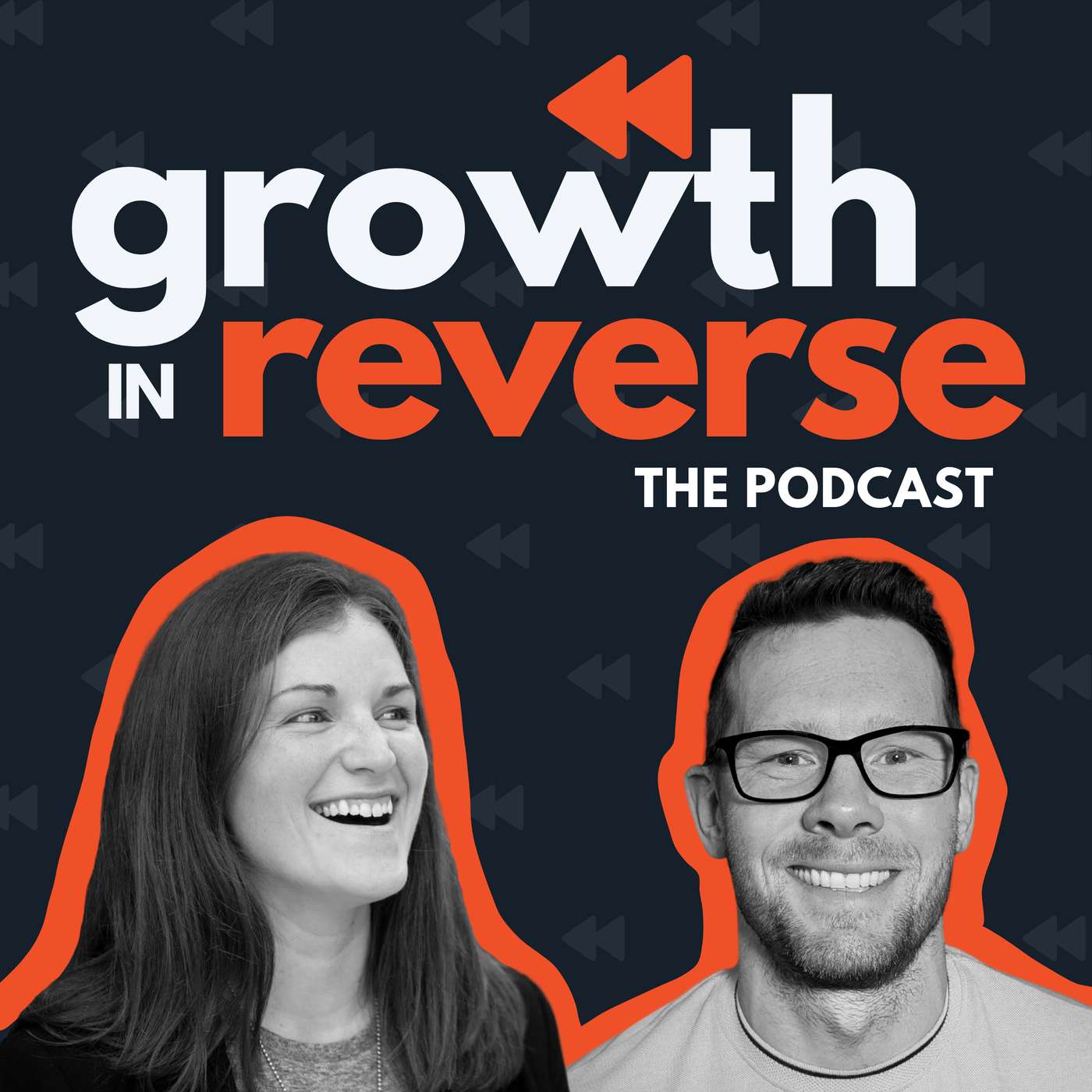
Instead of pitching for a company's largest production contract, Senra's founder started by knocking on doors and asking for their 'worst harness.' This go-to-market strategy de-risks the engagement for the customer, proves the startup's capabilities on a painful problem, and builds trust for larger contracts later.
Instead of building an MVP, pitch a one-liner about your solution to a target audience and gauge their reaction. Passionate, unsolicited stories about their pain points signal strong problem-solution fit. This method provides objective validation with minimal resources.

The strongest companies are built by founders who have personally and painfully experienced the problem they're solving. This visceral understanding is non-negotiable. Without it, founders can't know what to build or how to achieve third-party validation, wasting immense time and resources.

To build conviction for a cold call, reps can use a simple framework: What does the target company do? How do they make money? What is their customer's user experience? This quickly uncovers potential pain and creates a strong outreach hypothesis.
During validation calls for Merge, prospective customers expressed extreme annoyance with the status quo but were skeptical the founders could technically solve it. This combination was the ultimate signal: the pain was immense, and a successful solution would be highly defensible and valuable.

While friends and family may buy a product out of support, the first sale to a complete stranger is a crucial moment of validation. For Michael Dubin, this "stranger validation" was the encouragement needed to confirm that the problem he was solving was real and that the business had potential.

The best market opportunities are problems customers aren't actively solving because they assume no solution exists. When you surface both the dormant problem (like paper forms) and a viable solution, you "activate" their pain, creating an immediate need with little competition.
