Get your free personalized podcast brief
We scan new podcasts and send you the top 5 insights daily.
Matt Winton left a $3B franchise at Biogen for a startup COO role. His motivation was to shift from supporting board meetings to being directly accountable in them and to move from building a franchise to building an entire company from scratch.

Related Insights
To successfully transition from a large company like Microsoft to a startup, proactively seek out "zero-to-one" projects and entrepreneurial environments within the larger organization. This builds the necessary full-stack business muscle before making the leap.

Seneca's founder turned down lucrative offers to run larger companies. For him, the unique, "insanely gratifying" value of founding is the ability to create the mission from scratch and dedicate his life force to a specific desired change in the world, a power not available in an existing CEO role.

Moving from a large corporation to a startup requires blending foundational knowledge of scaling processes with newfound resourcefulness and risk appetite. This transition builds a holistic business muscle, not just a product one, by forcing leaders to operate without endless resources or established brand trust.
Base Power's culture of execution was set by its first ~10 hires—senior leaders from Tesla and SpaceX who initially worked as individual contributors. This "lead from the front" model, where leaders still do IC work, cascaded through the company as it scaled to 250 people.

Vimal Kapur attributes his success to starting in a Honeywell joint venture that had zero revenue. This "startup within a corporation" forced him to wear multiple hats and learn flexibility and scaling from the ground up, providing a powerful career foundation.

The transition from a resource-rich environment like Novartis to an early-stage biotech reveals a stark contrast. The unlimited access to a global organization is replaced by a total reliance on a small, nimble team where everyone must be multi-skilled and hands-on, a change even experienced executives find jarring.

Kenai CEO Nick Manusos attributes his startup success to his varied background at Abbott Labs, moving from manufacturing to sales to BD. This breadth prepared him to handle the multifaceted demands of a startup, where a leader must be a generalist who is comfortable with constant change.
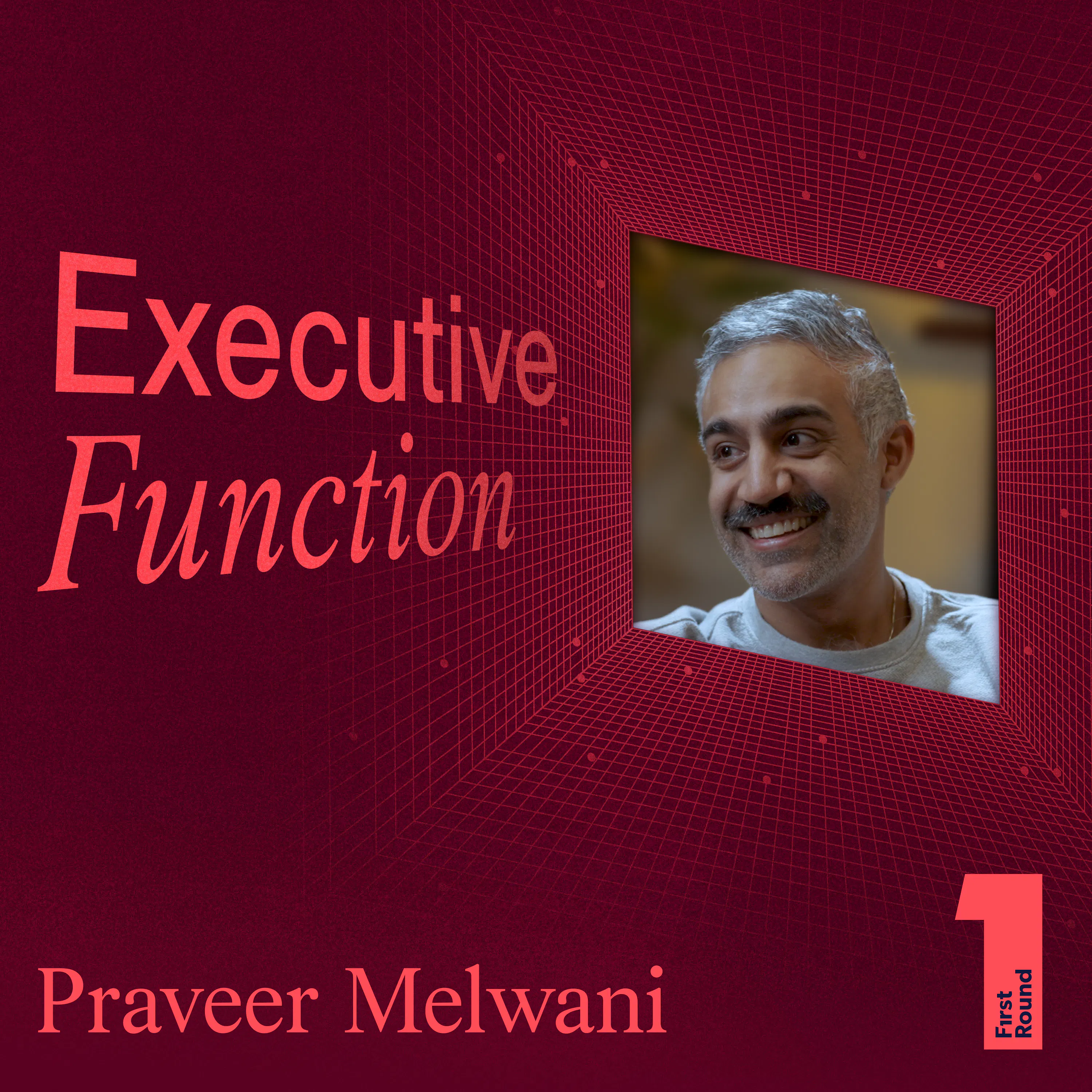
Figma's CFO Praveer Melwani left stable, high-growth companies because he realized he wanted the empowerment to make decisions, not just replicate a successful growth story. High-potential employees are often motivated more by autonomy and impact than stability.
Hired managers optimize existing models, but founders are willing to reinvent the business entirely. During disruptive eras, like the current AI shift, founders are more likely to make the bold, necessary pivots to survive and thrive, while professional CEOs will be too conservative.

Declan Doogan's motivation for leaving a 25-year career at Pfizer wasn't just to start one company. He sought "agency"—the freedom from being tied to a single large employer, enabling him to engage in a broad portfolio of partnerships and ventures in the more dynamic and exciting startup world.