Get your free personalized podcast brief
We scan new podcasts and send you the top 5 insights daily.
China and North Korea are leveraging the war in Ukraine as a low-risk opportunity for military modernization. They gain invaluable modern combat experience for their troops and can field-test their military technology through Russian proxies, all without bearing the full costs and risks of direct involvement.

Related Insights
By supplying Russia with munitions for its war in Ukraine, North Korea is receiving high-end Russian technology in return. This allows its weapons program to overcome critical obstacles in ICBM, satellite, and submarine-launch capabilities, accelerating the threat to the U.S. homeland.

The primary threat from alliances like Russia, China, and Iran lies not in sales of ships or planes, but in the creation of 'learning communities.' These nations share hard-won lessons from their respective conflicts, such as Russia teaching Iran how to build better drones based on its experience in Ukraine. This agile knowledge transfer poses a more significant challenge to Western military superiority.
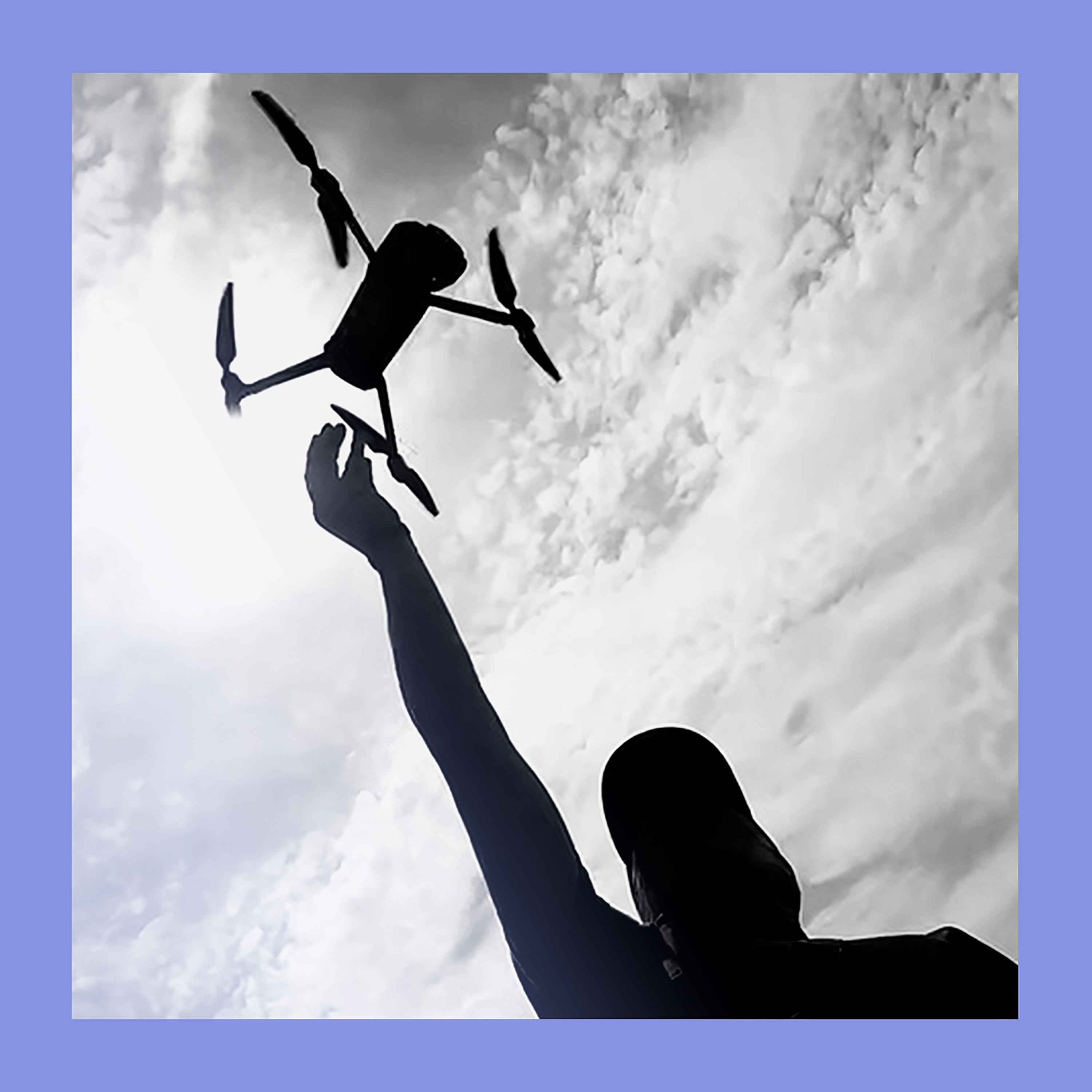
Lacking recent combat experience since 1979, China is seeking high-end military assistance from Russia, specifically drone data and tactical lessons from the Ukraine front line. This transforms its economic and diplomatic support for Russia into a strategic opportunity to modernize its own military understanding.

Just as Silicon Valley is the center for consumer tech, Kyiv and Ukraine are now the global hub for defense innovation. The rapid, real-world iteration on the battlefield provides unparalleled learning for military tech, strategy, and government organization that the West must integrate.
Deploying advanced weapons in lower-threat environments serves as a test run but also provides a strategic gift to major adversaries. China's PLA gains invaluable intelligence on the performance, signatures, and capabilities of new U.S. systems by observing their use against Iran, allowing them to develop countermeasures without any cost or risk.

China is the biggest winner of the conflict, watching its strategic rival, Russia, "bleed itself away" while remaining bogged down. It also profits financially, as 90% of the components for Ukraine's seven million annual drones are sourced from China, showcasing its critical role in the global supply chain.

By forcing the U.S. to operate its air defense systems at scale, the conflict in Iran is inadvertently providing China with a treasure trove of intelligence. The Chinese can observe how these systems perform, identify weaknesses, and refine their own tactics for a potential future conflict.
Russia has become a "third wheel" in the China-North Korea relationship, providing military tech and battlefield experience. This gives Kim Jong Un an alternative great power to engage with, diminishing Beijing's traditional role as Pyongyang's primary patron and complicating regional dynamics.

The Ukraine war has forged a new defense industrial bloc. Russia's ability to sustain its war effort is now critically dependent on a consistent supply of Chinese components, North Korean ammunition, and Iranian drone technology, creating a deeply interconnected anti-Western military-industrial axis.
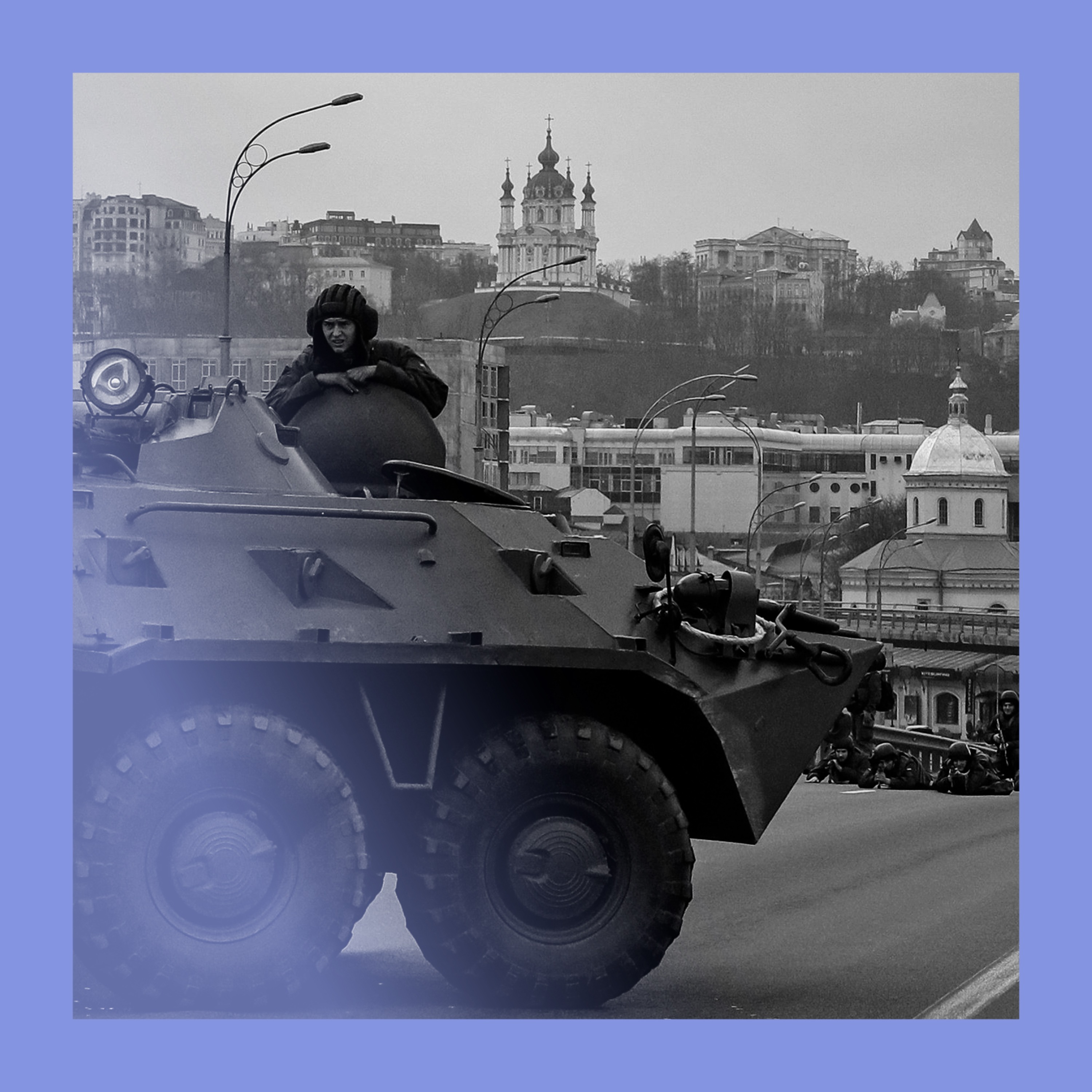
Nations are now prioritizing partnerships with countries that have battle-tested expertise in modern warfare, like Ukraine's drone defense. This practical capability is becoming more valuable than traditional alliances with superpowers whose military technology may be outdated for current threats.