Get your free personalized podcast brief
We scan new podcasts and send you the top 5 insights daily.
By supplying Russia with munitions for its war in Ukraine, North Korea is receiving high-end Russian technology in return. This allows its weapons program to overcome critical obstacles in ICBM, satellite, and submarine-launch capabilities, accelerating the threat to the U.S. homeland.

Related Insights
The U.S. fell from 85% of global nuclear enrichment capacity to less than 0.1% due to the "megatons to megawatts" program. This post-Cold War initiative involved buying down-blended Russian weapons material, effectively outsourcing the fuel supply and allowing U.S. capability to atrophy.
The survivability of nuclear-armed submarines, the cornerstone of second-strike capability, relies on their ability to hide. AI's capacity to parse vast sensor data to find faint signals could 'turn the oceans transparent,' making these massive vessels detectable and upending decades of nuclear deterrence strategy.

A data-scraping study of North Korean state media reveals a quantifiable doctrinal shift. Official statements have moved from justifying nuclear weapons for defense to increasingly discussing their offensive and preemptive use, suggesting a pivot toward a tactical nuclear warfighting strategy.
Because North Korea has pre-delegated nuclear launch authority and a "use or lose" posture, a minor conventional incident like a drone incursion could trigger a rapid, uncontrolled escalation spiral. This creates a terrifyingly plausible scenario for accidental nuclear war.
Developing nuclear weapons is technically difficult. AI can lower this barrier by optimizing complex processes like centrifuge design, explosives modeling, and supply chain management. It can also help nascent programs evade export controls, making a bomb more attainable for smaller states without established nuclear industries.
After licensing Iran's Shaheed drones for use in Ukraine, Russia improved them and developed new battlefield tactics. Russia is now sharing this advanced operational knowledge back with Iran, the system's originator, accelerating the evolution of drone warfare for both nations.

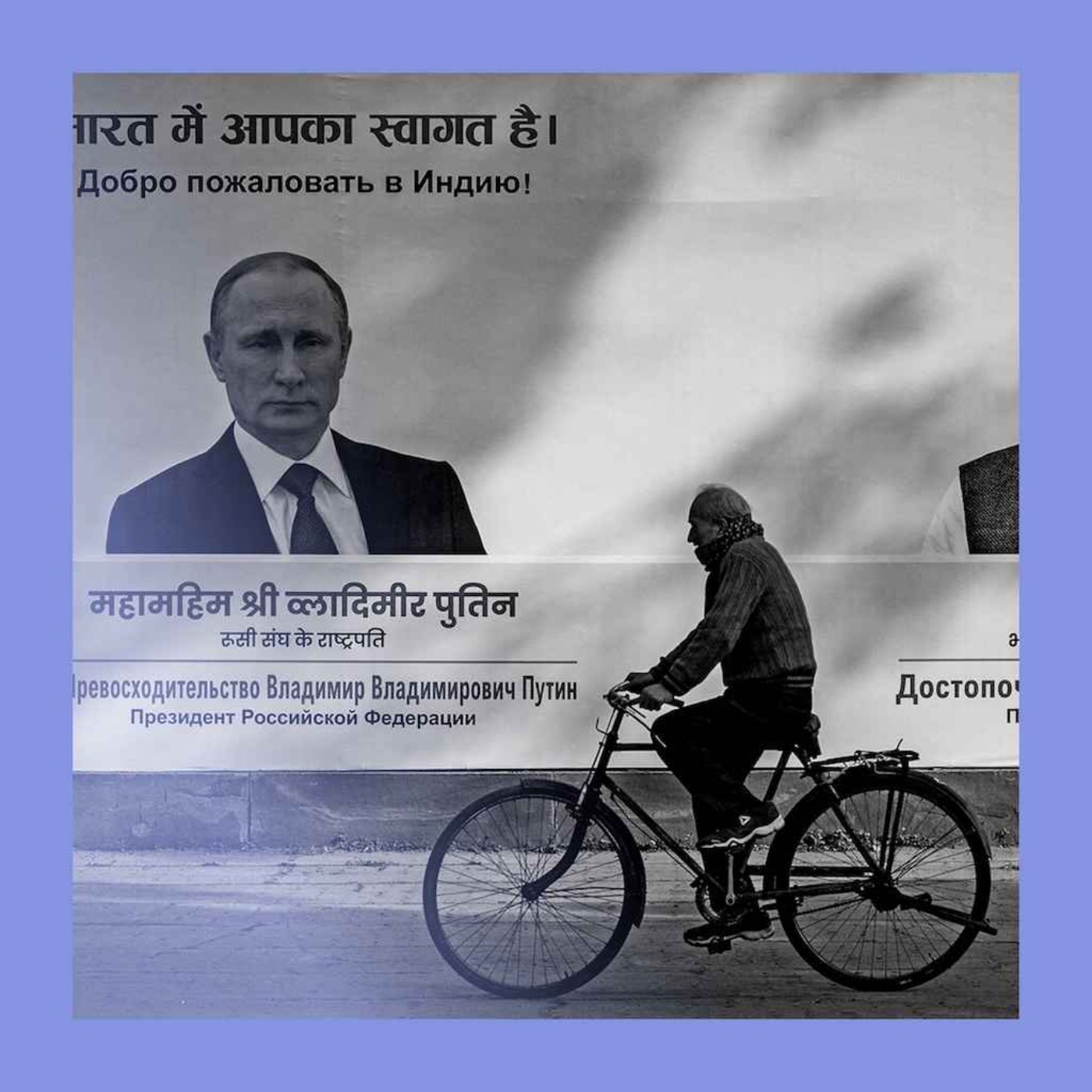
Facing a steep decline in its share of India's defense imports from over 70% to 35%, Russia is offering full technology transfers with its military hardware, like the Su-57 fighter jet. This strategic incentive, which Western suppliers have not provided, is designed to reverse India's drift towards American, French, and Israeli equipment.
The current geopolitical landscape shows that nations with nuclear weapons can act with impunity, while non-nuclear nations are vulnerable. The West's hesitant support for Ukraine reinforces this lesson, creating a rational incentive for smaller countries to pursue their own nuclear deterrents, risking dangerous proliferation.

North Korea views the U.S. attacks on Iran's nascent nuclear facilities as proof of its own program's superior survivability. Seeing the U.S. struggle to neutralize a less advanced, concentrated program validates North Korea's long-term investment in a dispersed, hidden nuclear arsenal.
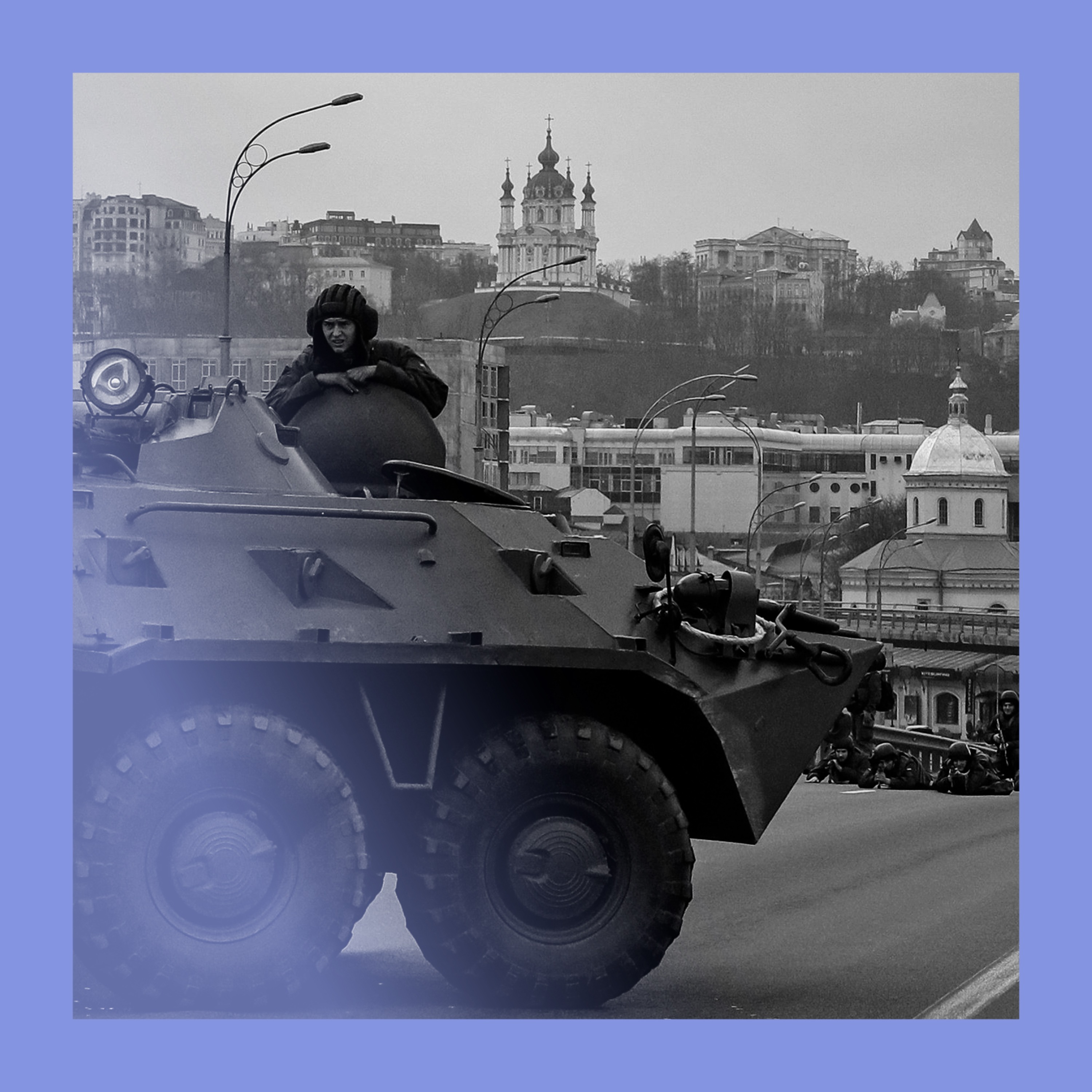
The Ukraine war has forged a new defense industrial bloc. Russia's ability to sustain its war effort is now critically dependent on a consistent supply of Chinese components, North Korean ammunition, and Iranian drone technology, creating a deeply interconnected anti-Western military-industrial axis.