Get your free personalized podcast brief
We scan new podcasts and send you the top 5 insights daily.
In a highly competitive AI market, GitHub differentiates itself by prioritizing "developer choice." Instead of locking users into Microsoft's ecosystem, it actively partners with rivals like Anthropic and OpenAI, ensuring developers can use their preferred models and tools on the GitHub platform.

Related Insights
To survive against subsidized tools from model providers like OpenAI and Anthropic, AI applications must avoid a price war. Instead, the winning strategy is to focus on superior product experience and serve as a neutral orchestration layer that allows users to choose the best underlying model.

OpenAI embraces the 'platform paradox' by selling API access to startups that compete directly with its own apps like ChatGPT. The strategy is to foster a broad ecosystem, believing that enabling competitors is necessary to avoid losing the platform race entirely.

As major AI players like SpaceX/Cursor and Anthropic build closed ecosystems and change pricing, companies face significant vendor lock-in risk. An open IDE layer that supports multiple AI models becomes a strategic asset, allowing teams to avoid price hikes and switch to better models without overhauling workflows.

Enterprise platform ServiceNow is offering customers access to models from both major AI labs. This "model choice" strategy directly addresses a primary enterprise fear of being locked into a single AI provider, allowing them to use the best model for each specific job.

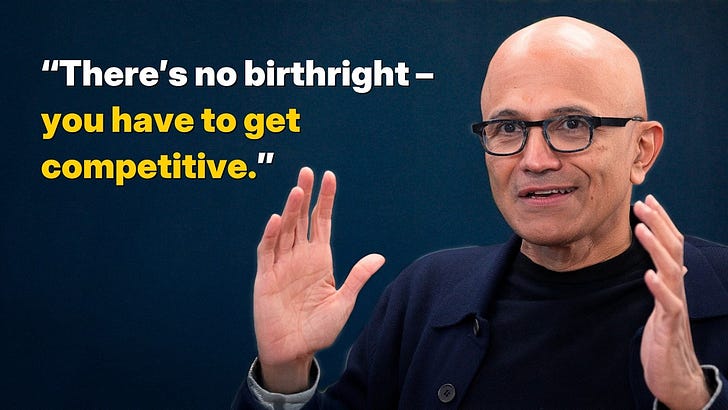
A true platform company prioritizes developer choice over favoring its own products. Nadella emphasizes that failing to support all tools, including competitors, will cause developers to leave the platform. This mindset is key to long-term platform dominance and preventing churn.
Cursor positions itself as a model-agnostic platform, turning potential competitors like OpenAI and Anthropic into partners. By being the "Snowflake for SDLC" on top of the "hyperscaler" models, they create a differentiated value layer focused on a vertical use case.

Despite being key backers of OpenAI, Microsoft and NVIDIA are investing heavily in its competitor, Anthropic. This signals a strategic shift by tech giants to diversify their AI investments, ensuring no single lab becomes dominant and fostering a more competitive ecosystem.

Faced with growing competition in AI coding assistants, Microsoft's GitHub is positioning itself as the central hub. By becoming the 'Agent HQ' where developers can manage and deploy multiple competing agents, GitHub ensures its platform's growth regardless of which agent wins.
Instead of competing directly with AI giants like OpenAI and Anthropic, coding tool Warp is open-sourcing its platform. The strategy is to become a neutral environment where developers can run any coding agent they prefer. This shifts the battle from building the best agent to building the best ecosystem and distribution channel.

Anthropic is making its models available on AWS, Azure, and Google Cloud. This multi-cloud approach is a deliberate business strategy to position itself as a neutral infrastructure provider. Unlike competitors who might build competing apps, this signals to customers that Anthropic aims to be a partner, not a competitor.