Get your free personalized podcast brief
We scan new podcasts and send you the top 5 insights daily.
When German Chancellor Merz failed to defend Spain against President Trump's criticism during a White House visit, it was perceived not just as strategic silence, but as an active betrayal of European solidarity. This moment highlights internal EU fractures when faced with external pressure from the U.S.

Related Insights
During the Greenland crisis, Europe employed a two-pronged strategy against Trump's threats. While some leaders like Alexander Stubb pursued de-escalation, others subtly signaled Europe's formidable economic power—a "bazooka" in trade and finance—to create leverage and coerce a non-military resolution.
The current strain in the transatlantic relationship has evolved beyond policy disputes, like the 2003 Iraq War, into a political crisis. Actions regarding Ukraine and Greenland are perceived as a "U.S. betrayal," shattering the foundational trust that once held the alliance together and making recovery far more difficult.
The transatlantic relationship is undergoing a fundamental "divorce." The future isn't about restoring the old alliance but creating a new, more detached partnership. Like friendly ex-spouses, the U.S. and Europe may coordinate on global issues, but only after Europe first defines and acts on its own independent interests.
The Greenland diplomatic row taught European leaders that their previous strategy of delicate diplomacy was ineffective with the Trump administration. By presenting credible retaliatory threats, they discovered they could achieve their objectives, signaling a major shift in transatlantic diplomatic strategy.
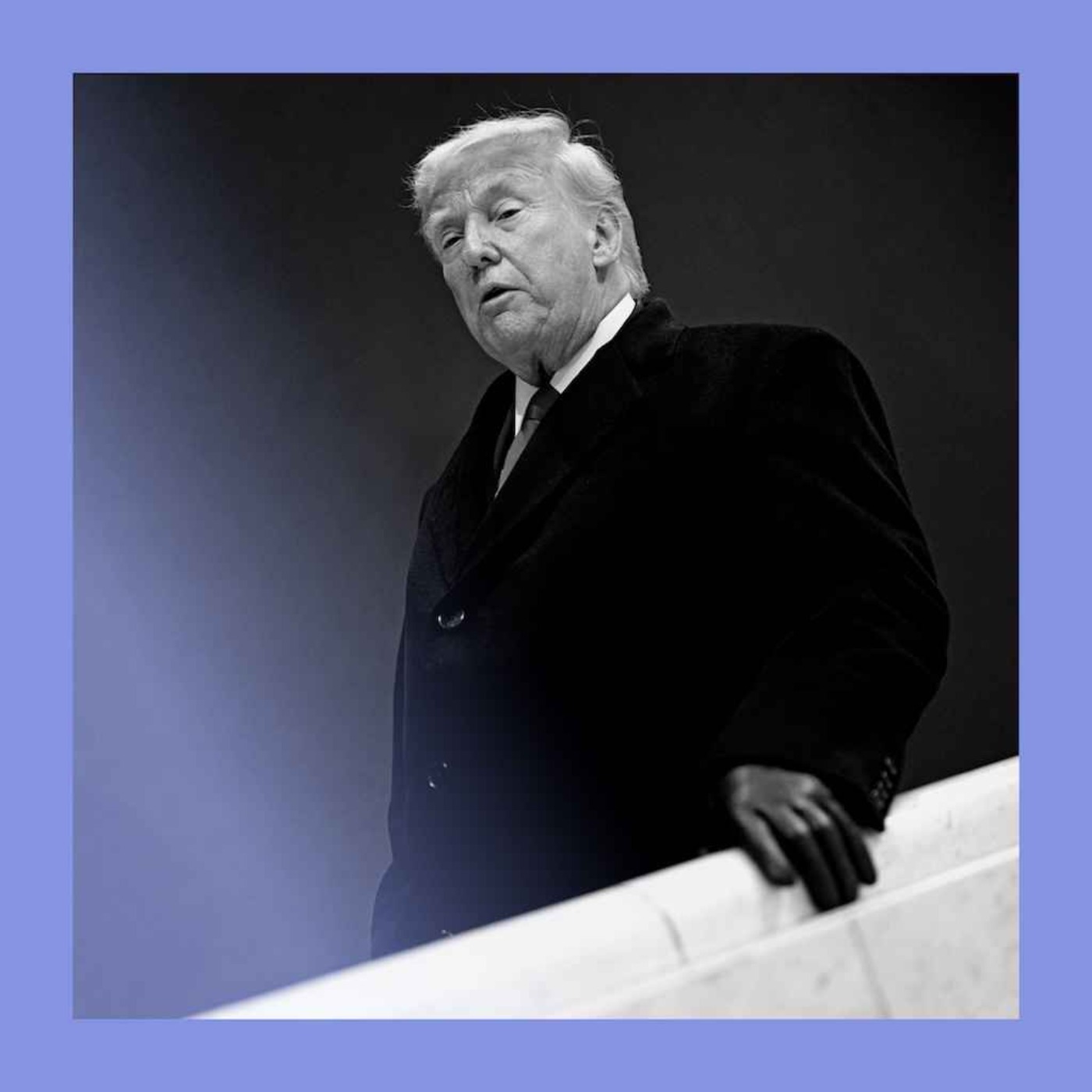
European leaders have a year's worth of evidence indicating that appeasing President Trump results in negative outcomes. Conversely, instances of standing firm—such as Spain denying base access or the collective response on Greenland—have shown that Trump's threats are often empty and defiance can be an effective strategy.
The President of Finland's quick reversal on whether Europe can defend itself without America reveals a critical vulnerability. Despite public posturing of self-sufficiency, European security is deeply dependent on the U.S., undermining their leverage in negotiations and exposing their claims as a bluff.

The true threat from Europe's far-right isn't their electoral success, but the "pollution" of mainstream center-right parties with their nationalist ideas. Mainstream leaders are adopting anti-EU integration stances and rowing back on collective policies, threatening European unity more effectively than fringe parties could alone.
Europe faces a dual threat: an aggressive Russia waging hybrid warfare on its eastern flank, and a Trump-led America that actively prefers a fragmented, weaker Europe. A disunified EU allows the U.S. to cut more favorable bilateral deals, leaving Europe vulnerable from both sides without its traditional transatlantic security guarantee.

Even though President Trump backed down on tariffs over Greenland, the episode permanently eroded European trust in the U.S. as a reliable NATO partner. The erratic nature of the dispute raised serious questions about American dependability on more critical issues like Ukraine, suggesting long-term damage to the alliance.
The administration's aggressive, unilateral actions are pushing European nations toward strategic autonomy rather than cooperation. This alienates key partners and fundamentally undermines the 'Allied Scale' strategy of building a collective economic bloc to counter adversaries like China.
