Get your free personalized podcast brief
We scan new podcasts and send you the top 5 insights daily.
European leaders have a year's worth of evidence indicating that appeasing President Trump results in negative outcomes. Conversely, instances of standing firm—such as Spain denying base access or the collective response on Greenland—have shown that Trump's threats are often empty and defiance can be an effective strategy.

Related Insights
During the Greenland crisis, Europe employed a two-pronged strategy against Trump's threats. While some leaders like Alexander Stubb pursued de-escalation, others subtly signaled Europe's formidable economic power—a "bazooka" in trade and finance—to create leverage and coerce a non-military resolution.
By threatening to withdraw from NATO, Trump can force allies like Denmark into deals such as the one for Greenland. While this leverage is effective for immediate goals, his unpredictable tactics cause long-term damage to America's international reputation and perceived stability.

Analysis of President Trump's actions regarding Greenland reveals a pattern: he follows through on threats unless he receives significant pushback. The most effective pushback appears to be a negative financial market reaction, which has repeatedly caused him to de-escalate.

The Greenland diplomatic row taught European leaders that their previous strategy of delicate diplomacy was ineffective with the Trump administration. By presenting credible retaliatory threats, they discovered they could achieve their objectives, signaling a major shift in transatlantic diplomatic strategy.
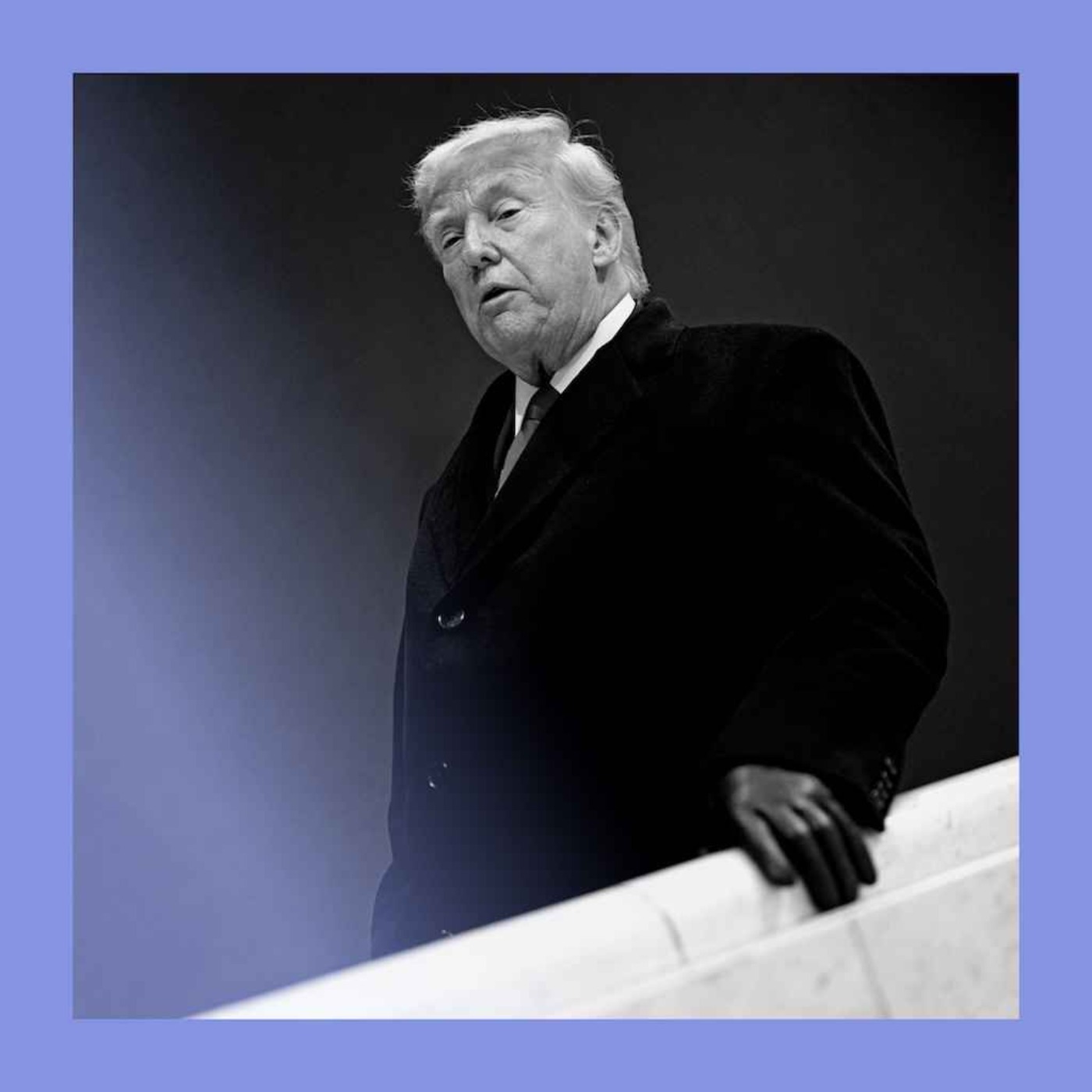
The seemingly bizarre US rhetoric about Greenland is not a genuine territorial ambition. Instead, it is a calculated, strong-arm tactic designed to give European nations political cover to increase their own military spending and adopt a 'war footing,' aligning with US interests against China and its allies.

Actions like the Greenland affair are alienating allies like Canada and the EU. This pushes them to pursue independent, softer trade policies with China to secure economic benefits, seeing it as diversification rather than a strategic pivot away from the US.

When German Chancellor Merz failed to defend Spain against President Trump's criticism during a White House visit, it was perceived not just as strategic silence, but as an active betrayal of European solidarity. This moment highlights internal EU fractures when faced with external pressure from the U.S.
Even though President Trump backed down on tariffs over Greenland, the episode permanently eroded European trust in the U.S. as a reliable NATO partner. The erratic nature of the dispute raised serious questions about American dependability on more critical issues like Ukraine, suggesting long-term damage to the alliance.
The administration's aggressive, unilateral actions are pushing European nations toward strategic autonomy rather than cooperation. This alienates key partners and fundamentally undermines the 'Allied Scale' strategy of building a collective economic bloc to counter adversaries like China.

Europe's response to Trump's threats over Greenland is a "gold standard" of collective action. By signaling a credible willingness to retaliate with economic tools, European leaders spooked financial markets with the prospect of a trade war. This market pressure was the key factor that caused the Trump administration to back down.