Get your free personalized podcast brief
We scan new podcasts and send you the top 5 insights daily.
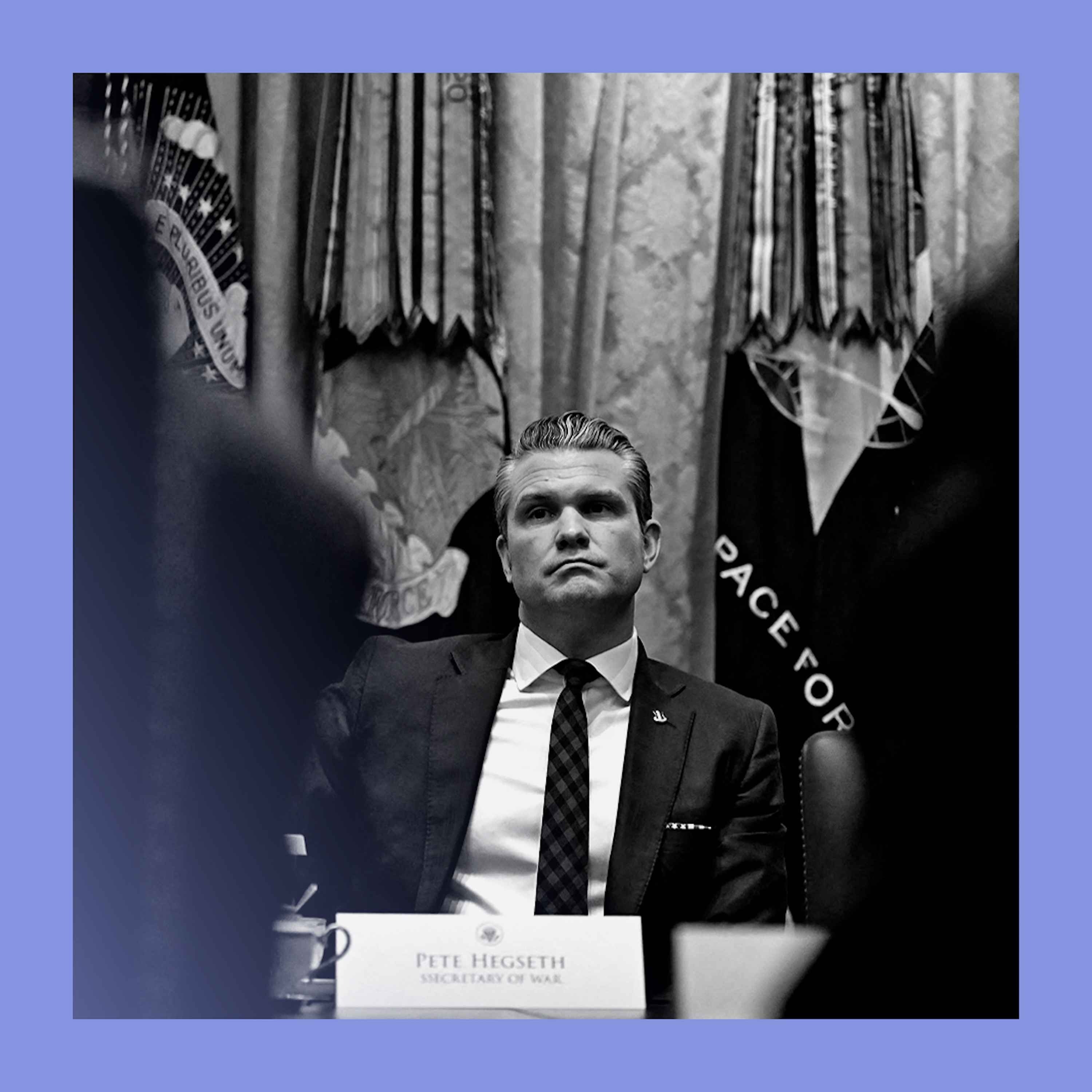
Secretary of Defense Pete Hegseth is deliberately reshaping the military's officer corps to fit his partisan image. This involves removing qualified officers from promotion lists based on their race and gender, treating their very existence as a partisan act.

Related Insights
The ongoing purges in China's military are likely more than just power consolidation. Bill Bishop suggests Xi Jinping may be intentionally removing entire generations of senior officers who rose by buying their promotions. This radical "decapitation" aims to clear the way for a younger, more meritocratic officer class.
By limiting the hiring pool to specific demographics (e.g., a "woman of color"), organizations like the fire department or even the Vice Presidency are no longer selecting from the most qualified candidates overall. Carolla argues this is a form of meritocracy decay that guarantees a lower-quality outcome.

The military's career path rewards generalist experience, effectively punishing officers who specialize in critical fields like AI and cyber. Talented specialists are forced to abandon their expertise to get promoted, leading many to leave the service not for money, but to continue doing the work they excel at.

Our default method for promotion—open competition—is flawed because it disproportionately attracts and rewards individuals who most desire power, not necessarily those best suited for leadership. The Founding Fathers understood this, preferring reluctant leaders. Alternative models, like deliberation by a select body, can produce more competent and less self-interested leaders.

The White House and Pentagon are deliberately shifting blame for a controversial military strike onto a subordinate admiral. This tactic insulates political leaders like the Secretary of Defense, whose rocky tenure and past blunders created the context for such controversial actions, from accountability.
Research highlights a significant bias in promotion decisions. Men are often judged on their perceived capabilities two years in the future, allowing for deficits. In contrast, women are typically evaluated strictly against their current skill set, penalizing them for not already possessing every requirement of the role.

Political figures often focus on superficial issues like beards and physical fitness, which directly conflicts with the professional military's culture. The armed services value deep competence, humility, and character—qualities essential for managing lethal force and complex global operations, regardless of appearance.

Secretary Hegseth's controversial military actions are rooted in a long-held belief, articulated before he took office, that lawyers have tied America's hands with "red tape." This "stab-in-the-back" myth, blaming legal constraints for past failures, now drives his radical approach to the laws of war.
Former Defense Secretary Lloyd Austin's tenure was hobbled by his lack of a DC network, preventing him from bringing in a trusted team. Arriving as 'just a guy with a briefcase,' his professional isolation led to weak leadership and a power vacuum now being filled by a more aggressive administration.
Trump allows officials he plans to fire, like Kristi Noem, to face public scrutiny and humiliation in hearings before their dismissal. This tactic serves his political purposes, demonstrating a lack of loyalty and respect for his team, using them as an "anger pillow."
