Get your free personalized podcast brief
We scan new podcasts and send you the top 5 insights daily.
Former Defense Secretary Lloyd Austin's tenure was hobbled by his lack of a DC network, preventing him from bringing in a trusted team. Arriving as 'just a guy with a briefcase,' his professional isolation led to weak leadership and a power vacuum now being filled by a more aggressive administration.

Related Insights
The White House and Pentagon are deliberately shifting blame for a controversial military strike onto a subordinate admiral. This tactic insulates political leaders like the Secretary of Defense, whose rocky tenure and past blunders created the context for such controversial actions, from accountability.
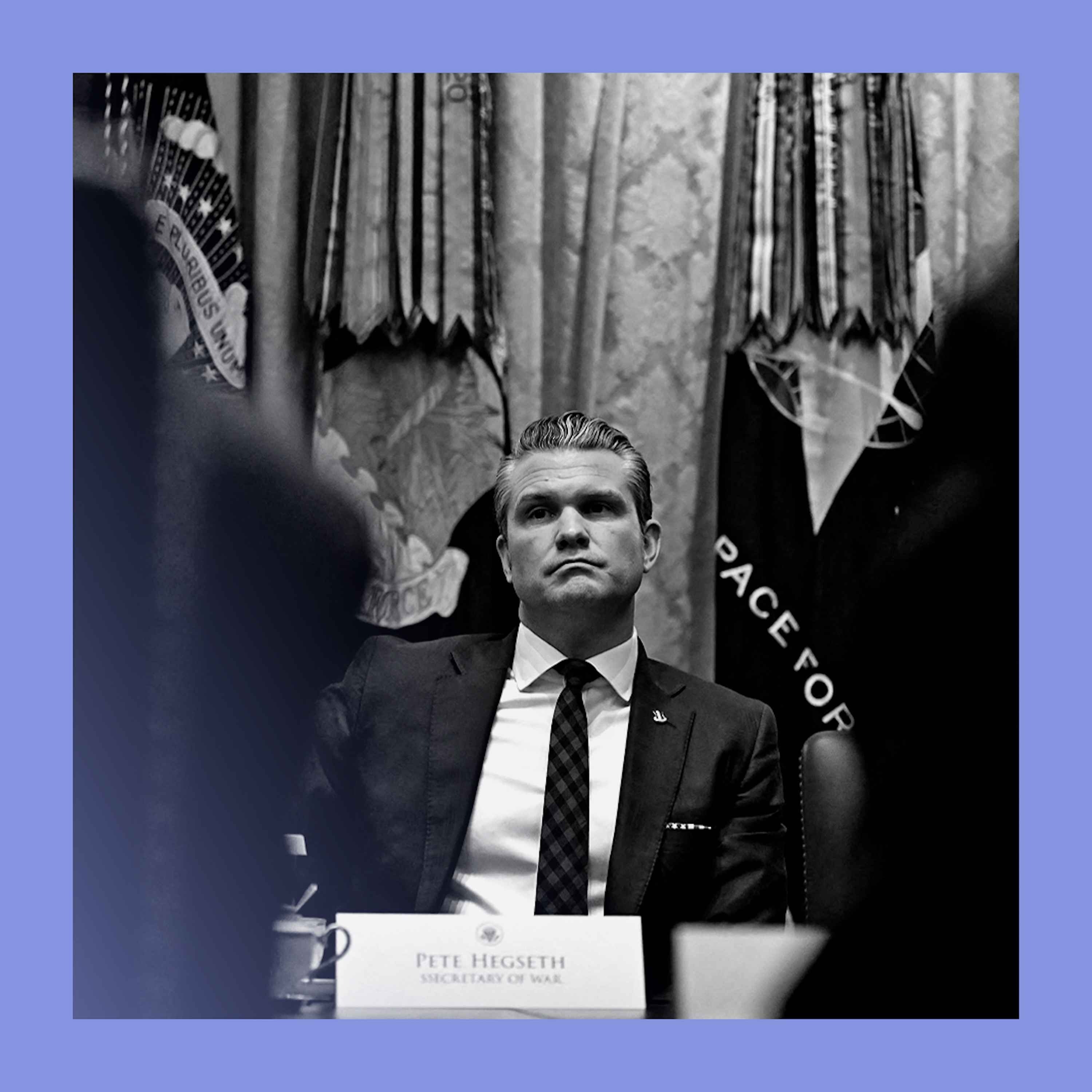
The military lacks the "creative destruction" of the private sector and is constrained by rigid institutional boundaries. Real technological change, like AI adoption, can only happen when intense civilian leaders pair with open-minded military counterparts to form a powerful coalition for change.

Bureaucracies, like AI models, have pre-programmed "weights" that shape decisions. The DoD is weighted toward its established branches (Army, Navy, etc.). Without a dedicated Cyber Force, cybersecurity is consistently de-prioritized in budgets, promotions, and strategic focus, a vulnerability that AI will amplify.
The resignation of key figures like Peter Marks triggered a cascade of departures, leaving the FDA with a significant loss of long-term institutional knowledge. This creates uncertainty around the execution of new policies and guidance for the biopharma industry.

The Department of Defense (DoD) doesn't need a "wake-up call" about AI's importance; it needs to "get out of bed." The critical failure is not a lack of awareness but deep-seated institutional inertia that prevents the urgent action and implementation required to build capability.
The US has historically benefited from a baseline level of high competence in its government officials, regardless of party. This tradition is now eroding, being replaced by a focus on loyalty over expertise. This degradation from competence to acolytes poses a significant, underrecognized threat to national stability and global standing.

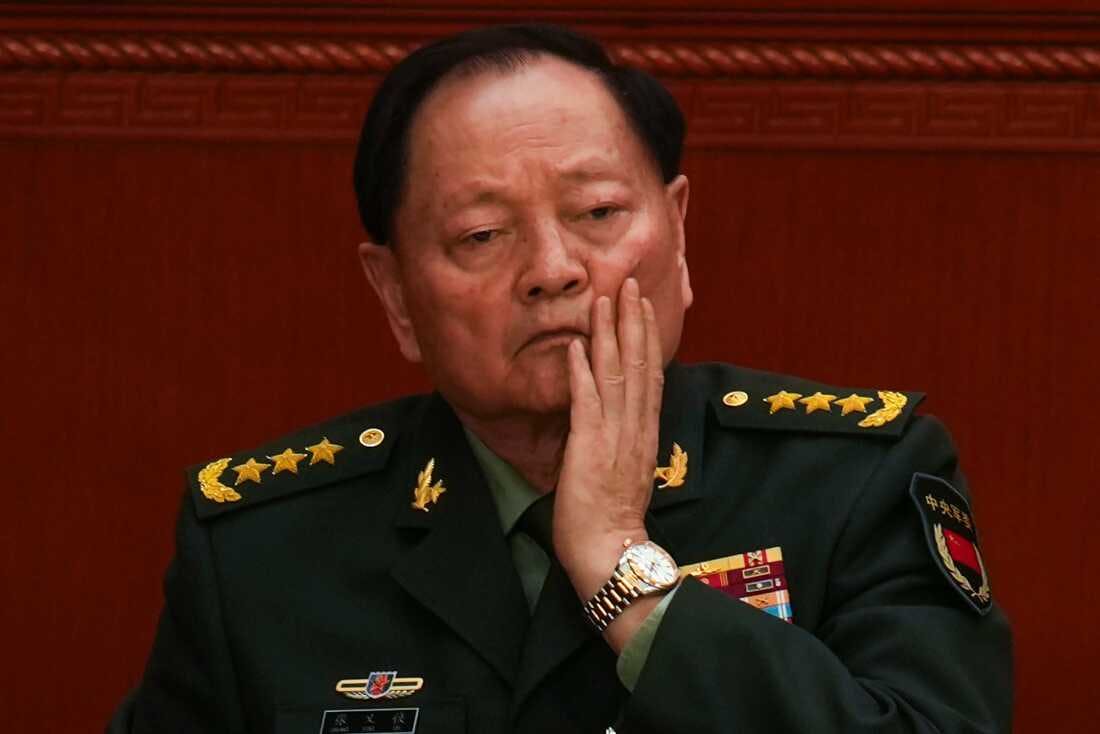
The recent purges have wiped out an entire generational cohort of PLA leaders, not just individuals. This creates a significant succession crisis and leadership vacuum, forcing Xi to promote a new, untested generation of officers with whom he has no established trust.
The inability to execute basic administrative functions, like correctly appointing a prosecutor, is more than just embarrassing—it's a national security risk. It projects weakness and incompetence on the world stage, eroding the 'brand' of American capability and emboldening adversaries who see a clown car instead of a superpower.

The CHIPS program director was chosen for the ability to 'get something done in government,' not for a background in semiconductors. For a massive federal startup, navigating bureaucracy and building processes from scratch is a more critical leadership skill than pre-existing industry knowledge, which can be hired onto the team.
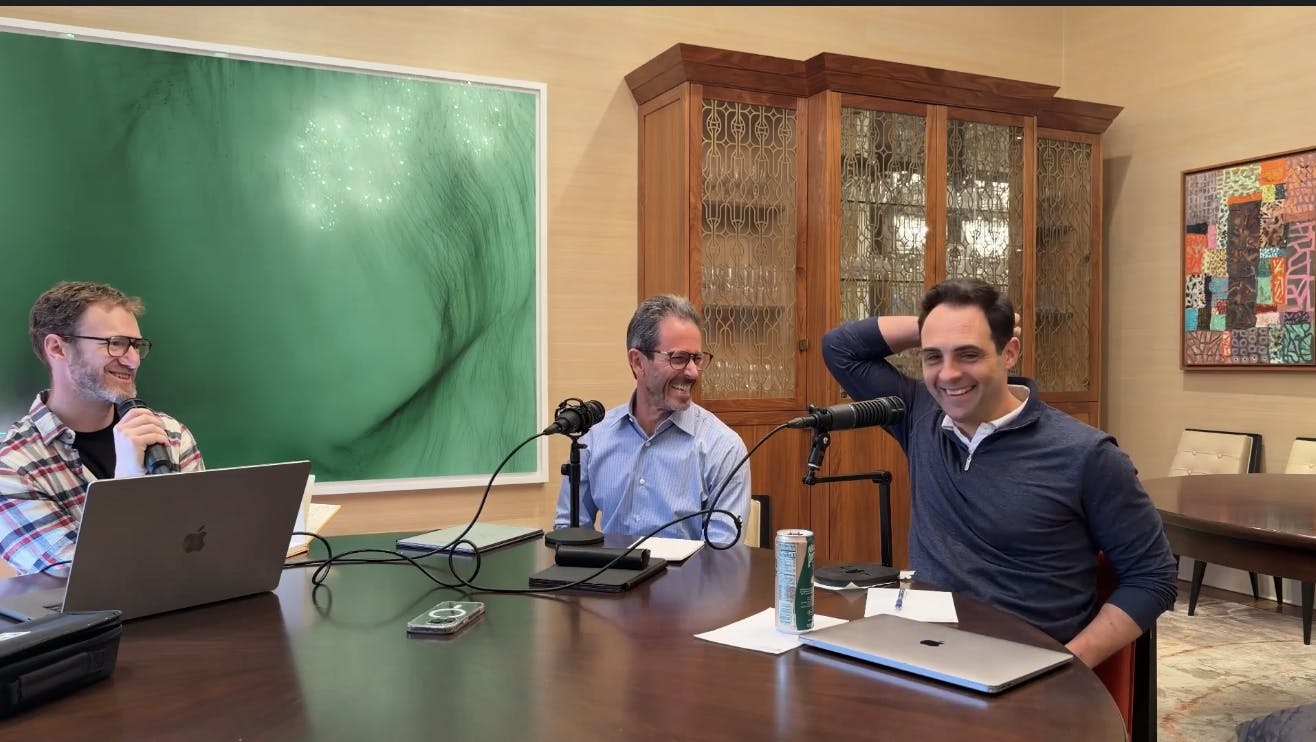
In Washington D.C., the daily visibility of uniformed military personnel normalizes national security as part of society. In Silicon Valley, this presence is nearly nonexistent. This cultural and geographic isolation helps explain the deep disconnect and lack of understanding between the two worlds.