Get your free personalized podcast brief
We scan new podcasts and send you the top 5 insights daily.
Trump allows officials he plans to fire, like Kristi Noem, to face public scrutiny and humiliation in hearings before their dismissal. This tactic serves his political purposes, demonstrating a lack of loyalty and respect for his team, using them as an "anger pillow."

Related Insights
A psychological tactic to neutralize Stephen Miller is to publicly portray him as the power behind the throne. Citing how the 'President Bannon' Time Magazine cover led to Steve Bannon's ousting, this strategy would trigger Trump's narcissism and cause him to push Miller away.
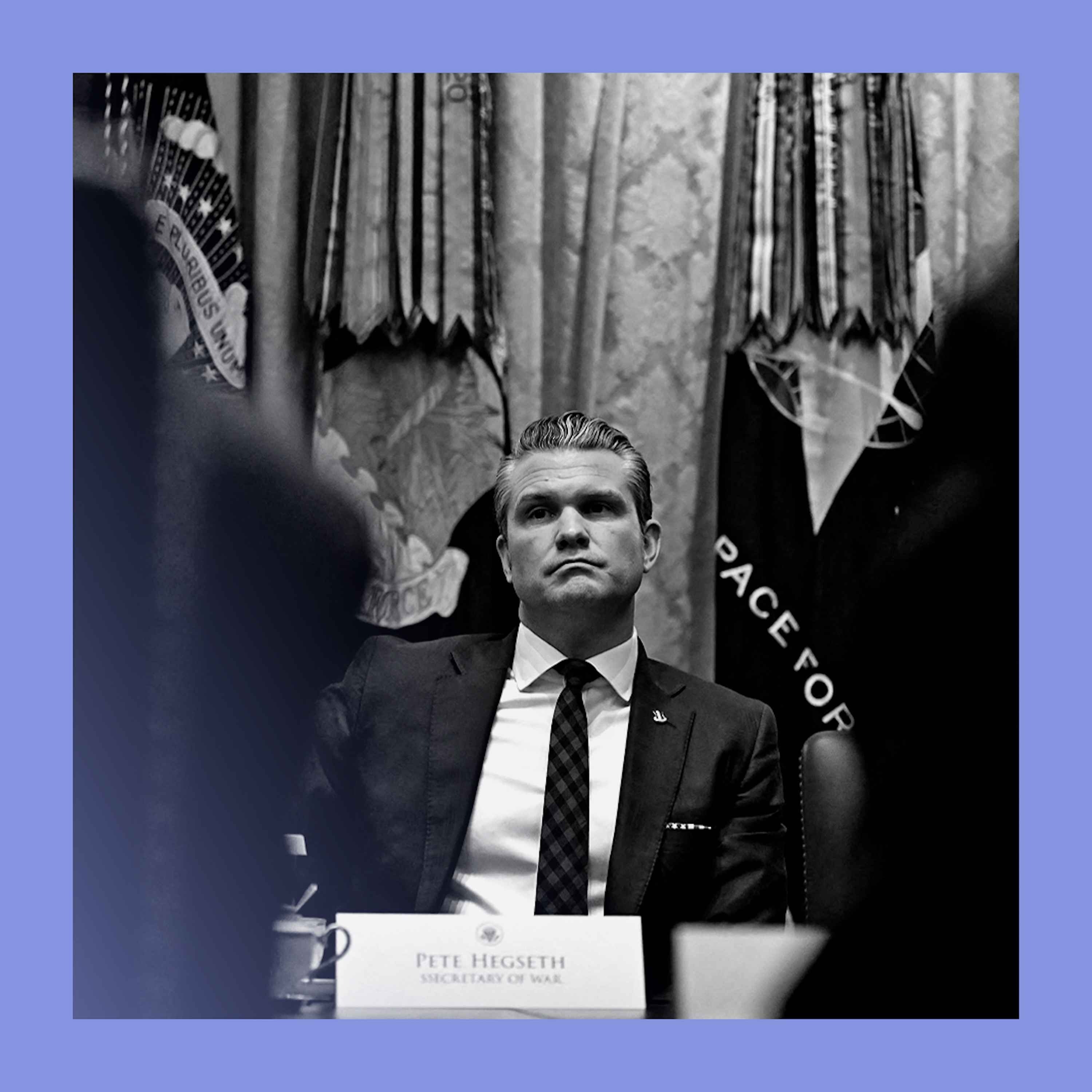
The White House and Pentagon are deliberately shifting blame for a controversial military strike onto a subordinate admiral. This tactic insulates political leaders like the Secretary of Defense, whose rocky tenure and past blunders created the context for such controversial actions, from accountability.
The combative, non-apologetic conduct of Trump appointees like Kristi Noem is not a personal failing but a deliberate strategy inherited from Trump's mentor, Roy Cohn. This philosophy of "interrupt, attack, never give an inch" is what Trump demands, resulting in public servants who cheapen government institutions.
A leader's desire to be liked can lead to a lack of candor, which is ultimately cruel. Avoiding difficult feedback allows underperformance to fester and makes an eventual firing a shocking surprise. This damages trust more than direct, consistent, and tough conversations would have.

Leaders struggling with firing decisions should reframe the act as a protective measure for the entire organization. By failing to remove an underperformer or poor cultural fit, a leader is letting one person jeopardize the careers and work environment of everyone else on the team.

People are more infuriated by hypocrisy than by open corruption. Because a figure like Trump doesn't pretend to adhere to any ethical norms, he can't be accused of being a hypocrite. This blatant shamelessness acts as a shield, making traditional attacks based on norm violations ineffective.

Much of the public conflict between powerful leaders isn't about substantive policy differences but about ego. The desire to avoid looking weak or like they are capitulating leads to political theater that prevents rational cooperation, even when both sides know the eventual outcome is inevitable.

When facing controversy, constituents often want the emotional satisfaction of a leader "screaming at people." True leadership, however, is resisting this urge, as performative anger can be counterproductive and worsen a situation, even if it feels validating in the moment.
Trump's seemingly chaotic approach is best understood as a CEO's leadership style. He tells his staff what to do rather than asking for opinions, uses disruption as a negotiation tactic, and prioritizes long-term outcomes over short-term public opinion or procedural harmony.

When a startup fails due to team issues, the root cause isn't the underperforming employee. It's the CEO's inability to make the hard, swift decision to fire them. The entire team knows who isn't a fit, and the leader's inaction demotivates and ultimately drives away top performers.
