Get your free personalized podcast brief
We scan new podcasts and send you the top 5 insights daily.
If your narrative of a failed relationship focuses exclusively on your ex-partner's faults, it's incomplete. True growth requires examining your own contributions, blind spots, and actions. This shifts you from a passive victim to an active participant who can learn and improve for future relationships.

Related Insights
Insisting a partner must change for you to be happy creates a state of "self-justifying passivity." You become trapped waiting for them, rather than reclaiming your power to improve the relationship by being the one who moves first towards understanding.
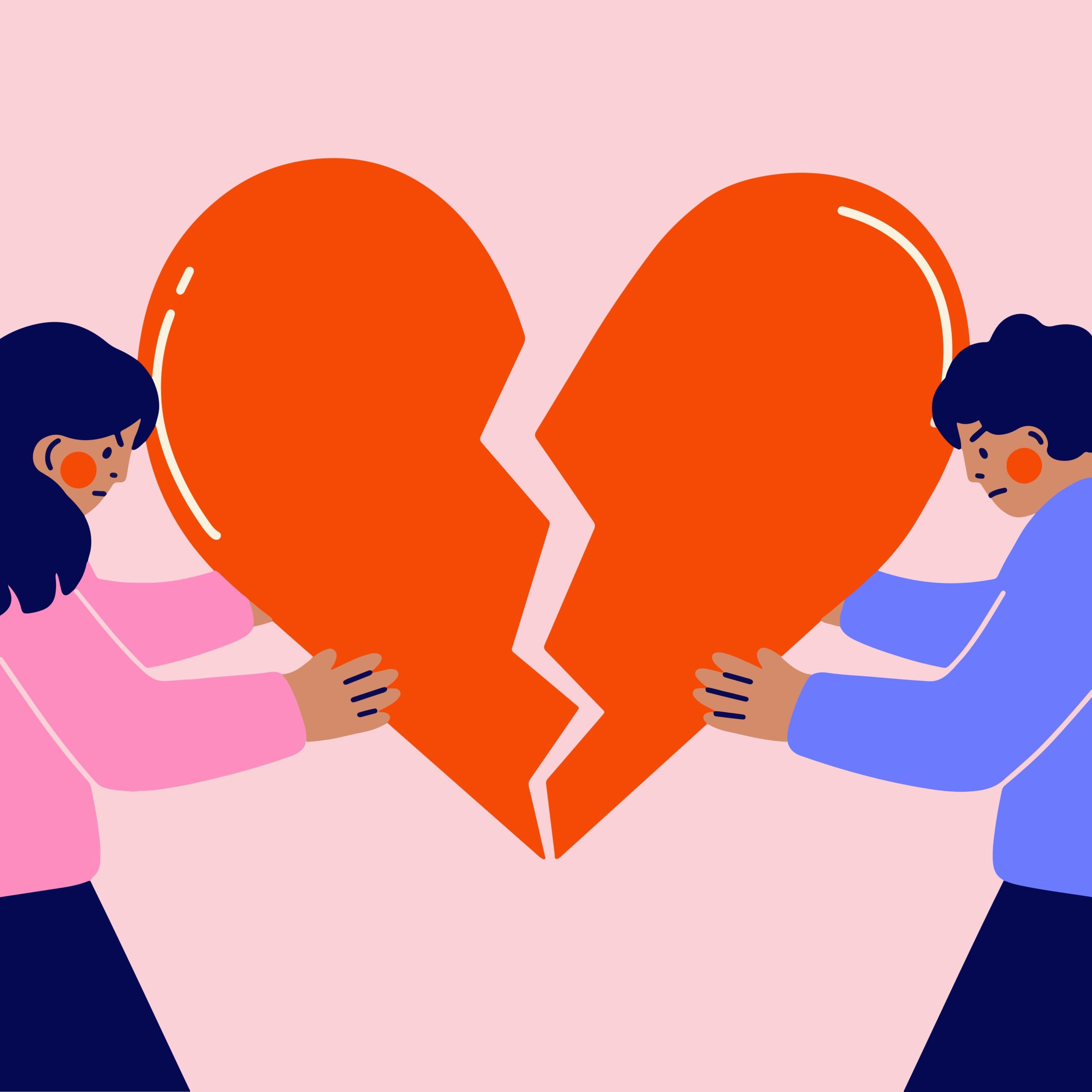
Giving a past partner the role of 'demon' gives them too much power over you. Instead, see them as a neutral 'revealer' who simply exposed a pre-existing wound or pattern within you. This depersonalizes the pain and shifts the focus from their power to your opportunity for self-awareness and growth.

Catastrophic relationship failures are rarely caused by a single event. Instead, they are the result of hundreds of small moments where a minor conflict could have been repaired with validation or an apology, but wasn't. The accumulation of these unrepaired moments erodes the relationship's foundation over time.

Resolving unfinished business after a relationship ends is a personal task. Imaginary dialogues can be more effective for emotional processing than real conversations with the other person, who may be unavailable or unwilling. Closure comes from within, not from external validation.
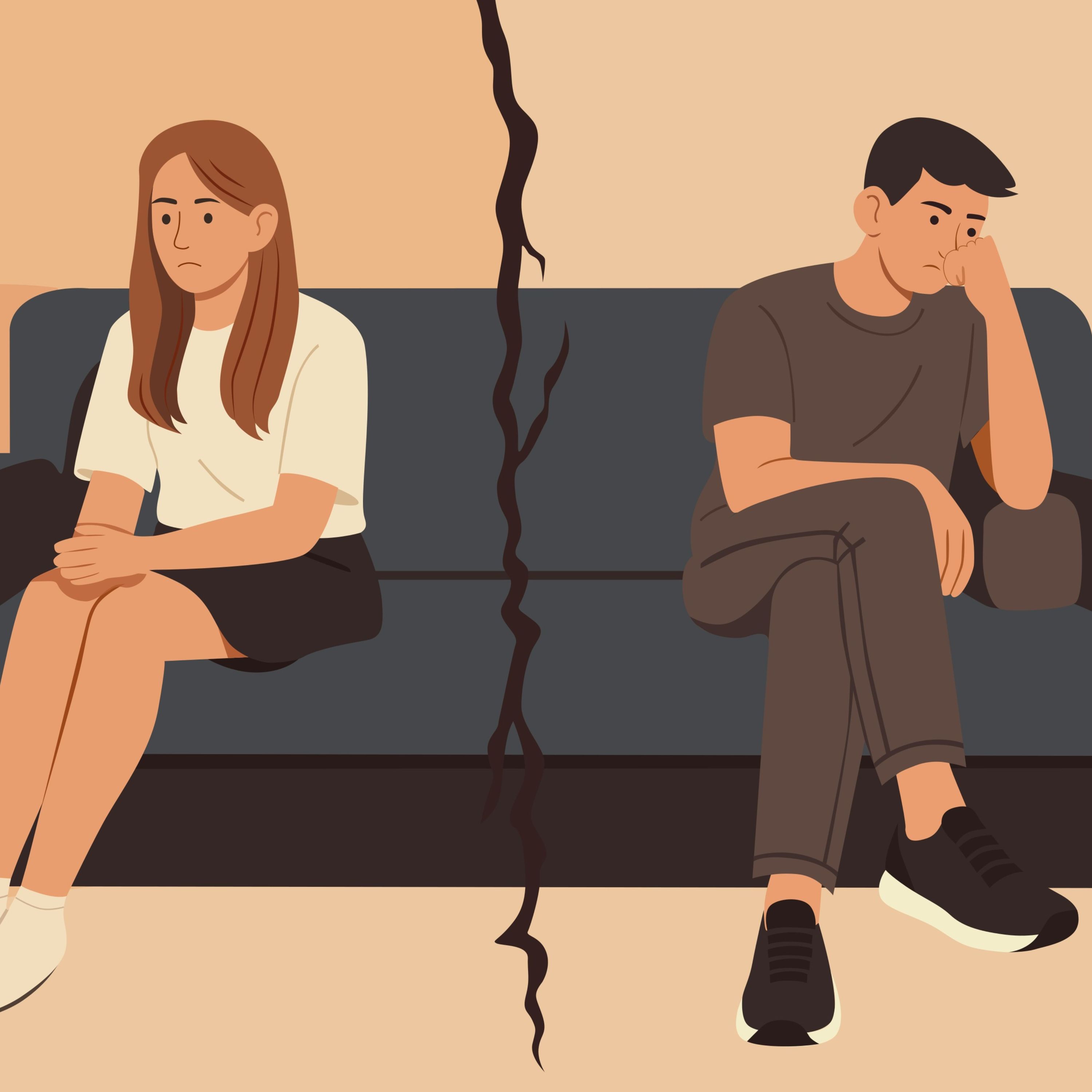
The hardest step in personal growth isn't overcoming external forces, but looking in the mirror and apologizing to yourself for your own poor choices. This act of self-confrontation and forgiveness is the necessary precursor to genuine change and self-correction.

To effectively move on from a relationship, it is crucial to form a coherent story about why it ended. It doesn't matter if the narrative blames the ex or focuses on personal growth; what matters is that it makes sense to you. This process provides closure, reduces chaotic feelings, and fosters optimism for the future.
You may not be at fault for a negative event, but you are always responsible for your response to it. Blaming others, even correctly, disempowers you. Taking radical responsibility for your reaction is the first step toward improving any situation.

Constantly feeling let down by people is a symptom of your own issues, not theirs. It often points to an inflated ego, deep-seated insecurity, and the tendency to place unrealistic expectations on others. The solution is internal reflection, not external blame.

The root cause of most relationship issues is not the other person, but your own inability to handle difficult emotions like stress, disappointment, or hurt. Instead of processing these feelings internally, you expel them onto your partner through blame, a harsh tone, or withdrawal. Healing begins with regulating your own emotional state.
An indicator of emotional maturity in a potential partner is how they discuss past relationships. A healed individual will acknowledge their own contributions to the relationship's failure, rather than solely blaming their ex. This demonstrates self-awareness and the capacity for growth, signaling a healthier partner.
