Get your free personalized podcast brief
We scan new podcasts and send you the top 5 insights daily.
An indicator of emotional maturity in a potential partner is how they discuss past relationships. A healed individual will acknowledge their own contributions to the relationship's failure, rather than solely blaming their ex. This demonstrates self-awareness and the capacity for growth, signaling a healthier partner.

Related Insights
Healing relational trauma requires vulnerability, yet traditional masculinity prizes emotional control. This creates a painful paradox for men, where the very act required for healing feels like it threatens their identity and risks emasculation in their partner's eyes, making avoidance feel safer.

Relationship satisfaction can be improved with small cognitive shifts called "love hacks." These involve changing one's internal narrative rather than external realities, such as adopting a "growth mindset" about compatibility or reinterpreting a partner's negative behavior more charitably (e.g., as situational rather than characterological).

Insisting a partner must change for you to be happy creates a state of "self-justifying passivity." You become trapped waiting for them, rather than reclaiming your power to improve the relationship by being the one who moves first towards understanding.
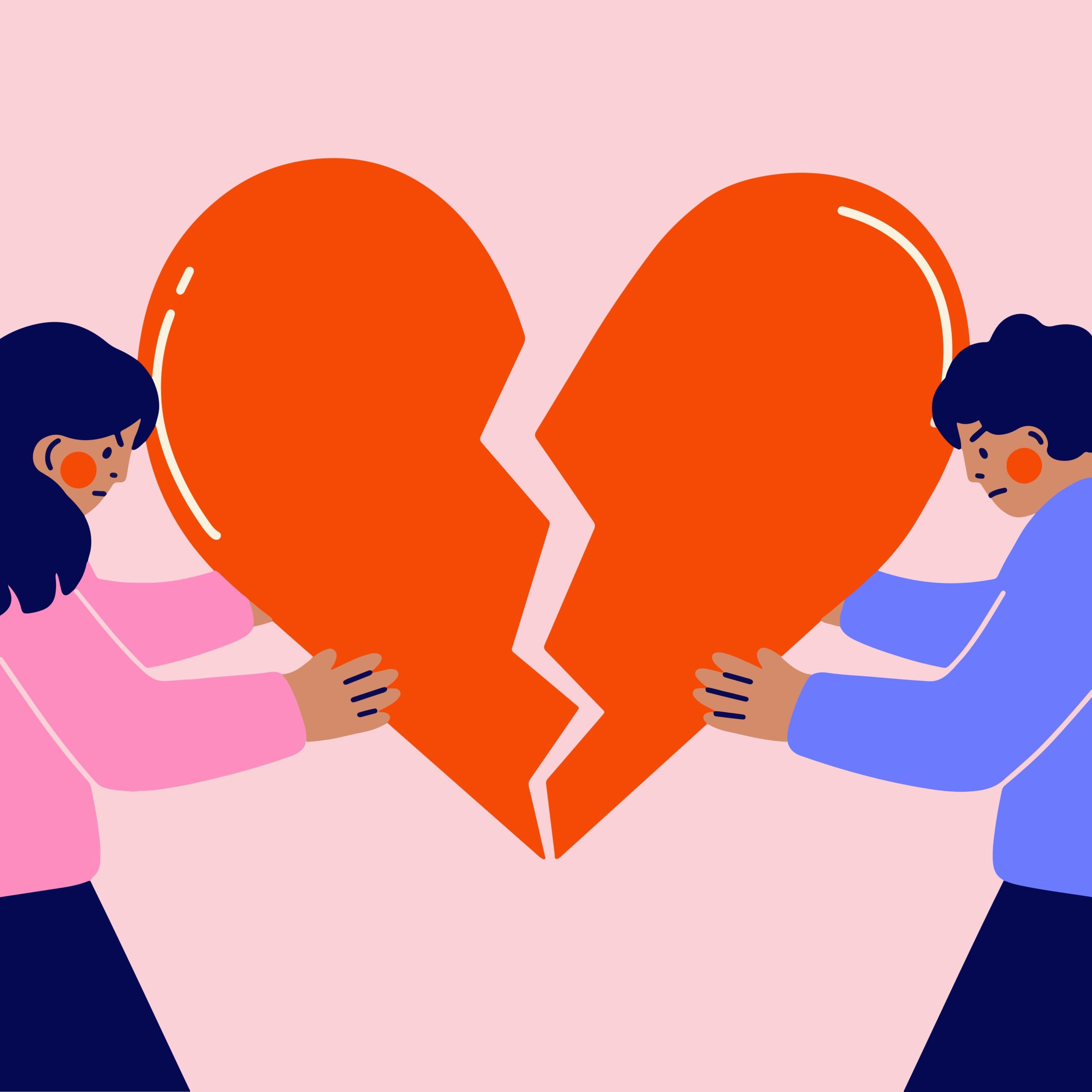
Psychologist James Cordova describes the "paradox of acceptance": the less you actively try to change your partner, the more willing they become to change. This requires genuine surrender, as feigning acceptance with the ulterior motive of instigating change is transparent and ineffective.

Resolving unfinished business after a relationship ends is a personal task. Imaginary dialogues can be more effective for emotional processing than real conversations with the other person, who may be unavailable or unwilling. Closure comes from within, not from external validation.
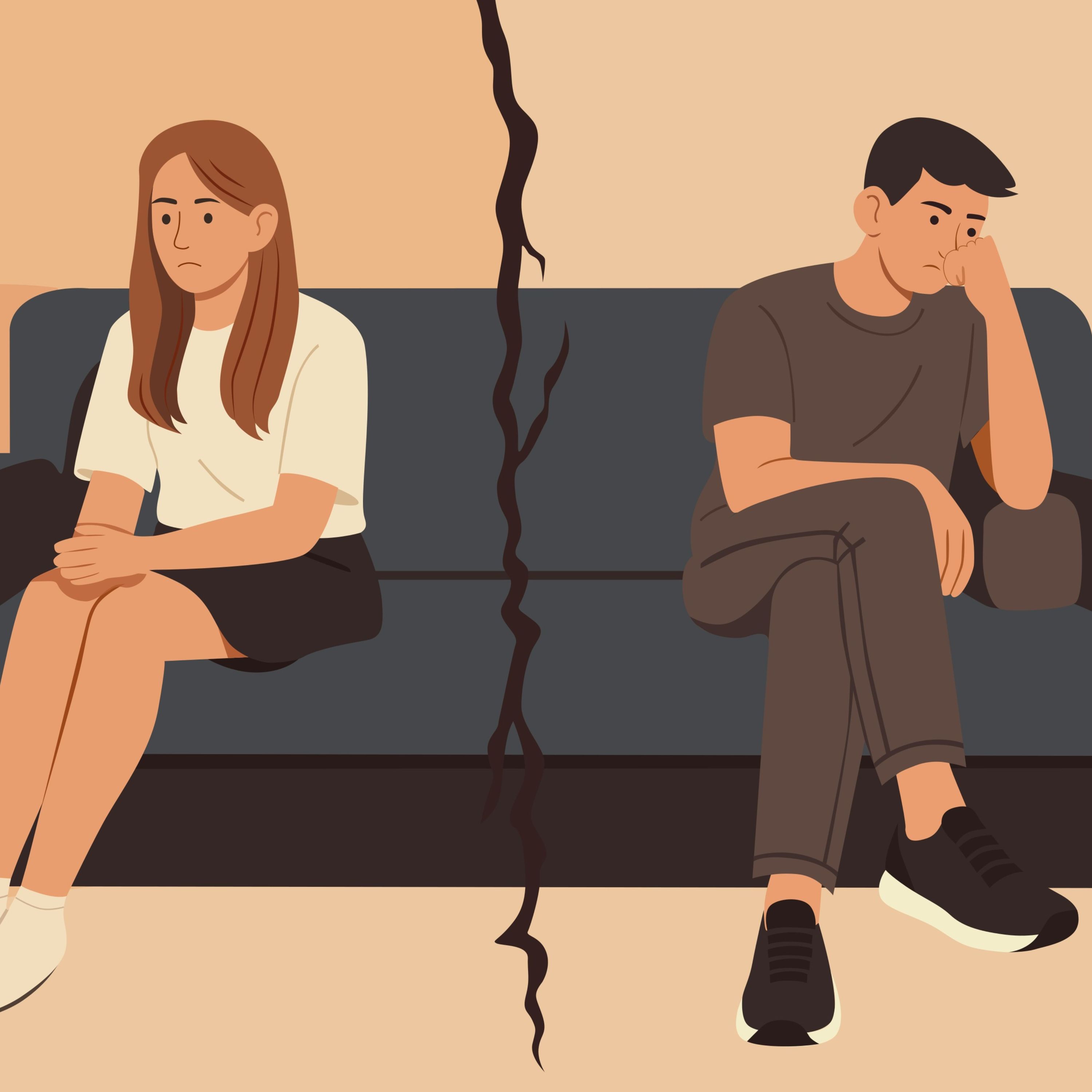
What appears as outward aggression, blame, or anger is often a defensive mechanism. These "bodyguards" emerge to protect a person's inner vulnerability when they feel hurt. To resolve conflict, one must learn to speak past the bodyguards to the underlying pain.
Contrary to the popular idea that you must fully "know yourself" before a relationship, the real prerequisite is establishing self-worth and understanding how you deserve to be treated. True self-discovery about your wants and needs often happens *within* relationships, not before them.

Relationships don't start in earnest until the initial fantasy shatters. This 'crisis of disappointment' happens when partners see each other realistically for the first time, flaws and all. Only after this moment can a genuine connection be built on who the person actually is, rather than on an idealized projection.

Conflict avoidance is not a sign of a healthy relationship. True intimacy is built through cycles of 'rupture and repair,' where disagreements are used as opportunities for deeper understanding. A relationship without conflict may be fragile, as its ability to repair has never been tested.
Couples in conflict often appear to be poor communicators. However, studies show these same individuals communicate effectively with strangers. The issue isn't a skill deficit, but a toxic emotional environment within the relationship that inhibits their willingness to collaborate.